
Quick answer: Raising coturnix quail takes a predator-proof enclosure with about 1 square foot per adult bird, a ceiling that is either very low or very tall, a complete game bird feed (about 24–28% protein for chicks, roughly 20% for layers), clean water, and 14–16 hours of light. Hens usually start laying at 6–8 weeks.
Raising coturnix quail is one of the fastest ways to get eggs or meat from a small backyard. These birds go from egg to laying hen in about two months, the hens are quiet, and a whole flock fits where two or three chickens would. They are not “small chickens,” though. Coturnix need more protein, a different kind of housing, and closer attention in the first weeks. This guide walks through everything a beginner needs to decide, buy and do, in the order you will actually need it.
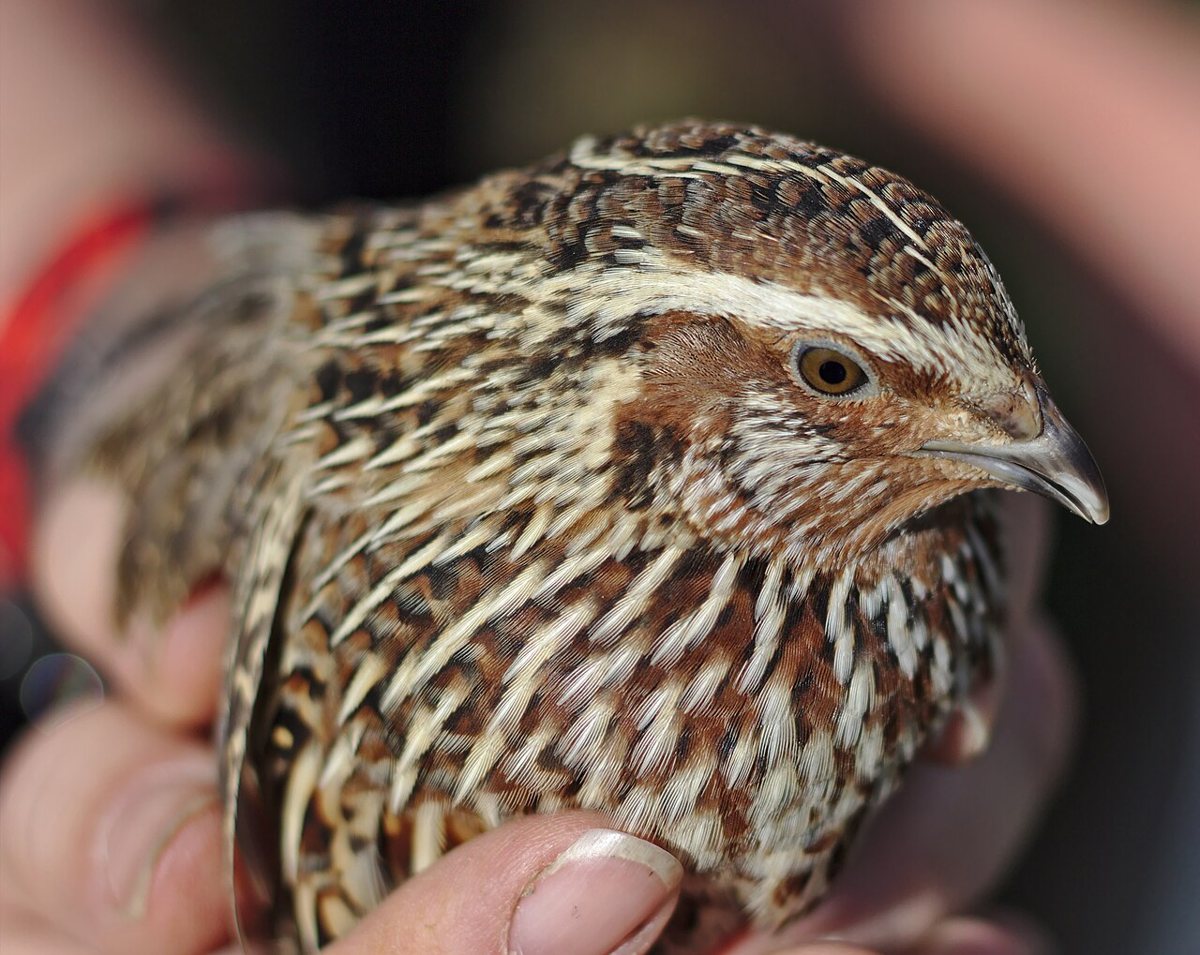

What coturnix quail are (and what they are not)
Coturnix quail, also sold as Japanese quail (Coturnix japonica), are an Old World species that has been domesticated for centuries for eggs and meat. Every color you see for sale (pharaoh, Italian, Tibetan, celadon, jumbo white and so on) is the same species. They are not the bobwhite or California quail you might see in American fields, and they are not suited to life in the wild. Virginia Cooperative Extension notes that domesticated coturnix will not survive if released, so releasing extra birds is never a kind option.
| Trait | Typical figure | Source |
|---|---|---|
| Adult weight | Males 100–140 g, females 120–160 g; jumbo lines 250–300 g | Cooperative Extension |
| Age at first egg | Mature around 6 weeks, laying by about 7 weeks (some hens as early as 35–40 days) | Cooperative Extension, Virginia Tech |
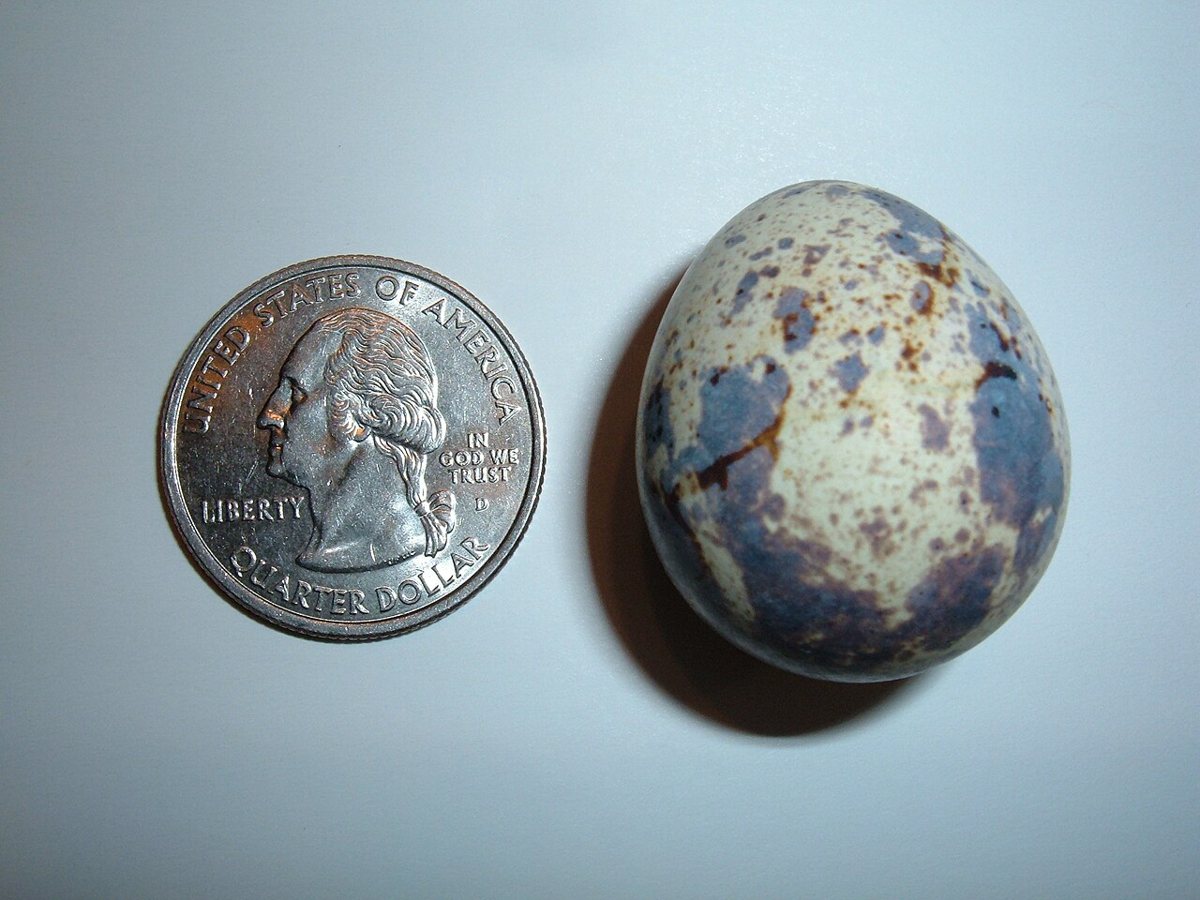
| Egg size | About 10 g; roughly 5 quail eggs equal 1 chicken egg | Cooperative Extension |
| Incubation | About 17 days in a forced-air incubator (often 17–18 at home) | Virginia Tech, Clemson table |
| Light needed to lay | 14–18 hours a day | Cooperative Extension |
| Productive laying | Lay economically for at least a year | Cooperative Extension |
| Noise | Hens chirp softly; males crow (shorter and quieter than a rooster, but noticeable) | Keeper consensus |
Is raising coturnix quail right for you?
Before you buy anything, be honest about the trade-offs. Most people who quit quail in the first year quit for one of the reasons in the right-hand column.
| Why people love them | What catches beginners off guard |
|---|---|
| Eggs at 6–8 weeks instead of 5–6 months | Chicks are tiny and fragile for the first two weeks |
| Small footprint; a hutch can hold a laying flock | Droppings are wet and turn to ammonia fast if housing is not cleaned |
| Hens are quiet; a hen-only flock rarely bothers neighbors | Males crow and can fight or scalp each other |
| Fast generations: hatch, raise and hatch again within about 3–4 months | Laying slows noticeably after the first year, so flocks need planned replacement |
| Good feed-to-egg return for a tiny bird | They cannot free-range like chickens; they fly up and away when startled |
One more thing to check first: local rules. Some cities treat quail as poultry with bird limits or permits, some HOAs ban all livestock, and some state wildlife agencies regulate game birds. Our guide to whether it is legal to keep quail where you live explains who to call and what to ask.
How many quail to start with
For most families, 6 to 12 hens is a sensible first flock. It is enough to see real egg numbers, small enough to keep clean, and forgiving if you lose a bird or two while learning.
- Eggs only: keep hens only. You do not need a male for eggs, and you avoid crowing and fighting.
- Fertile eggs for hatching: keepers commonly run 1 male for every 4–6 hens. Fewer hens per male means over-mated, feather-damaged hens.
- Quick egg math: because about five quail eggs equal one chicken egg, six hens in full lay give you roughly the equivalent of one chicken egg per day, sometimes a bit more.
Eggs, chicks or adults: three ways to start
| Start with | Best for | Upside | Downside |
|---|---|---|---|
| Hatching eggs | People who want the full experience or rare colors | Cheapest per bird, wide choice of varieties | Needs an incubator and brooder; shipped eggs often hatch at much lower rates than local eggs |
| Day-old chicks | Beginners with a brooder ready | Skip incubation; birds grow up used to you | The first 2 weeks are the highest-risk period |
| Adults (about 6 weeks or older) | Anyone who wants eggs right away | Eggs within days or weeks; sex is already obvious | Fewer sellers; buy only from clean, healthy flocks and quarantine |
If you go the hatching route, read our step-by-step guide on how to incubate quail eggs before you order. If you are buying chicks, set up the brooder first and follow the week-by-week plan in our quail chick care guide.
Step-by-step setup for adult quail
1. Housing
Adult coturnix need a dry, lidded, predator-proof space. Three rules matter more than the style of enclosure:
- Space: about 1 square foot per bird is the common beginner rule. Production keepers run tighter, but crowding is the fastest route to pecking and dirty birds.
- Ceiling: coturnix flush straight up when startled. Keep the ceiling low (roughly 8–12 inches) so they cannot build speed, or tall enough to walk into with a soft netting roof. The middle range is where head injuries happen.
- Wire: use ½-inch hardware cloth, not chicken wire, and close every gap. Quail are bite-sized for raccoons, rats, snakes, cats and hawks.
Cages, converted rabbit hutches, ground pens and walk-in aviaries all work if they meet those rules. Our quail housing guide compares each option with its pros, cons and cleaning load.
2. Feed and water
Feed is where beginners most often go wrong. Quail need far more protein than a chicken layer ration provides. Use a game bird or turkey starter for chicks, then a game bird or turkey breeder/layer ration once hens are close to laying. Offer crushed oyster shell on the side for laying hens, and keep water clean and full every day.
| Age | Feed | Protein | Notes |
|---|---|---|---|
| Hatch to about 6 weeks | Game bird or turkey starter (crumble, ground finer for the first days) | 24–26% (Alabama Extension spec); many hatcheries feed 27–30% | Shallow, drown-proof water |
| About 6 weeks to first egg | Starter/grower, then begin a breeder/layer ration about 2 weeks before laying | About 20% or a little higher | Switch gradually over a week |
| Laying hens | Game bird or turkey breeder/layer | 18–20% (spec) with about 2.5% calcium | Oyster shell free choice |
| Meat birds after 6 weeks | Finisher or continue grower | 17–19% (spec) | Short day length helps them fatten |
For brands, daily amounts, treats and foods to avoid, see our full guide to what quail eat.
3. Light
Laying is triggered by day length. Cooperative Extension guidance puts the requirement at 14 to 18 hours of light per day to keep coturnix laying. In summer, daylight alone does it. From fall through early spring, a timer and a low-wattage LED on a fixed schedule keeps eggs coming. Add the extra light in the morning so birds settle naturally at dusk. Birds you are raising only for meat, and males you are not breeding, do better on about 8 hours of light, which slows sexual maturity and the fighting that comes with it.
4. Dust bath, cover and calm
Quail dust-bathe to keep their feathers in good condition. A shallow tray of fine sand or play sand works. They also feel safer with somewhere to duck under, such as a low board, a clump of artificial grass or a small hide. Calm birds lay better, fight less and are far less likely to injure themselves flushing into the ceiling.
5. Biosecurity from day one
The CDC advises buying birds from hatcheries in the USDA National Poultry Improvement Plan (NPIP), keeping new birds separate for at least 30 days, and washing your hands after handling birds, eggs or equipment. Use dedicated shoes for the coop and keep young children from handling chicks. These habits protect both your family and your flock.
The coturnix life cycle on a calendar
| Age or day | What happens | Your job |
|---|---|---|
| Day 0 | Eggs go into the incubator | Incubator stable at 99.5°F (forced air) for 24 hours first |
| Day 14–15 | Lockdown | Stop turning, raise humidity, keep the lid shut |
| Day 17–18 | Hatch | Move dry chicks to a brooder at about 95°F |
| Weeks 1–2 | Fastest growth, highest risk | Heat, drown-proof water, fine starter, non-slip floor |
| Weeks 3–4 | Feathering out; color-sexing possible in many varieties | Lower heat about 5°F per week, add space, keep the lid on |
| Weeks 4–6 | Off heat once fully feathered | Move to adult housing; separate extra males |
| Weeks 6–8 | First eggs; males start crowing | Switch hens to layer feed, add oyster shell and light |
| About 6–8 weeks | Typical processing age for meat birds (commercial meat quail are often marketed at 5–6 weeks) | Process extra males before fighting starts |
| 12+ months | Laying slows | Plan your next hatch so replacements are laying in time |
How long the birds themselves live depends a lot on how they are kept. Our guide to quail lifespan in captivity covers what keepers typically see and why laying hens often live shorter lives than pets.
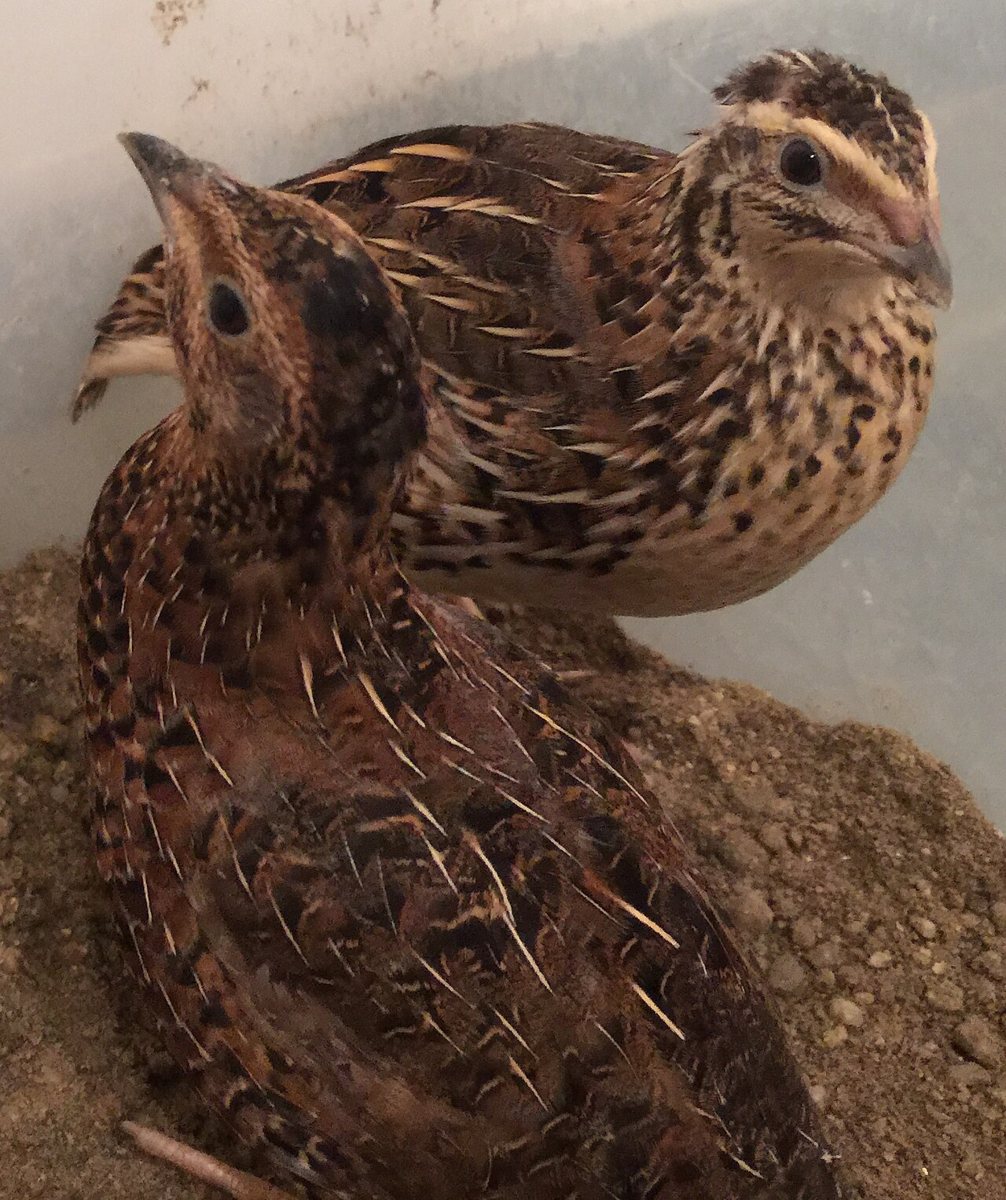

Telling males from females
In standard (pharaoh-type) coturnix, Extension describes the female as light tan on the throat and upper breast with black stippling, and the male as rusty brown on the throat and breast. Mature males also have a foam gland above the vent that produces white foam. Keepers can often sort standard-colored birds by breast feathers at around 3–4 weeks, and the difference is clear by 5–6 weeks. White, tuxedo and some other varieties cannot be color-sexed, so you wait for crowing or vent-sex them. Our coturnix male vs female guide shows each method.
Daily, weekly and monthly care
| How often | Task | Why it matters |
|---|---|---|
| Daily | Check feed and water, collect eggs, count birds, look for anyone hunched or fluffed up | Quail go downhill fast; empty feeders or water can trigger fighting |
| Daily or every other day | Empty droppings trays or spot-clean wet bedding | Keeps ammonia and flies down |
| Weekly | Handle a few birds: feet, vents, eyes, feathers; scrub waterers | Catches bumblefoot, pecking and mites early |
| Monthly | Full clean, check wire, latches and the ground around pens for digging | Predators look for the one weak spot |
| Seasonally | Adjust shade, wind protection and lighting timer | Heat and short days are the two biggest causes of summer and winter problems |
What it costs
The biggest costs are up front: housing, an incubator or brooder setup, feeders and waterers. After that, feed is the main running cost, and a small flock of 10 adults eats roughly 16–20 pounds of feed a month based on the 25–30 grams per bird per day that feeding studies report. Prices vary widely by region and by how much you build yourself, so we keep current numbers in a separate cost to raise quail breakdown.
Troubleshooting common beginner problems
| Problem | Most likely cause | What to try first |
|---|---|---|
| Hens are 8+ weeks old and not laying | Short days, low-protein feed, recent move or stress | Give 14–16 hours of light, switch to a game bird layer ration, give them 2 calm weeks |
| Bloody heads or scalped birds | Too many males, crowding, or head strikes on a hard ceiling | Remove extra males, add space and cover, lower the ceiling or add soft netting |
| Strong ammonia smell | Wet droppings building up, poor airflow | Clean trays more often, dry the bedding, improve ventilation above bird height |
| Thin or soft eggshells | Not enough calcium | Offer oyster shell free choice and use a layer/breeder ration |
| Feather loss on hens’ backs | Over-mating | Keep at least 4–6 hens per male, or remove the male |
| Chicks drowning or chilled | Open water dish, brooder too cool | Marbles or pebbles in the water tray; 95°F at chick level in week one |
Not veterinary advice: This guide is general husbandry information. If several birds are sick or dying, contact a veterinarian who treats poultry or your state animal diagnostic lab.

Frequently asked questions
Can quail survive winter?
Fully feathered coturnix generally handle cold well if they are dry, out of the wind and have deep bedding and unfrozen water. Keepers in cold states often wrap two or three sides of the hutch in winter. Expect laying to slow unless you add light to reach 14–16 hours a day.
How long do coturnix quail live?
Keepers commonly report 2–3 years for backyard coturnix, and well-kept pets can live longer. The AnAge database lists about 6 years for captive Japanese quail, which is the long end. Egg production is strongest in the first year.
Can you raise coturnix quail outside?
Yes. Fully feathered adults do well outdoors in most of the US if they are dry, out of the wind, shaded in summer and fully protected from predators. Chicks need indoor heat until they are feathered at about 4–6 weeks.
How many quail should I start with?
Start with 6–12 hens for eggs. Add one male per 4–6 hens only if you want fertile eggs to hatch.
How long do quail lay eggs?
Cooperative Extension says Japanese quail keep laying economically for at least a year. Many hens keep laying into their second year at a lower rate, and laying slows or stops in short winter days without added light.
Can quail live with chickens?
It is usually not a good idea. Chickens can trample and bully quail, the two species need different feeds, and mixing species raises disease risk. Most keepers house them separately, even if they share a yard.
Sources
- Jacob, J. and McCrea, B. Raising Japanese Quail in Small and Backyard Flocks. Cooperative Extension (University of Kentucky, Delaware State University).
- Alabama Cooperative Extension System. Feeding Game Birds: Pheasant, Quail, and Partridge (ANR-1343).
- Virginia Cooperative Extension. Beginning of Life, Publication 408-029 (incubation table and “Raising Coturnix Quail in the Classroom”).
- Centers for Disease Control and Prevention. Backyard Poultry: Healthy Pets, Healthy People.
- ICAR-Central Coastal Agricultural Research Institute. Japanese quail: feed consumption and management.
- Animal Diversity Web, University of Michigan. Coturnix japonica (Japanese quail) (AnAge longevity data).
- Cooperative Extension. Predator Management for Small and Backyard Poultry Flocks.