
Quick answer: The quail diseases backyard keepers meet most are coccidiosis, ulcerative enteritis (“quail disease”) and respiratory infections, including quail bronchitis in young birds. Watch for fluffed feathers, hunched posture, watery or bloody droppings, eye or nose discharge and sudden deaths. Very few medicines are approved for quail, so get a diagnosis from a poultry vet or your state diagnostic lab before treating. Dry litter, clean water, NPIP-sourced birds and a 30-day quarantine prevent most problems.
Quail diseases can move fast. A coturnix that looked fine at breakfast can be dead by evening, and a small flock has little room for error. The good news is that Cooperative Extension describes Japanese quail as fairly disease resistant, and most losses in backyard flocks trace back to a short list of causes: wet litter, dirty water, crowding, mixing ages or species, and bringing in new birds without quarantine. This guide covers how to spot a sick quail early, the common diseases and what they look like, what you can do the same day, and when to call for help.
Not veterinary advice: This guide is general information for backyard keepers. If birds are sick or dying, contact a veterinarian who treats poultry or your state animal diagnostic laboratory. Report sudden, unexplained deaths, especially several at once, to your state veterinarian or USDA at 1-866-536-7593.

How to tell if a quail is sick
Quail are prey birds and hide illness well. The CDC lists the signs to watch for in backyard poultry, and they apply to quail:
- Eating or drinking less than normal
- Ruffled or fluffed feathers
- Runny diarrhea
- Discharge from the eyes or nose, or difficulty breathing
- Fewer eggs than normal, or discolored, irregular or misshapen eggs
- Unexpected death with no obvious cause
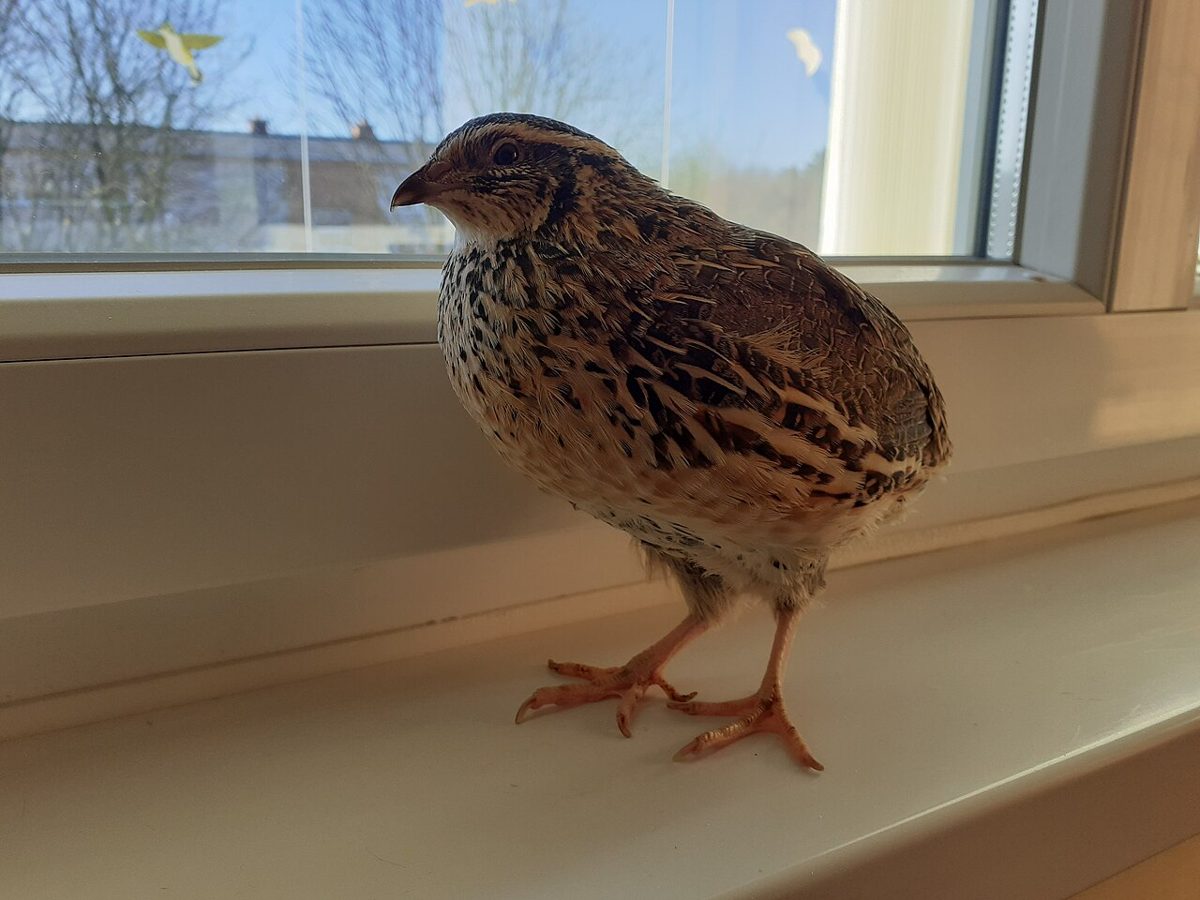
Add a few quail-specific checks. A healthy coturnix is alert, moves away when you reach in, and keeps its feathers smooth. A sick one often stands hunched with its eyes half closed, sits apart, or stays put when the others scatter. Look under the cage or on the litter too; a sudden change in droppings is often the first clue.
Common quail diseases at a glance
| Problem | Cause | Main signs | Who is hit hardest | First steps |
|---|---|---|---|---|
| Ulcerative enteritis (“quail disease”) | Bacterium Clostridium colinum | Watery to bloody diarrhea, lethargy, poor appetite, sudden death | Young quail | Remove sick and dead birds, clean waterers, get a diagnosis fast |
| Coccidiosis | Eimeria parasites (in quail, E. uzura and E. tsunodai) | Hunched, fluffed birds; watery or bloody droppings; weight loss | Chicks and young birds on litter | Dry the litter; vet-guided amprolium |
| Quail bronchitis | Avian adenovirus | Sudden rise in deaths, coughing, sneezing, rattly breathing, eye and nose discharge | Quail under about 2 months | Raise brooder heat 3–5°F, stop crowding, isolate; no specific treatment |
| Brooder pneumonia (aspergillosis) | Aspergillus mold | Breathing problems in young birds; needs a diagnosis | Chicks on moldy litter or feed | Remove moldy litter and feed; vet diagnosis |
| Avian influenza | Influenza A virus | Sudden deaths and general signs of illness | All poultry | Report sick or dying birds to the state vet or USDA |
Sources for this table: Merck Veterinary Manual (ulcerative enteritis, quail bronchitis), ICAR-CCARI quail health notes (coccidia species, brooder pneumonia), and USDA APHIS (avian influenza reporting).
Ulcerative enteritis (“quail disease”)
The Merck Veterinary Manual describes ulcerative enteritis as a disease caused by Clostridium colinum that affects mainly young quail. Signs include watery to hemorrhagic diarrhea, lethargy, loss of appetite and sudden death, and in bobwhite quail an acute case can kill birds before any signs show. Merck notes the signs look a lot like coccidiosis: hunched backs, ruffled feathers, and watery white or bloody droppings. That overlap is why a lab diagnosis matters; a final diagnosis needs bacterial culture or PCR.
Merck lists streptomycin as an effective treatment and bacitracin in feed as a preventive, both of which should go through a veterinarian. Prevention is where backyard keepers have the most control. Merck’s list includes:
- Prevent coccidiosis and avoid high stocking density.
- Avoid bringing new birds into an existing flock.
- Use cages for breeders, because the bacteria spread through droppings.
- Remove sick and dead birds immediately.
- Clean thoroughly between groups and control pests.
- Periodically clean water lines and drinkers to remove mineral and biofilm buildup.
Coccidiosis
Coccidiosis is caused by Eimeria parasites picked up from droppings. ICAR’s quail guidance says quail resist some coccidia strains that affect chickens but are susceptible to Eimeria uzura and E. tsunodai, and that amprolium has been effective for treatment and prevention when quail are raised on deep litter. In practice, outbreaks follow wet litter, spilled water and crowding, especially in brooders.
What to do: change wet bedding the same day, move or raise waterers so they stop soaking the floor, and talk to a vet about an amprolium product and dose. Follow the label and any egg or meat withdrawal time. Medicated game bird starter, often containing amprolium, is a common preventive; our guide to what quail eat explains how to read the feed tag. We cover prevention in more detail in coccidiosis in quail.
Respiratory disease and quail bronchitis
According to the Merck Veterinary Manual, quail bronchitis is a highly contagious avian adenovirus infection that mainly hits quail under two months old. The first sign is often a sudden increase in deaths. Sick birds eat less, ruffle their feathers, droop their wings and huddle under the heat, with coughing, sneezing, rattling breath and eye or nose discharge. Merck reports mortality of up to 80% in birds under two weeks old, usually under 25% in birds older than four weeks.
There is no specific treatment. Merck suggests raising the brooder temperature by 3–5°F, preventing overcrowding, keeping young birds away from older birds and other species, and strict sanitation. Chickens can carry the virus without showing signs, which is one more reason not to house quail with chickens. Recovered birds have long-lasting immunity, and Merck advises a 30-day quarantine before bringing in new birds after an outbreak.
Not every wheeze is infectious. Ammonia from damp, dirty bedding and dusty, stale air irritate the airways and open the door to infection. Our quail housing guide covers ventilation without drafts.

Injuries, pecking and other everyday problems
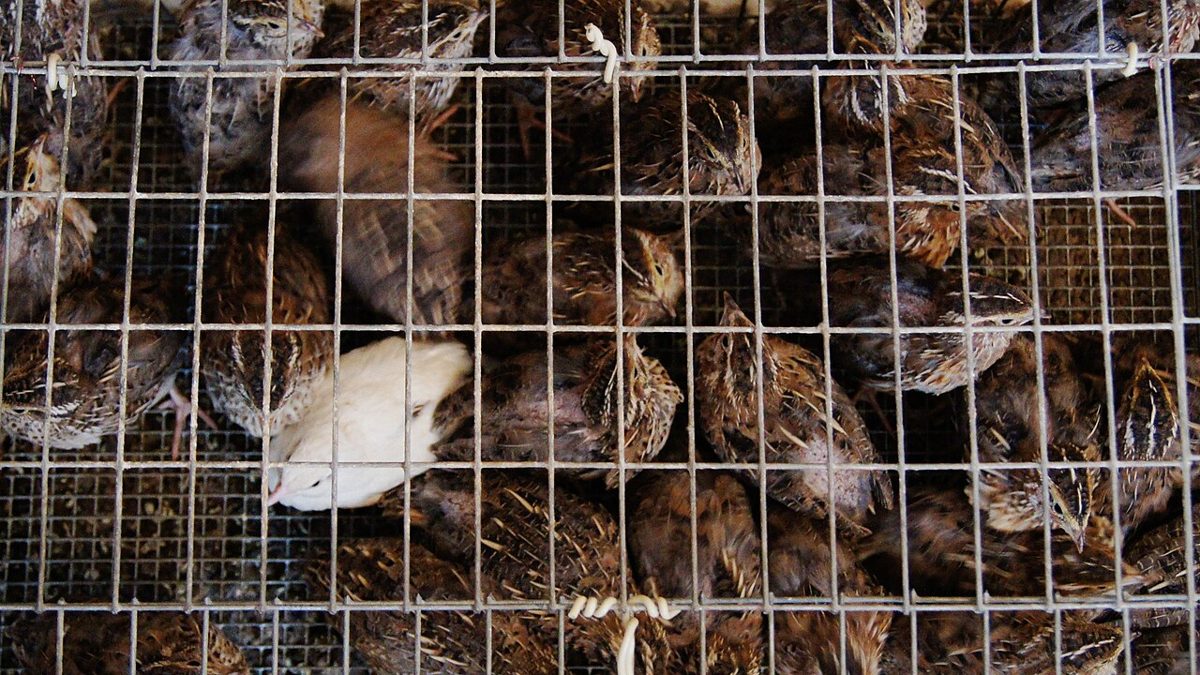
Many “sick” quail are actually injured or stressed. Scalped heads from birds flushing into a hard ceiling, pecked backs from crowding or too many males, and leg problems in chicks on slick floors are all common. Our guides to quail scalping and why quail lose feathers cover the first two. Laying hens can also become egg bound, which needs quick attention. Texas A&M AgriLife Extension lists the standard fixes for pecking and cannibalism: lower or red light, more floor space, better ventilation, an anti-peck product on wounds, and foliage or leafy hay to keep birds busy. Separate any bird with an open wound until it heals, because quail will keep pecking at red skin.
Heat is the other big seasonal killer. Panting, wings held away from the body and lethargy on a hot afternoon call for shade, airflow and cool water right away; our year-round quail care calendar covers summer and winter risks.
What to do when a quail gets sick
- Separate the bird. Move it to a clean, warm, quiet hospital box with its own feed and water. Texas A&M advises isolating sick birds and removing dead birds immediately.
- Look and note. Write down age, signs, droppings, how many birds are affected and when it started.
- Check the basics. Is the water clean and flowing? Is the litter wet? Is the feed fresh, dry and the right type? Is the pen too hot, too cold or crowded?
- Get a diagnosis before medicating. Texas A&M recommends a veterinary diagnosis before treating. If a bird dies, keep the body cool and call your state animal diagnostic laboratory or a poultry vet right away to ask how to submit it for a necropsy. Extension’s biosecurity guidance also recommends submitting sick or dead birds to a diagnostic lab.
- Treat only with guidance. Extension notes that very few medications are approved for quail in the US. Work with a vet, use the dose they give you, and observe egg and meat withdrawal times.
- Report sudden deaths. If several birds die suddenly, or you suspect avian influenza, call your state veterinarian or USDA at 1-866-536-7593.
- Clean up afterward. Remove litter, scrub and disinfect cages, feeders and waterers, and let the space dry before restocking.
When several birds are dying at once, our troubleshooting guide why are my quail dying? walks through likely causes by age.
Prevention: the biosecurity that actually matters
Extension’s bobwhite guide is blunt: because the US quail industry is small, very few medications are approved for quail, so biosecurity and sanitation are the core of any health program. For a backyard flock that means:
- Buy from NPIP hatcheries. The CDC and Extension both point to hatcheries in the USDA National Poultry Improvement Plan.
- Quarantine new birds. Extension recommends at least two weeks; the CDC recommends at least 30 days. We use 30 days. Care for your existing flock first and the new birds last. Our quarantine guide has a simple setup.
- Do not mix ages or species. Keep chicks away from adults, and keep quail apart from chickens and wild birds.
- Keep litter dry and water clean. Scrub drinkers often and fix leaks the same day.
- Control rodents, flies and wild birds. Clean up spilled feed and screen openings.
- Limit visitors. Extension advises that anyone visiting your flock should not have been around other birds in the past 24 hours.
- Rest the pen between groups. Extension suggests two weeks of downtime for cleaning, disinfecting and drying.
The same habits protect your family. The CDC notes that healthy-looking poultry can carry Salmonella and other germs, so wash your hands after handling birds, eggs or equipment, and keep young children from handling birds. Our raising coturnix quail guide and quail chick care guide build these habits into daily care.
Daily two-minute health check
| Check | Healthy | Worth a closer look |
|---|---|---|
| Activity | Alert, moving, scatter when you approach | Hunched, sitting apart, eyes half shut |
| Feathers | Smooth, clean | Fluffed, wet, pulled, bloody spots |
| Droppings | Firm, brown with white cap, occasional cecal dropping | Very watery, white, green, bloody |
| Breathing | Quiet, beak closed | Gasping, wheezing, sneezing, discharge |
| Eating and drinking | Eager at feeders | Ignoring food, crop empty |
| Eggs | Normal count and shells | Sudden drop, thin or misshapen shells |
Frequently asked questions
What is the most common disease in quail?
Coccidiosis and ulcerative enteritis are two of the most common problems in young quail, and their signs overlap. Respiratory disease is the other major group. A diagnosis from a vet or lab tells you which you are dealing with.
Can I treat sick quail myself?
You can do supportive care: isolation, warmth, clean water and dry bedding. Medicines are different. Very few are approved for quail, so get a diagnosis and dosing from a veterinarian and follow withdrawal times for eggs and meat.
Can people catch diseases from quail?
Yes, some. The CDC lists Salmonella, Campylobacter, E. coli and bird flu among the germs backyard poultry can spread. Wash your hands after contact and keep birds out of the house.
Can quail live with chickens?
It is not recommended. Chickens can carry quail bronchitis virus without signs, and mixing species raises disease risk in general.
How long should I quarantine new quail?
At least 30 days, following CDC guidance. Extension’s minimum is two weeks, but the longer period catches more problems.
Sources
- Merck Veterinary Manual. Ulcerative Enteritis in Poultry.
- Reed, W. M. Quail Bronchitis. Merck Veterinary Manual, reviewed February 2026.
- ICAR-Central Coastal Agricultural Research Institute. Japanese quail: health cover.
- Jacob, J. Raising Bobwhite Quail: Small and Backyard Flock. Cooperative Extension.
- Jacob, J. Biosecurity for Small Poultry Flocks. Cooperative Extension.
- Jacob, J. and McCrea, B. Raising Japanese Quail in Small and Backyard Flocks. Cooperative Extension.
- Thornberry, F. D. Producing Quail for Home Consumption (L-5215). Texas A&M AgriLife Extension.
- Centers for Disease Control and Prevention. Backyard Poultry: Healthy Pets, Healthy People.
- USDA Animal and Plant Health Inspection Service. Defend the Flock.