
Quick answer: Coturnix quail behavior is driven by day length and hormones. Birds mature at about 6 weeks; males then crow, mate often and may fight, while hens lay but rarely go broody. For breeding, research supports 1 male to 2–3 hens (many keepers stretch to 1:4–5), 14–18 hours of light, and breeders under about 8 months old for best fertility. Short days (about 8 hours) calm males you are not breeding.
Coturnix quail behavior surprises a lot of new keepers. The chicks are quiet, then around six weeks the pen changes: males start crowing, chasing hens, and sometimes scalping each other. Hens lay eggs anywhere but almost never sit on them. Once you know what is normal and what is a warning sign, almost every behavior problem has a simple fix. This guide covers daily behavior, telling males from females, mating and breeding, aggression, and handling.
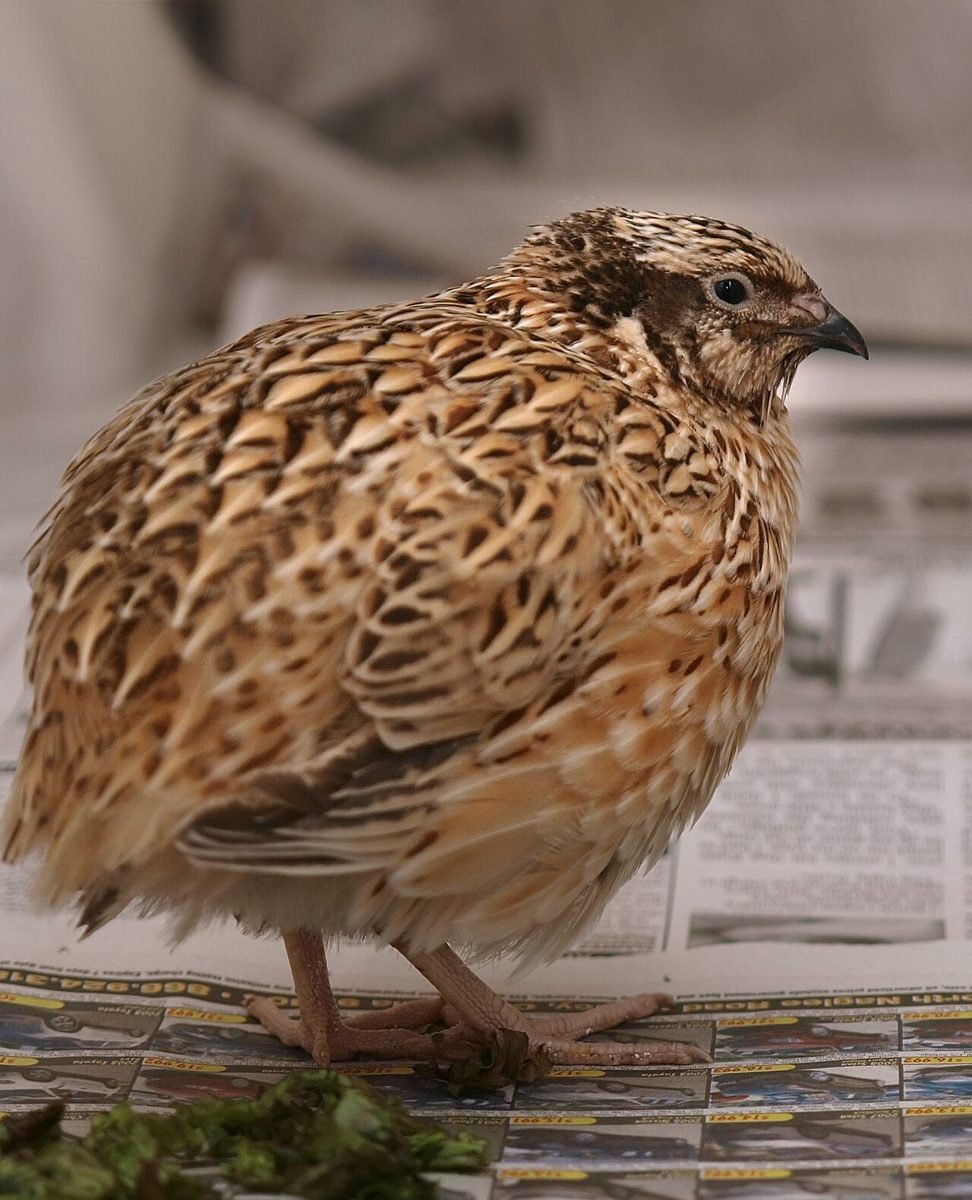

Where coturnix behavior comes from
The domestic coturnix is the Japanese quail (Coturnix japonica). Animal Diversity Web (University of Michigan) describes wild birds living in grassy fields, riverbanks and rice fields, migrating hundreds of kilometers, and laying about one egg a day during a summer breeding season. Domestic birds have been bred for centuries for eggs and meat, but the wild wiring is still there: they are ground birds that freeze or flush straight up when scared, they love to scratch and dust-bathe, and their breeding behavior switches on with long days.
If you want the science, the review by Mills and colleagues (1997) in Neuroscience and Biobehavioral Reviews covers quail feeding, dust bathing, photoperiod, courtship, mating and aggression in detail.
Normal behavior and what it means
| Behavior | What it usually means | What to do |
|---|---|---|
| Dust bathing in sand or dry litter | Feather care; a sign of a comfortable bird | Give a shallow sand tray |
| Flushing straight up when startled | Normal escape reflex | Use a very low or a tall, soft ceiling; move slowly |
| Eggs laid anywhere, often in litter | Normal; coturnix rarely build nests | Collect daily; sloped floors keep eggs clean |
| Male crowing | Sexual maturity; advertising to hens | Expected; keep only the males you need |
| Male grabbing a hen’s neck feathers and mounting | Normal mating | Watch hens’ backs for bald or raw patches |
| Constant chasing, bloody heads or backs | Too many males, crowding, too much light | Remove extra males, add space, adjust light |
| Hunched, fluffed, sitting apart | Often illness, not behavior | Isolate and check our quail health guide |
Extension notes that quail kept in community pens do not build nests and instead hide eggs in the litter. Our quail housing guide shows cage and pen layouts that cut head injuries and dirty eggs.
Telling males from females
Japanese quail reach sexual maturity at about six weeks, according to Cooperative Extension. Tamil Nadu Agricultural University reports that wild-colored birds can be sorted by appearance at about 4–5 weeks.
| Method | Male | Female | Works for |
|---|---|---|---|
| Breast feathers | Even rusty-brown throat and breast | Light tan breast with black speckles | Pharaoh and other wild-pattern colors, from about 4–5 weeks |
| Foam gland | Bulb at the upper edge of the vent that makes white foam | No bulb, no foam | All colors, once mature |
| Voice | Loud, repeated crow | Quieter calls | All colors, after about 6 weeks |
| Eggs | Never | Lays from about 7 weeks | All colors |
Extension explains that the mature male’s cloacal gland secretes a white foamy substance that is passed to the hen during mating and may help sperm move. NSW Department of Primary Industries adds that the gland can be used to judge a male’s reproductive fitness: a big, foamy gland means an active male. White, tuxedo and other non-pattern colors cannot be sexed by feathers; see coturnix quail breeds for which colors can. For photos and a step-by-step vent check, see our coturnix male vs female guide.
Crowing and other calls
Animal Diversity Web cites studies of captive quail that recognized seven distinct displays and calls in males, three of which females also use. The male’s call is typically three notes. The hen has a “long” call that signals to the male that she is receptive. Males also perform courtship feeding: holding a small worm in the beak and making a soft croaking call until the hen comes to take it, then trying to mate.
Male crowing is short but loud. If neighbors are close, keep fewer males or none; hens lay without a male. Hens are much quieter.
Mating behavior
Mating is quick and frequent. A male grabs the feathers on the back of the hen’s head or neck, mounts for a few seconds, and moves on. Some feather wear on hens’ heads and backs is normal in a breeding pen. Bald patches, scabs or blood are not; they mean the ratio is off, a particular male is too rough, or the pen is too small.
Light drives all of this. NSW DPI says Japanese quail need 14–18 hours of light a day for maximum egg production and fertility. On the other side, Extension and NSW DPI both recommend only about 8 hours of light for males not kept for breeding and for meat birds, because that is not enough to trigger sexual maturity, so the birds do not waste energy fighting and mating.
Setting up a breeding group
- Pick breeders. Choose active, well-feathered birds with sound legs and good size. NSW DPI warns that inbreeding increases abnormalities and lowers reproduction, so avoid mating close relatives if you plan to keep hatching.
- Set the ratio. NSW DPI says research shows one male with two or three hens generally gives high fertility, and that one male to three hens in colony pens is enough and reduces fighting between males. Tamil Nadu Agricultural University reports good fertility at 1:2. Many backyard keepers run 1:4 or 1:5 to keep fewer males; if you do, expect some infertile eggs and watch hens’ backs. We compare ratios in quail breeding ratio.
- Light and feed. Give 14–18 hours of light and a breeder or layer game bird ration with oyster shell on the side.
- Wait a few days. Tamil Nadu Agricultural University reports that fertile eggs can be collected from about the fourth day after a male is introduced to hens. Many keepers wait a week to be safe.
- Collect and store. Collect several times a day, store hatching eggs at about 59°F (15°C), unwashed, and set them within a week (NSW DPI).
- Incubate. Hens rarely go broody, so plan on an incubator. Our guide to how to incubate quail eggs covers settings and lockdown, and our quail eggs guide covers eating eggs from the same flock. For exact settings, see our quail egg incubation temperature and humidity chart.
Breeding age and fertility over time
Tamil Nadu Agricultural University reports optimum fertility when breeders are 8 months old or younger, and that hatchability drops quickly when eggs come from older hens, an effect it did not see with older males. NSW DPI also notes that fertility decreases markedly in older birds. In practice, many keepers hatch a fresh generation of breeders every 6–12 months.
Do coturnix go broody?
Rarely. NSW DPI states that Japanese quail hens rarely go broody, and suggests a broody bantam hen as an alternative to an incubator if you want natural incubation. Do not count on a quail hen to hatch her own eggs.

Aggression, fighting and pecking
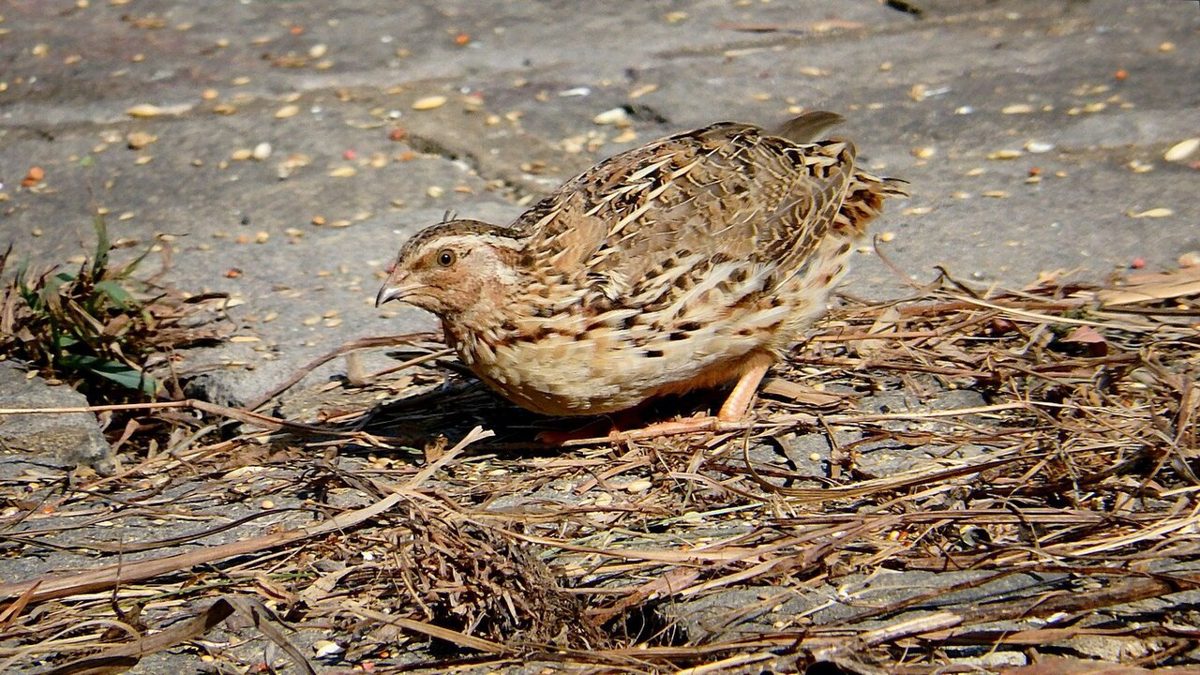
Most fighting in a backyard pen comes from three things: too many males, too little space and too much light for birds that are not breeding. NSW DPI also describes Japanese quail as territorial birds that defend their space against intruders.
- Cut extra males. Keep only the males you need for fertile eggs. A bachelor pen of males sometimes works on short days, but expect scuffles.
- Give space and cover. Visual barriers, a low hide or a clump of grass let bullied birds get out of sight.
- Adjust light. Long days for laying and breeding groups; about 8 hours for meat birds and spare males.
- Stop feather pecking early. Texas A&M AgriLife Extension and NSW DPI recommend lower light intensity, more space, better ventilation and something to peck at, such as leafy hay. Separate any bird with an open wound.
If one male keeps drawing blood, remove him. Our guide to why quail fight covers persistent aggression.
Introducing new quail
NSW DPI’s advice is simple: avoid adding new birds to an established group’s territory. If you must combine two groups, put them together in a cage or pen that is new to both. From a health point of view, quarantine newcomers for 30 days first (CDC). NSW DPI also notes that moving laying hens to new quarters can pause egg production for 2–3 weeks, so plan moves for when you can live without eggs.
Handling and taming
NSW DPI warns that quail are easily startled, struggle hard when caught, and can be killed by rough handling. Approach slowly, cup the bird with both hands around its wings, and hold it against your body. Avoid sudden noises around the pen. Birds you hatch and handle gently every day from the first week usually become calmer adults than birds bought as grown stock.
Troubleshooting behavior problems
| What you see | Likely cause | Try this |
|---|---|---|
| Bald or bloody hens’ backs | Over-mating; too few hens per male | Add hens or remove a male; separate injured hens |
| Head injuries after a scare | Flushing into a hard ceiling | Lower or soften the ceiling; add cover |
| Lots of infertile eggs | No male, old breeders, short days, rough ratio | Check the male’s foam gland; 14–18 hours of light; younger breeders |
| Eggs pecked open | Crowding, boredom, broken eggs left in pen | Collect twice daily; more space; correct feed |
| Males fighting constantly | Too many males; long days | Reduce males; short days for spare males |
| Sudden quiet, fluffed bird | Possible illness | Isolate and observe; check droppings, breathing and appetite |
Frequently asked questions
At what age do coturnix quail start mating?
At about six weeks, when they reach sexual maturity. Hens usually start laying at about seven weeks.
How many hens should I keep per male?
Research cited by NSW DPI supports one male to two or three hens for high fertility. Many keepers use one male to four or five hens to reduce crowing and fighting, at the cost of some fertility.
Do quail mate for life?
No. Coturnix males mate with any receptive hen in the group, which is why ratio and space matter so much.
Why does my male quail foam?
The white foam comes from the male’s cloacal (foam) gland. It is a normal sign of a sexually mature male and is passed to the hen during mating.
Can I keep male quail together?
Sometimes, especially on short days with plenty of space and cover. Expect some fighting once they mature, and separate any bird that is being injured.
Sources
- Jacob, J. and McCrea, B. Raising Japanese Quail in Small and Backyard Flocks. Cooperative Extension.
- Randall, M. and Bolla, G. Raising Japanese Quail. NSW Department of Primary Industries Primefact, republished by The Poultry Site.
- Tamil Nadu Agricultural University. Quail: Care and Management. TNAU Agritech Portal.
- Pappas, J. Coturnix japonica (Japanese quail). Animal Diversity Web, University of Michigan.
- Mills, A. D., Crawford, L. L., Domjan, M. and Faure, J. M. 1997. The behavior of the Japanese or domestic quail Coturnix japonica. Neuroscience and Biobehavioral Reviews 21(3):261–281.
- Thornberry, F. D. Producing Quail for Home Consumption (L-5215). Texas A&M AgriLife Extension.
- Centers for Disease Control and Prevention. Backyard Poultry: Healthy Pets, Healthy People.