
Quick answer: Quail care by season comes down to four jobs: keep hens on 14–16 hours of light from fall to spring, keep birds dry and out of the wind in winter with water that does not freeze, protect them from heat in summer with shade, airflow and cool water, and time hatching for spring and early summer. Adult coturnix handle cold better than heat. Use the month-by-month calendar below as a checklist.
Good quail care by season is less about big projects and more about small changes made on time. A light timer set in September keeps eggs coming through December. Shade cloth put up before the first heat wave saves birds that would otherwise die on a 100°F afternoon. This calendar follows a backyard coturnix flock through a US year, with what to change, what to watch for and why.
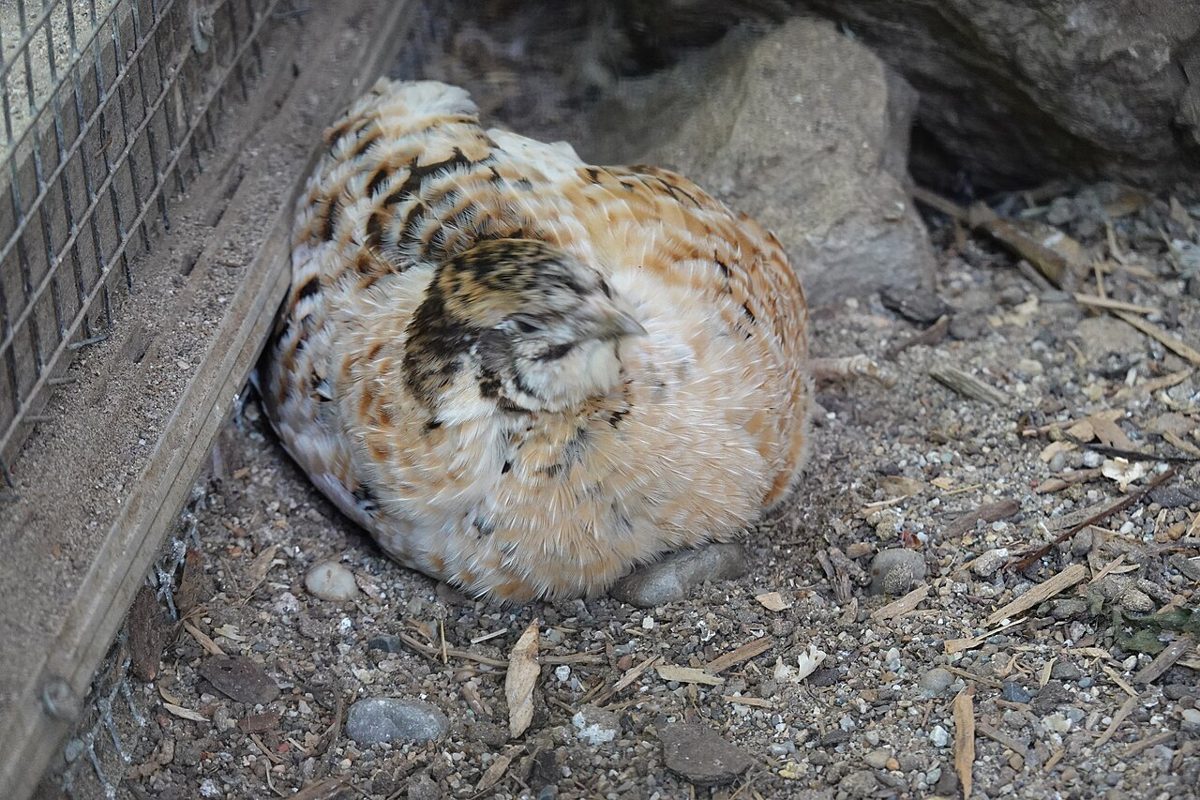

The three things seasons change
Light. Cooperative Extension says Japanese quail need 14 to 18 hours of light per day to keep laying. In December, daylight across the lower 48 states runs from under 9 hours in the far north to about 10.5 hours in South Florida, so without added light, laying slows or stops for months.
Temperature. Fully feathered coturnix generally cope with cold if they are dry and out of the wind. Heat is the bigger danger, especially in small enclosures in full sun. Our quail housing guide covers ventilation and wind protection in detail.
Disease and pests. Wet litter in winter and spring and hot, crowded pens in summer set up coccidiosis, respiratory trouble and flies. USDA APHIS warns that wild birds can bring avian diseases such as highly pathogenic avian influenza into domestic flocks, so keep feed covered and pens screened all year.
Year-round quail care calendar
| Months | Main jobs | Watch for |
|---|---|---|
| January–February | Keep water liquid; keep lights at 14–16 hours; top up deep, dry bedding; order hatching eggs or incubator supplies | Frozen waterers, wet bedding, ammonia smell, condensation |
| March–April | Set the incubator; set up the brooder; deep-clean pens as weather allows; start removing winter wraps on mild days | Chicks chilling in cold garages, damp litter, first mosquitoes in the South |
| May–June | Main hatching and grow-out season; move feathered chicks outside when nights are mild; put up shade before heat | Crowding as chicks grow, pecking, early heat waves |
| July–August | Heat plan: shade, airflow, cool water two or three times a day; collect eggs often | Panting, wings held out, lethargy, thin shells, flies |
| September–October | Lights back on a timer before days drop below 14 hours; process extra males and older birds; check roofs and wind wraps | Laying slowdown, predators getting bolder, drafts |
| November–December | Wrap two or three sides; heated waterer or base ready; backup waterer; stock up on feed | Cold snaps, power outages, stale air in wrapped pens |
Southern keepers can shift this calendar: winter jobs are shorter, and heat season starts earlier and lasts longer. Northern keepers often hatch a little later in spring.
Lighting through the year
Light is the single biggest seasonal lever for egg production. A small LED bulb on an inexpensive timer is enough.
- Decide on 14–16 hours total. Extension’s range is 14–18 hours; most backyard keepers aim for about 15.
- Add the extra light in the morning, before sunrise, and let the evening end naturally. University of Minnesota Extension gives the same advice for chickens, so birds settle at dusk instead of being plunged into darkness.
- Turn the timer on in early fall, before day length drops below about 14 hours.
- Adjust the timer every few weeks as sunrise moves. University of Minnesota Extension notes that daylight starts increasing after about December 20.
- Keep meat birds and spare males on short days, about 8 hours, which Extension says delays maturity and reduces fighting.
Running cost is small. A 9-watt LED bulb on for 6 extra hours a day uses about 1.6 kWh a month, roughly 30 cents at the US average residential price of 18.16 cents per kWh that the Energy Information Administration reported for August 2026.
Winter care
Coturnix do not need a warm coop; they need a dry, draft-free one. Our raising coturnix quail guide notes that keepers in cold states often wrap two or three sides of the hutch.
- Block wind, keep airflow. University of Minnesota Extension explains that moisture plus cold leads to condensation and health problems. Keep vents open above bird level even when you wrap the sides.
- Deep, dry bedding. Minnesota Extension suggests 4–6 inches of shavings or straw in floor coops. Replace wet spots right away.
- Water that stays liquid. Use a heated fount or heated base, check it daily, and keep a spare waterer. Minnesota Extension warns against using extension cords as permanent coop wiring.
- Feed. Birds eat more in the cold. Minnesota Extension reports that chickens may eat up to 25% more in cold weather; expect a similar jump in quail and keep feeders full.
- Heat, carefully. Minnesota Extension recommends supplemental heat for chickens when coop temperatures fall below 35°F and prefers radiant heaters approved for livestock. We did not find a published cold threshold specific to coturnix. If you add heat, use a radiant panel or heat plate, never hang a lamp by its cord, and keep everything away from bedding. Our guide to whether quail need heat in winter goes into more detail.
Signs a bird is too cold include huddling and puffed-up feathers. A bird that stays puffed up in mild weather may be sick rather than cold; see our quail health guide.
Spring: hatching season
Spring is when most keepers hatch replacement layers and meat birds. Lengthening days help breeding birds, and chicks hatched in spring go outside into mild weather.
- Clean and disinfect the incubator and brooder before you start.
- Order hatching eggs from NPIP sources, and quarantine any new adult birds for 30 days, as the CDC advises.
- Plan your brooder heat for a cold garage at night, not a warm afternoon. Our quail chick care guide has the week-by-week temperatures, and how to incubate quail eggs covers the hatch itself.
- Strip winter wraps gradually as nights warm, and deep-clean pens on a dry day.
Summer: heat is the danger
University of Arizona Cooperative Extension guidance for backyard poultry describes the stages of heat stress. A bird that is simply warm may pant lightly. Heavier panting with wings held away from the body means it is under heat stress and the flock needs cooling. Heavy panting with lethargy, limpness or collapse is an emergency.


That guidance, written for chickens, translates well to quail:
- Shade the right side. Place shade so it covers the pen during the hottest part of the day, midday through afternoon. Shade on the east side alone can leave birds in full sun in the late afternoon.
- Move air. Open panels, add a fan out of the birds’ reach, and never leave a pen sealed in the sun.
- Cool water, several times a day. Add frozen bottles or ice to waterers. Change open water daily to limit coccidiosis.
- Electrolytes, short term. Offer electrolytes for a few hours, then switch back to plain water.
- Feed in the cool hours. Birds eat less in heat. Offer feed early and late.
- Mist lightly. Misters help in dry heat, but do not soak the litter.
- Collect eggs more often. Extension notes that heat lowers feed intake and calcium, which can hurt shells.
Expect wetter droppings on hot days; Extension explains that birds drink more and lose heat through their droppings. For warning signs and emergency cooling, see quail heat stress.
Fall: get ready for short days and cold
- Lights on. Set your timer before laying drops off.
- Thin the flock. Process extra males and older, less productive hens before winter. Minnesota Extension notes that birds in poor health or condition cope badly with cold and that culling them in fall can be the most humane choice.
- Check the structure. Fix leaks, wind gaps and predator weak spots while the weather is mild.
- Stock up. Store feed in a dry, rodent-proof container.
- Plan for outages. Know how you will keep water liquid and birds sheltered if the power fails in a storm.
Seasonal egg production
Laying follows light more than temperature. With 14–16 hours of light, healthy hens keep laying through winter, though very cold snaps and summer heat can both cut production for a while. Without added light, expect a long pause from late fall to early spring. Our quail eggs guide covers collecting and storing eggs in every season.
Frequently asked questions
Do quail need heat in winter?
Healthy, fully feathered adults usually do not, if they are dry, out of the wind and have unfrozen water. Chicks always need heat until feathered. If you add heat for adults, use a radiant source and follow fire-safety steps.
What temperature is too hot for quail?
There is no single number; humidity, shade and airflow matter as much as the thermometer. Treat heavy panting with wings held away from the body as a sign to cool the flock right away.
Why did my quail stop laying in fall?
Almost always because day length dropped below about 14 hours. Add morning light on a timer to bring the total back to 14–16 hours.
When is the best time to hatch quail?
Spring and early summer for most of the US. Chicks feather out as nights warm, and pullets start laying before the next short days.
Sources
- Jacob, J. and McCrea, B. Raising Japanese Quail in Small and Backyard Flocks. Cooperative Extension.
- Wright, A. Managing Backyard Chickens During Periods of Extreme Summer Temperature. University of Arizona Cooperative Extension, via Cooperative Extension Small and Backyard Poultry.
- Carlson, C. and Lochner, H. Caring for Chickens in Cold Weather. University of Minnesota Extension.
- USDA Animal and Plant Health Inspection Service. Defend the Flock.
- Centers for Disease Control and Prevention. Backyard Poultry: Healthy Pets, Healthy People.
- U.S. Energy Information Administration. Electric Power Monthly, Table 5.6.A: Average Price of Electricity to Ultimate Customers by End-Use Sector, by State (August 2026 data).