
Quick answer: Adult quail usually do not need heat in winter if they are fully feathered, dry and out of the wind. University of Maryland Extension says adult poultry protected from wind and wet weather should not need extra heat even in the coldest weather, and SPCA New Zealand adds that quail are susceptible to cold, so give them extra-deep bedding and stop drafts. Chicks always need heat. Consider gentle, safe heat only for very cold spells, molting or sick birds, or if you want steady winter laying; avoid unsecured heat lamps, which are a fire risk.
Do quail need heat in winter? It is one of the most-searched quail questions each fall, and the answers online range from “never” to “always”. Small birds lose heat quickly, but a dry, draft-free pen does most of the work. This guide explains when heat helps, when it does not, and how to add it without starting a fire. For the full winter routine, see our quail care by season calendar.
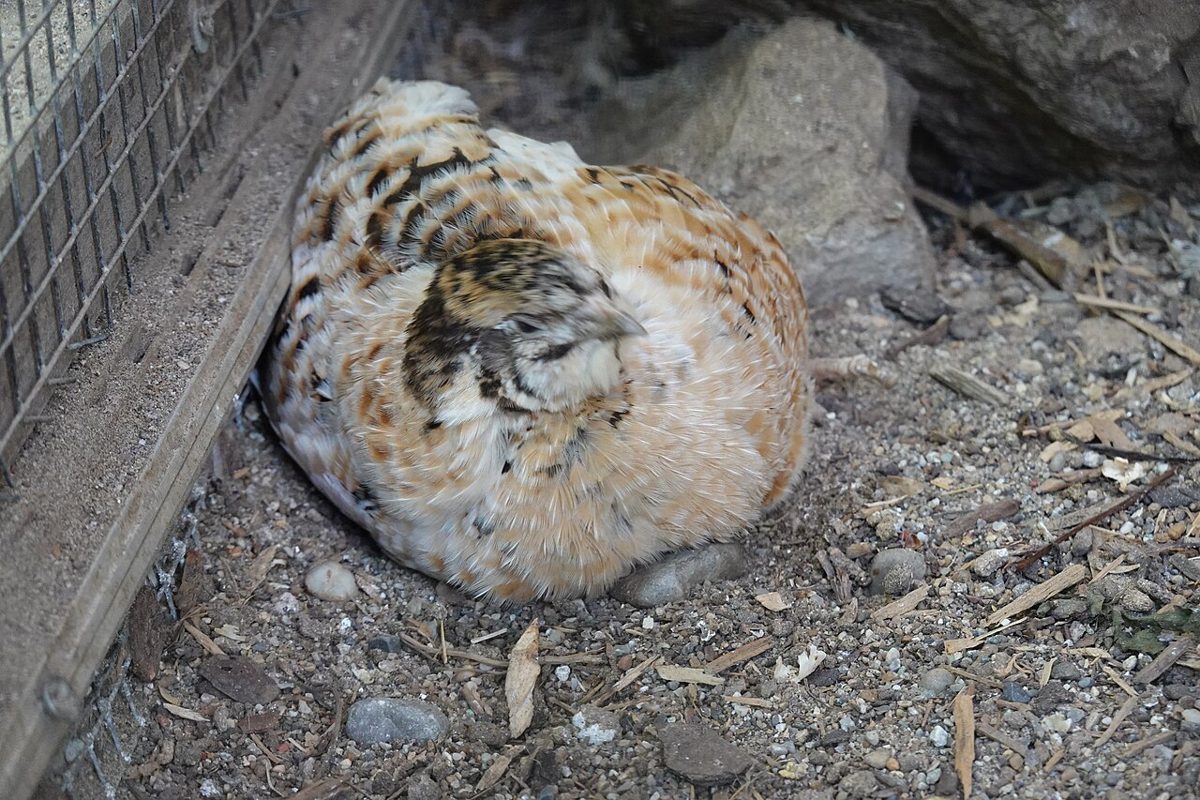

The short answer by situation
| Situation | Heat needed? | Why |
|---|---|---|
| Chicks in the brooder | Yes | NSW DPI: supplementary heat for about 3–4 weeks |
| Healthy adults, dry, out of wind | Usually no | UMD Extension: protected adult poultry should not need extra heat |
| Molting or recently feathered birds | Maybe | UMD: molting hens may need extra heat or protection until feathers regrow |
| Sick or injured birds | Often | Keep them warm in a hospital box |
| Very cold spells in an open pen | Consider it | UMN Extension (chickens) suggests heat when the coop falls below 35°F |
| Winter egg production | Light matters more than heat | NSW DPI: 14–18 hours of light keeps quail laying |
Most of the cold-weather research is on chickens, which are much bigger than quail. Treat chicken thresholds as a starting point and watch your birds.
What matters more than heat
Dryness. UMD Extension warns that moisture raises ammonia and makes it harder for birds to stay warm; fix leaking roofs before winter. Dry bedding insulates; wet bedding chills.
No drafts, but some ventilation. SPCA New Zealand recommends closing windows and doors to reduce drafts for quail. UMN Extension says to seal holes and cracks but manage manure and ventilation to control moisture. Keep fresh air above the birds, not wind across them. Our quail housing guide covers ventilation.
Deep bedding. SPCA New Zealand specifically recommends extra-deep bedding for quail in cold periods. See quail bedding.
Water that does not freeze. UMN stresses free access to fresh water. Swap drinkers twice a day or use a heated base, safely installed.
Feed. UMN Extension says a flock’s feed intake may rise by up to 25% in cold weather (chicken data); keep feeders full with a complete ration.
Shelter and sun. UMD suggests placing housing so winter sun can enter during the day.
Signs your quail are too cold
UMN Extension lists huddling together and puffed-up feathers as cold signs in chickens; the same signs are easy to spot in quail:
- Huddling tightly together for long periods
- Fluffed feathers and reluctance to move
- Frozen water or birds not drinking
- Laying dropping off (also caused by short days)
If adults show these signs, first fix drafts, damp and water, then consider gentle heat.
Safe heat if you need it
| Option | Pros | Risks / rules |
|---|---|---|
| Radiant panel heater with auto shutoff | Heats birds, not air; UMD prefers radiant heaters with automatic shutoff | Mount securely |
| Heat lamp | Cheap | Fire risk; NFPA says secure lamps and keep them away from anything that can burn |
| Propane or kerosene heater | Strong heat | UMD calls gas heaters a fire hazard in coops |
| Heated waterer base | Keeps water liquid | NFPA: use grounded cords and plugs |
| Moving the hutch into a garage or shed | Less wind and cold | NSW DPI: rooms must be insulated, ventilated, draft-free and safe from predators |
The NFPA’s coop safety sheet also says not to use extension cords in the coop and to check wiring for damage. Never put heat where birds can touch it.
Chicks are different
Chicks cannot hold their body temperature at first. NSW DPI says quail chicks need supplementary heat for about 3–4 weeks; our brooder temperature chart gives week-by-week settings. Do not move young birds outside in winter until they are fully feathered and used to cooler temperatures.
Winter laying is about light
Quail lay when days are long. NSW DPI says they need 14–18 hours of light per day, which means supplementary light in autumn, winter and spring. A timer-controlled bulb does more for egg numbers than heat; see quail not laying eggs.
Frequently asked questions
What temperature is too cold for quail?
We found no quail-specific threshold. UMN Extension suggests heat for chickens when the coop falls below 35°F; quail are smaller, so watch them closely below that.
Can quail live outside in winter?
Many do, if they are dry, out of the wind, on deep bedding and have unfrozen water.
Do quail need a heat lamp at night in winter?
Healthy, fully feathered adults usually do not. If you use one, secure it and keep it away from bedding.
Is a garage OK for quail in winter?
It can be, if it is insulated, ventilated, draft-free and predator-proof, as NSW DPI describes,; keep vehicles and fumes out of the space.
Does heat make quail lay in winter?
Light is the main driver. Add light to reach 14–16 hours a day.
Sources
- University of Maryland Extension. Winter Weather and Small Flocks: What You Need to Know (FS-1133).
- University of Minnesota Extension. Caring for chickens in cold weather.
- SPCA New Zealand. Caring for quail.
- Randall, M. and Bolla, G. Raising Japanese Quail. NSW Department of Primary Industries Primefact, republished by The Poultry Site.
- National Fire Protection Association. Chicken Coop Safety Tips.