
Quick answer: In an incubator power outage, keep the lid closed, note the time and temperature, and keep the eggs warm without sealing off air: cover the incubator with a blanket or cardboard box and move it to the warmest draft-free room. University of Maine Extension says developing eggs can last a few hours this way, and Illinois Extension notes some embryos survive below 90°F for up to 18 hours. Do not give up on the eggs: expect a hatch that is a day or more late and some losses, then candle a day or so after power returns to see which embryos are still alive.
An incubator power outage feels like a disaster when you have a tray of quail eggs halfway to hatch. Most short outages cost far less than people fear. Embryos slow down when they cool and restart when warmed, within limits. This guide gives a step-by-step plan, explains what the stage of incubation changes, and how to prepare for the next storm.
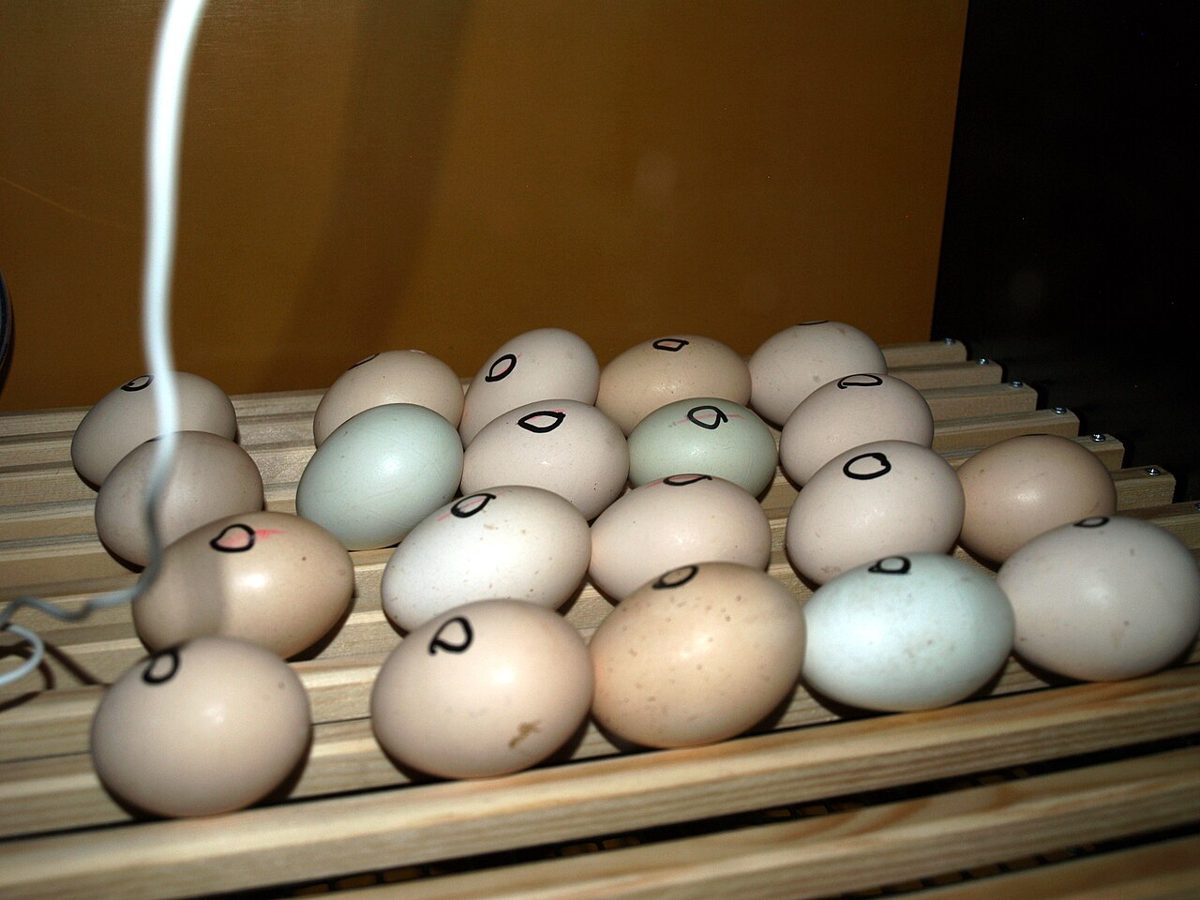

What to do right now
- Keep the incubator closed. Every opening lets heat out.
- Write down the time and the last temperature. You will need it to judge the hatch.
- Insulate it. UMaine Extension suggests closing the vents and covering the machine with a blanket; Illinois Extension suggests a large cardboard box over the top.
- Move it somewhere warmer if you can do so gently, away from windows and drafts. UMaine suggests near a wood stove, while watching the temperature.
- Allow some air. UMaine warns that sealing the incubator also blocks oxygen and carbon dioxide exchange, so open the vents again if the outage drags on.
- Do not turn the heat up too high when power returns. Illinois Extension warns that overheating (around 103°F for hours) causes high mortality.
- Wait, then candle. UMaine says to wait a day after power returns, then candle to see which embryos are alive. See how to incubate quail eggs for candling.
How long can quail eggs survive without power?
| Source | What it says | Notes |
|---|---|---|
| University of Maine Extension | Covered eggs “can last a few hours”; expect a delay of a day or more and some deaths | Chicken-focused bulletin |
| Illinois Extension (Koelkebeck) | Embryos can survive at 70°F for a short period; some survive below 90°F for up to 18 hours | Training slides |
| Brinsea (incubator maker) | Short cooling (30–40 minutes) does no harm; for longer than 2 hours, treatment depends on the stage | Manufacturer guidance |
These figures come mostly from chicken eggs. We found no quail-specific outage study. Quail eggs are small and lose heat faster, so treat the shorter end of these ranges as more realistic.
Early, middle or late incubation?
| Stage (quail) | What changes | What to do |
|---|---|---|
| Early (first week) | Small embryos tolerate cooling better | Brinsea suggests that for long outages, newly set eggs are best cooled to 41–68°F and held there rather than left lukewarm |
| Middle (about days 7–14) | Embryos larger; losses rise with severe cooling | Brinsea says cooling and holding at 41–68°F may still be best up to about day 14, but expects greater losses |
| Lockdown (day 14 onward) | Embryos make their own heat | UMaine: near hatch, chicks generate heat; insulation may not be needed and the incubator may even overheat |
The middle advice reflects Brinsea’s warning about a “zone of disproportionate development” (27–35°C, 80.6–95°F), where early embryos develop abnormally. Avoid leaving very young eggs lukewarm for many hours. Quail lockdown settings are in our quail lockdown guide.
After the power comes back
- Let the incubator return to its normal 99.5°F (forced air) gradually; check with a separate thermometer. Settings are in our temperature and humidity chart.
- Keep turning on schedule (until lockdown).
- Expect a late hatch: UMaine says a day or more. Do not discard eggs on day 17.
- Candle after about a day and remove clearly dead eggs.
- If many eggs fail, see why quail eggs are not hatching.
Prepare before the next outage
| Preparation | Why |
|---|---|
| Battery-backed thermometer | Know how cold the eggs got |
| Uninterruptible power supply (UPS) or generator | Keeps small incubators running |
| Blankets and a cardboard box near the incubator | Fast insulation |
| Warm room plan | Somewhere draft-free to move it |
| Notes of set dates | Judge the stage quickly |
Never run a generator or fuel heater indoors; carbon monoxide is deadly.
Frequently asked questions
How long can incubating quail eggs go without heat?
A few hours is often survivable if the incubator is closed and insulated. Some embryos survive much longer, but hatch rates fall.
Should I open the incubator to check the eggs?
No. Keep it closed until power returns.
Will a power outage delay the hatch?
Usually. UMaine Extension says by a day or more.
Should I put early eggs in the fridge during a long outage?
Sources differ. Brinsea says newly set eggs facing a long outage are best cooled to 41–68°F, and literally says to put them in the fridge. NSW DPI, writing about storing quail hatching eggs before incubation, says a household fridge is too cold. If you have a cool room in the 41–68°F range, that satisfies both; otherwise Brinsea’s advice is the only outage-specific guidance we found.
How do I know if the embryos survived?
Candle a day or so after power returns. Moving embryos and visible blood vessels mean they are alive.
Sources
- University of Maine Cooperative Extension. Maine Poultry Facts: Hatching Your Own Chicks (Bulletin #2072).
- Koelkebeck, K. Incubation and Embryology. University of Illinois Extension.
- Brinsea. What to do if the power goes off.
- Randall, M. and Bolla, G. Raising Japanese Quail. NSW Department of Primary Industries Primefact, republished by The Poultry Site.