
Quick answer: Quail lockdown starts on day 14 or 15 of incubation for coturnix eggs. Stop turning, take the eggs off the turner and lay them on their sides on a non-slip liner, raise humidity to about 65–75%, keep the temperature at about 99–99.5°F in a forced-air incubator, and close the lid. Leave it closed until the hatch is over, usually days 17–18. Move chicks to the brooder once they are dry and fluffed, which Missouri Extension says normally takes about 12 hours.
Quail lockdown is the last stretch of incubation, and it is where many hatches are won or lost. Chicks are moving into hatching position, absorbing the yolk and getting ready to pip, so the egg needs stillness, higher humidity and steady heat. This guide gives the exact day, settings and steps for coturnix lockdown, explains what NSW Department of Primary Industries, the Clemson table reproduced by Virginia Tech and Missouri Extension recommend, and shows how to handle the hatch itself without hurting the late eggs.
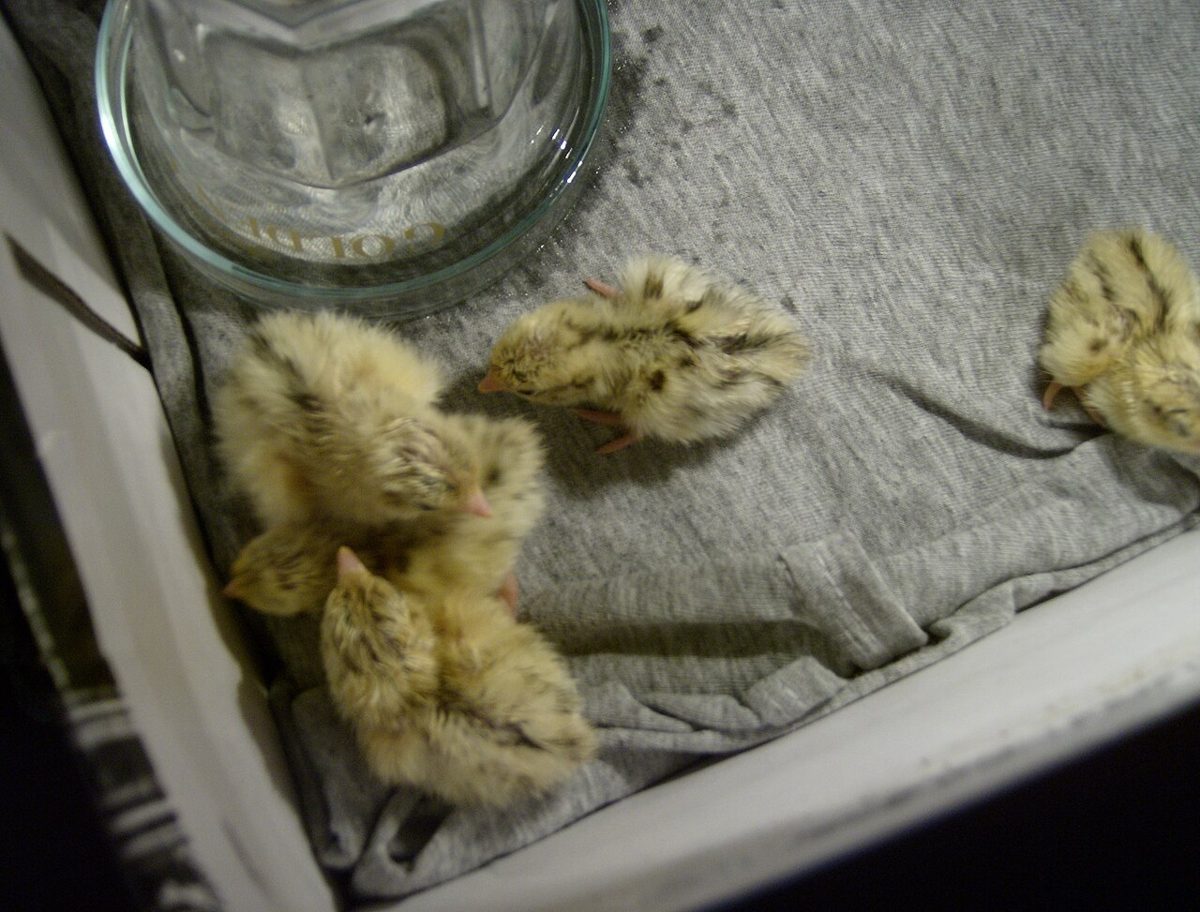

When is quail lockdown?
| Source | Stop turning | Hatch expected |
|---|---|---|
| NSW Department of Primary Industries | Day 14: candle, remove clears, move to hatching trays, stop turning | 17–18 days |
| Clemson table (in Virginia Tech’s 4-H manual) | No turning after day 15 | 17 days |
| Our recommendation | Day 14 or 15 | Days 17–18 |
Most coturnix hatch on day 17 or 18. If you set eggs in the evening, count that evening as day 0. Small differences in temperature and egg storage can shift hatch by a day either way, so plan lockdown for day 14 or 15 rather than waiting until the last moment.
Lockdown settings
| Setting | Days 1–14 | Lockdown to hatch |
|---|---|---|
| Temperature, forced-air | 99.5°F (37.5°C) | 99–99.5°F (37.2–37.5°C) |
| Temperature, still-air (top of eggs) | About 100.5°F | About 100.5°F, never above 103°F |
| Humidity | About 40–60% depending on your setup | About 65–75% |
| Turning | At least 3 times a day, odd number preferred | None |
| Lid | Open briefly to turn | Closed |
NSW DPI runs a separate hatcher at 99°F (37.2°C) with a wet-bulb reading of 90°F (32.2°C), about 70% humidity. For a still-air incubator, it recommends raising humidity to 70% (wet bulb 90°F) from day 14 and not letting the temperature exceed 103°F (39.5°C) until hatching is complete. If you use one machine for the whole incubation, NSW DPI advises keeping 99.5°F throughout. Our quail incubation temperature and humidity chart covers the earlier days and wet-bulb conversions.
Step-by-step lockdown
- Weigh or candle first (optional). NSW DPI candles on day 14 and removes cracked eggs, infertile eggs and dead embryos. Speckled shells make quail eggs harder to read, so use a bright light in a dark room.
- Prepare the floor. Lay non-slip shelf liner or a few layers of cheesecloth on the incubator floor. Missouri Extension suggests cheesecloth over the wire mesh before hatch to protect navels and legs, and NSW DPI recommends crowding the eggs into a small area or fastening cheesecloth to the hatching tray to stop chicks sprawling.
- Stop turning. Switch off the turner and remove the rails or trays.
- Lay eggs on their sides, close together but not stacked.
- Add water to raise humidity to about 65–75%. Use warm water, as Missouri Extension recommends, so you do not chill the incubator.
- Check vents are open as the manufacturer recommends. Hatching chicks need fresh air.
- Close the lid and leave it closed.
During the hatch
- Do not open the incubator. Every opening drops humidity fast, and the membranes of pipped eggs can dry onto the chick. Missouri Extension advises avoiding frequent opening to remove chicks for exactly this reason.
- Expect condensation. Missouri Extension notes that condensation on the window shows humidity is adequate in the final days; the amount depends on room temperature.
- Be patient after the first pip. Keepers commonly see a pipped chick rest for some hours before it cuts around the shell, so a still pipped egg is not necessarily in trouble.
- Leave chicks to dry. Missouri Extension says newly hatched chicks should be removed when they have dried and fluffed, which normally takes about 12 hours.
- Remove chicks in batches, quickly, if you must open the lid, then close it again.
Should you help a chick hatch?
Usually no. Many keepers find that chicks needing help were weak to begin with, and Missouri Extension notes that chicks hatching more than 24 hours after the hatch starts are commonly weak and more susceptible to stress and disease, and that long, drawn-out hatches usually come from poor egg vigor or an unbalanced environment over the whole incubation, not just hatch day. If you do decide to help, do it rarely, keep the chick warm and moist, and stop at any sign of bleeding.
After the hatch
- Move dry chicks to a brooder that has been running at about 95°F for at least a day. See quail brooder setup and quail brooder temperature by week.
- Dip beaks in water and show them the feed.
- Wait a day after the main hatch before giving up on the rest; then candle any remaining eggs.
- Clean the incubator. Missouri Extension notes that hatching creates fluffy debris and suggests gloves and a face mask during cleanup. NSW DPI recommends washing and disinfecting the hatching unit after each use.
- Read the leftovers. Unhatched eggs tell you what to fix next time.
Lockdown troubleshooting
| What you see | Likely cause | Next time |
|---|---|---|
| Pipped, then died in the shell | Humidity dropped at hatch, often from opening the lid | Keep humidity up; keep the lid shut |
| Chicks sticky, shell stuck to down | Low humidity after pipping | Raise lockdown humidity |
| Chicks hatched early, bloody or unhealed navels | Temperature too high or swinging | Check thermometer calibration |
| Chicks hatched late, weak | Low temperature, weak eggs or poor storage | Calibrate; set fresher eggs |
| Fully formed, did not pip | Low average temperature, humidity problems, weak eggs | Calibrate; weigh eggs to manage humidity |
| Splayed legs | Slick floor | Non-slip liner or cheesecloth |
Missouri Extension also suggests checking where chicks pip: ideally about a third of the shell is removed during hatching, which shows humidity was well balanced. Our full guide to incubating quail eggs covers the whole 17–18 days and a chart for diagnosing eggs that do not hatch.
Lockdown checklist
- Day counted from setting (day 0)
- Liner or cheesecloth in place
- Turner off and rails removed
- Water added; humidity reading about 65–75%
- Thermometer checked at egg height
- Vents open; lid closed
- Brooder preheated
- Note the date and time lockdown started
Frequently asked questions
What day is lockdown for quail eggs?
Day 14 or 15. NSW DPI stops turning on day 14; the Clemson table says no turning after day 15. Coturnix usually hatch on days 17–18.
What humidity should quail lockdown be?
About 65–75%. NSW DPI uses about 70% (a 90°F wet-bulb reading) from day 14 to hatch.
Can I open the incubator during lockdown?
Avoid it. Opening drops humidity and can cause pipped chicks to stick. If you must, do it quickly and close the lid at once.
How long can quail chicks stay in the incubator after hatching?
Leave them until dry and fluffed, normally about 12 hours according to Missouri Extension.
My quail eggs are past day 18 and have not hatched. What now?
Wait about a day after the expected hatch, then candle. Missouri Extension notes that very late hatchers are often weak; look back at temperature, humidity and egg storage for the cause. Our guide to why quail eggs are not hatching walks through each cause.
Sources
- Randall, M. and Bolla, G. Raising Japanese Quail. NSW Department of Primary Industries Primefact, republished by The Poultry Site.
- Virginia Cooperative Extension. Beginning of Life (4-H 408-029), including Clemson University’s incubation table.
- Missouri Extension. Incubating Eggs (G8353).