
Quick answer: The right quail feed protein percentage depends on age and purpose. For coturnix chicks from hatch to 6 weeks, Extension sources recommend about 24–30% protein (Alabama Extension 24–26%, NSW DPI about 25%, Texas A&M 26–30%). After 6 weeks, meat birds do fine on about 17–20%. Laying hens and breeders need about 18–24%: Alabama Extension lists 18–20% for breeders and NSW DPI about 24% for layers, and research on laying quail found egg output generally rose with protein in temperate conditions.
Quail feed protein percentage is the number on the feed tag that matters most for coturnix. Quail grow very fast and lay an egg nearly every day at peak, so they need more protein than chickens. But “more” has limits, and the right level changes as birds age. This guide gives protein targets for every stage from Extension sources, explains why the sources differ, summarizes what feeding trials on laying quail found, and shows how to read a feed tag and mix feeds safely.
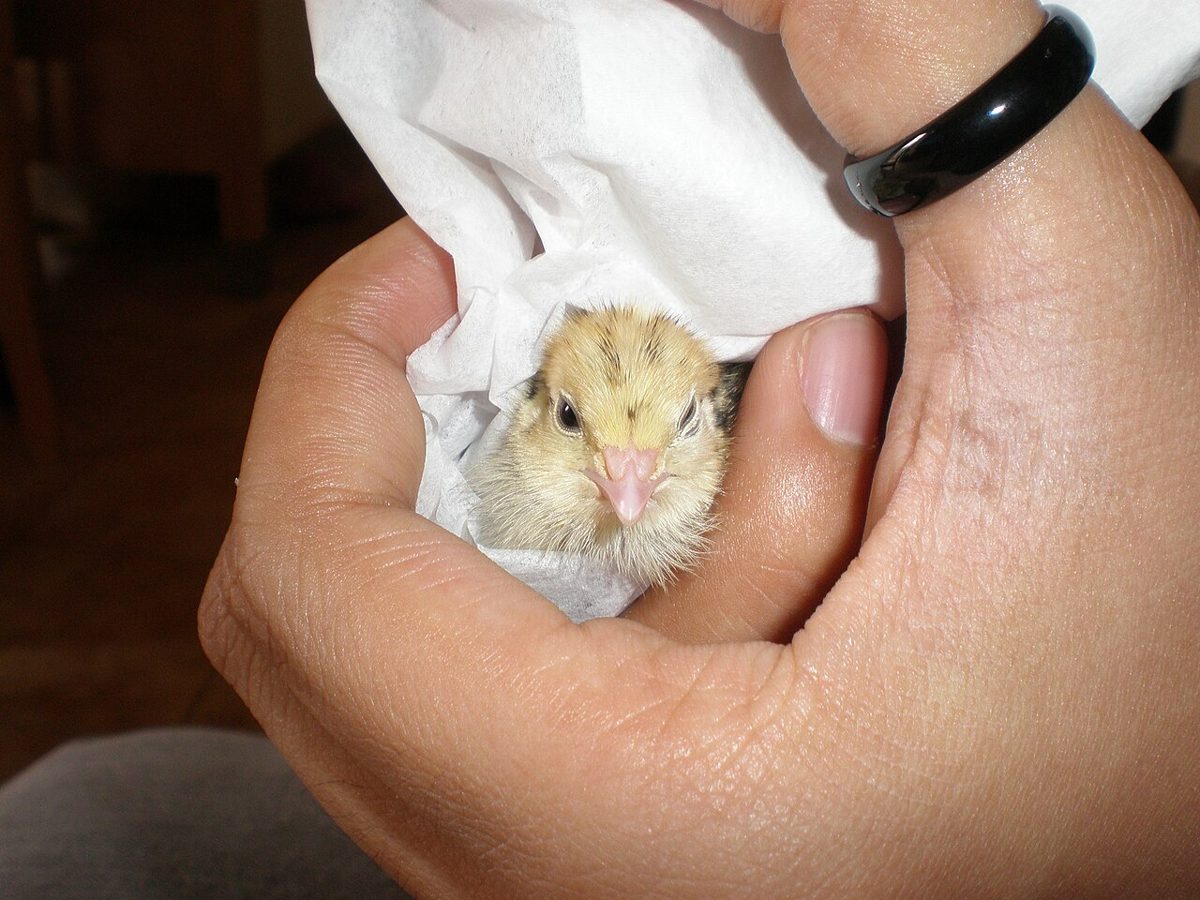

Quail protein requirements by age
| Stage | Protein target | Calcium | Sources |
|---|---|---|---|
| Hatch to 6 weeks (starter) | 24–30% | About 1% | Alabama Extension 24–26%; NSW DPI about 25%; Texas A&M 26–30% |
| Meat birds, 6 weeks to processing | 17–20% | Grower level, not layer level | Alabama Extension finisher 17–19%; Texas A&M grower 20% |
| Laying hens | 20–24% | 2.5–3% (up to 3.5% in heat) | NSW DPI about 24%; Virginia Tech 4-H 20% |
| Breeders | 18–20% or more | 2.5–3% | Alabama Extension 18–20% |
| Non-laying adults and males on short days | Grower or breeder ration | About 1% | Our suggestion: skip high-calcium layer feed |
For bobwhite, Penn State Extension recommends a 28% starter for the first 6–8 weeks, a 20% grower from 8 to 14 weeks, and a 13–14% maintenance diet after 14 weeks until breeding season.
Why the sources disagree
The ranges overlap but are not identical, for three reasons:
- Different birds. Alabama Extension notes that Japanese quail selected for rapid growth may need higher concentrations of protein, amino acids, calcium and phosphorus than random-bred quail. A jumbo meat line and a small layer line are not the same animal; see jumbo vs regular coturnix.
- Different feeds. Protein percentage is only part of the story. Energy level, amino acid balance (especially methionine and lysine) and how much the bird eats all change what a given percentage delivers.
- Different goals. Texas A&M writes for meat producers and pushes protein higher for growth. NSW DPI writes for egg and breeding flocks.
The practical result: any feed in the ranges above works, and the top of the range is the safer choice for chicks.
What research says about protein for laying quail
Several feeding trials have tested 18–24% protein diets in laying Japanese quail:
| Study | Protein levels | Main finding |
|---|---|---|
| Oh and colleagues 2012, Korea | 18, 20, 22, 24% | Egg production and daily egg mass rose steadily with protein; 18% caused more fat buildup in the liver |
| Ashour and colleagues 2024, Egypt, summer | 18, 20, 22% with 3 energy levels | 20% protein with 2,900 kcal/kg energy gave the best egg weight and egg mass |
| Jesuyon and colleagues 2021, Nigeria, heat-stressed | 18, 20, 22, 24% | 18% gave the most eggs; 24% gave the heaviest eggs; authors blame heat for low overall production |
The trials agree that protein matters, but not on one best number, and climate seems to be part of the reason. In a mild climate, the Korean results support NSW DPI’s higher layer target. In hot conditions, birds eat less and the picture is messier, so focus on keeping hens cool; see quail heat stress.
What feed to buy
In the US, the easiest way to hit these numbers is a game bird or turkey ration:
| Feed | Typical protein | Use for |
|---|---|---|
| Game bird or turkey starter | About 25–30% | Chicks to 6 weeks |
| Game bird grower or “flight” feed | Varies; check the tag | Meat birds and non-laying adults |
| Game bird layer or breeder | Varies; check the tag | Laying hens and breeders |
| Chicken starter | About 18% (Purina chick starter) | A fallback for chicks; slower growth |
| Chicken layer | At least 14%, usually 16% (Cooperative Extension) | Adults only, if nothing better; below quail targets |
NSW DPI says a good commercial starter for game birds or turkeys contains about 25–28% protein, and that chicken starter (which it lists at 20–22%) can be used but birds grow more slowly. Purina sells a 30% protein game bird starter in the US. Our guide to can quail eat chicken feed compares the options in detail.
How to read a feed tag
- Find “Crude Protein (Min).” That is the protein percentage.
- Check calcium. Starter and grower feeds should be about 1% calcium. Layer feeds run about 2.5–3.5%. Do not feed layer feed to chicks.
- Check whether it is medicated. Read the label for species and any warnings; see quail chick care.
- Check the date. NSW DPI warns that feed stored longer than 8 weeks loses vitamins and can go rancid.
Mixing feeds and adding treats
Mixing changes protein in a simple, predictable way. A 50/50 mix of a 30% starter and a 20% grower gives about 25%. Treats dilute protein: scratch grains and most seeds are much lower in protein than game bird feed. A rough rule many keepers use is to keep treats to a small handful for the flock so the main ration stays at least 90% of what they eat. Dried mealworms or black soldier fly larvae are high in protein and make good occasional treats. Our guide to what quail eat covers safe treats.
Signs protein is too low
| What you see | Possible protein link | Check |
|---|---|---|
| Chicks growing slowly, scruffy feathers | Starter below about 24% | Switch to a game bird starter |
| Feather eating or pecking | Low protein, crowding or boredom | Feed tag; space |
| Fewer or smaller eggs | Low protein, but also light, age or heat | See why quail stop laying |
| Meat birds small at 8 weeks | Low-protein grower | Texas A&M recommends 26–30% for the first 6 weeks |
Can protein be too high? For backyard birds on commercial feed, it rarely is. The Korean trial found no change in the liver and kidney blood markers it measured at protein levels up to 24%. Very high protein mostly costs more and is not needed for adults.
Frequently asked questions
What protein percentage do quail chicks need?
About 24–30% from hatch to 6 weeks. Alabama Extension lists 24–26%, NSW DPI about 25% and Texas A&M 26–30%.
Is 20% protein enough for laying quail?
It can be. Alabama Extension lists 18–20% for breeders, and a 2024 summer study found 20% protein with the right energy level worked best. NSW DPI recommends about 24% for layers, and a Korean study found egg output kept rising up to 24%.
Can I feed 30% game bird starter to adult quail?
Short term, yes, but it is costly and low in calcium for laying hens. Switch to a layer or breeder ration once hens start laying, and offer oyster shell.
What protein do meat quail need after 6 weeks?
About 17–20%. Alabama Extension lists 17–19% for finishing; Texas A&M uses a 20% grower.
Sources
- Alabama Cooperative Extension System. Feeding Game Birds: Pheasant, Quail, and Partridge (ANR-1343).
- Randall, M. and Bolla, G. Raising Japanese Quail. NSW Department of Primary Industries Primefact, republished by The Poultry Site.
- Thornberry, F. D. Producing Quail for Home Consumption (L-5215). Texas A&M AgriLife Extension.
- Virginia Cooperative Extension. Beginning of Life (4-H 408-029).
- Penn State Extension. Bobwhite Quail Production, via the Agricultural Marketing Resource Center.
- Oh, S. T. et al. (2012). The effects of dietary protein level on laying performance and egg quality in Japanese quail. Korean Journal of Poultry Science 39(3): 207–213.
- Ashour, E. A. et al. (2024). Effect of different energy, protein levels and their interaction on productive performance, egg quality, digestibility coefficient of laying Japanese quails. Poultry Science 103(1): 103170.
- Jesuyon, O. M. A., Aganga, A. A. and Orunmuyi, M. (2021). Effect of dietary protein level on egg production and egg-quality characteristics of Japanese quail in the tropical environment. Animal Production Science 62(14): 1430–1438.
- Purina Animal Nutrition. What Do Chickens Eat? Your Chicken Feed Plan.
- Cooperative Extension. Feeding Chickens for Egg Production in Small and Backyard Flocks. Cooperative Extension.
- Purina Animal Nutrition. Purina Game Bird 30% Protein Starter.