
Quick answer: Wild quail eat seeds, grasses and insects. Backyard coturnix do best on a complete game bird or turkey feed: 24–28% protein from hatch to about 6 weeks, then a breeder or layer feed with about 18–22% protein and 2.5–3% calcium. Add clean water, grit, oyster shell for layers, and keep treats near 10%.
What do quail eat? In the wild, coturnix eat grass seeds, grains, small worms and insect larvae, and laying hens actively pick up grit. In a backyard pen, they cannot forage enough to balance that diet, so a complete commercial feed does the heavy lifting. This guide covers exactly what to feed coturnix at each age, how much they eat, how to read a feed tag, which treats are safe, and what to keep out of the run.
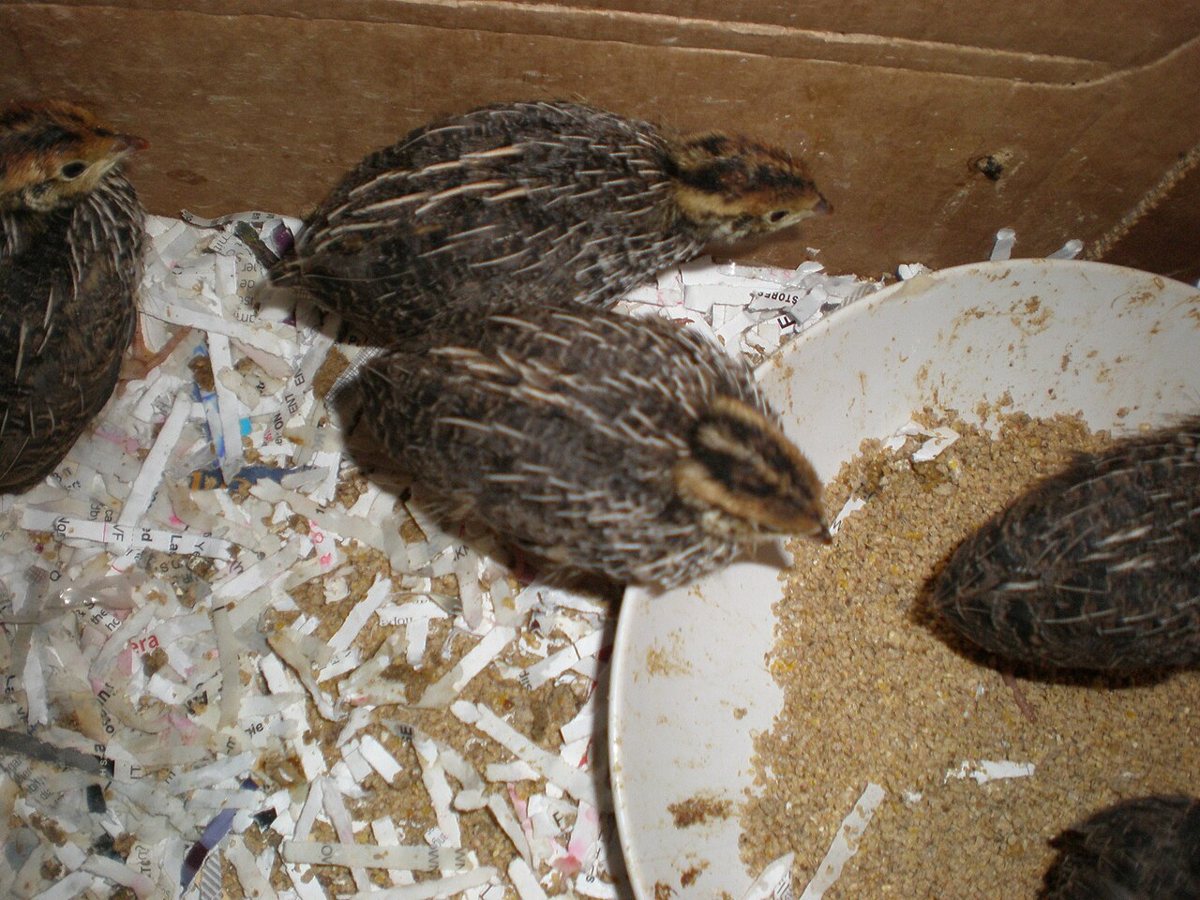

What wild quail eat versus what backyard quail need
Animal Diversity Web (University of Michigan) describes wild Japanese quail eating many kinds of grass seeds, including millet, plus more worms and insect larvae than many other quail, especially in summer. Egg-laying females also eat grit. That mix is high in protein and varied in minerals. A pen of caged birds eating only scratch grains or birdseed misses most of that, which is why seed-only diets lead to poor growth, feather pulling and thin-shelled eggs.
Backyard quail need four things every day:
- A complete feed sized and balanced for their age, available at all times.
- Clean water they can reach easily and cannot drown in.
- Insoluble grit if they eat anything besides crumbles or pellets.
- Extra calcium (oyster shell) for laying hens, offered free-choice.
Feeding coturnix by age
| Age and purpose | Feed type | Crude protein | Calcium | Notes |
|---|---|---|---|---|
| Hatch to 6 weeks | Game bird or turkey starter | 24–26% (Alabama Extension); many keepers use 28–30% | About 0.8–1.3% | Grind crumbles fine for the first 1–2 weeks |
| 6 weeks to market (meat birds, extra males) | Game bird grower or finisher | 17–19% (Alabama Extension) | About 0.7–1% | Many keepers keep meat birds on starter until processing for faster growth |
| Laying hens and breeders | Game bird breeder or layer | 18–20% (Alabama Extension); 20% (NRC) | About 2.5%, plus oyster shell free-choice | Switch over about 2 weeks before laying, mixing old and new feed across a week |
| Non-laying adults and pets | Game bird maintenance or grower | About 16–20% | Under 1% unless laying | Avoid long-term high-calcium layer feed for males |
The National Research Council’s Nutrient Requirements of Poultry (1994), still the standard reference, lists 24% protein for Japanese quail starters and growers and 20% protein with 2.5% calcium for breeders. Alabama Extension adds that fast-growing quail, such as jumbo strains, may need more protein, calcium and phosphorus than random-bred birds. We break down the protein question further in our quail feed protein percentage guide.
Can quail eat chicken feed?
Most chicken starter has about 18–20% protein and most chicken layer feed has 16%, which is below what growing coturnix need. Adults can survive on chicken layer feed, but growth, feathering and laying are usually better on game bird feed. If chicken feed is all you can get, a turkey starter is the closest substitute. Medicated chicken starters are covered in our quail chick care guide, and the full comparison is in can quail eat chicken feed?
How much do quail eat?
Coturnix eat little per bird, but it adds up. ICAR-CCARI, an Indian government research institute that raises Japanese quail, reports these average daily intakes:
| Age | Feed per bird per day |
|---|---|
| Week 1 | About 4 g |
| Week 2 | About 9 g |
| Week 3 | About 15 g |
| Week 4 | About 18 g |
| Week 5 | About 20–25 g |
| Adults | About 25–30 g; up to 30–35 g for heavy strains |
Monthly math for adults: 25–30 g a day × 30 days is 0.75–0.9 kg, or about 1.7–2 pounds per bird per month. A flock of 10 adults goes through roughly 16–20 pounds a month, so a 50-pound bag lasts 2.5–3 months. Expect more waste than that with open dishes; feeders with a lip or small holes help a lot. Feed stays freshest for a few months after the mill date, so buy what you will use in that time and store it dry and sealed against rodents.
How to read a feed tag
- Crude protein (minimum). The headline number. Match it to the table above.
- Calcium (min and max). Around 1% for growing birds, about 2.5–3.5% for layer and breeder feeds.
- Lysine and methionine. Amino acids that matter more than raw protein. Game bird feeds list them.
- Medication. Look for “medicated” and the drug name (often amprolium). Follow the label and any egg or meat withdrawal times.
- Form. Mash or crumbles suit quail. Pellets made for chickens are often too large and need crushing.
- Mill date. Fresher is better; vitamins break down over time.
Water, grit and oyster shell
Quail drink more than you might expect, especially in hot weather and when laying. Provide clean water all day, refreshed at least daily, and keep it in the shade. Nipple waterers and cup waterers keep it cleaner than open dishes.
Grit is small insoluble stone that helps the gizzard grind food. Birds on crumbles alone barely need it, but anything else (greens, seeds, insects) calls for a dish of chick- or quail-size grit. The SPCA’s quail care guidance recommends grit for proper digestion.
Oyster shell gives laying hens extra calcium for shells. Offer finely crushed shell in a separate dish so each hen takes what she needs. Thin or soft shells are the first sign a layer is short. See our guide to oyster shell for quail.
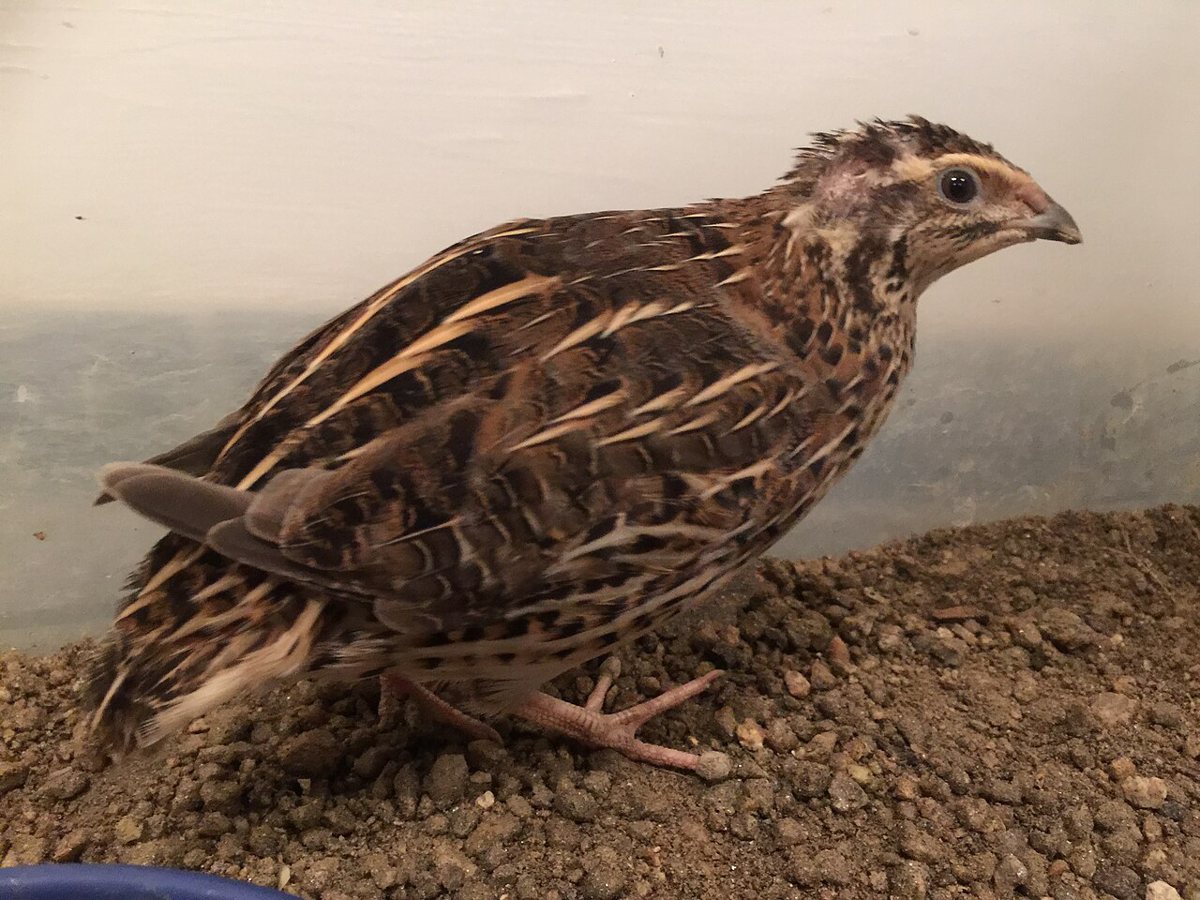

Safe treats and extras (keep them near 10%)
Treats are for enrichment, not nutrition. SPCA New Zealand suggests fresh foods make up about 10% of a quail’s diet. Too many dilutes protein and calcium in the main feed. Commonly fed, safe options include:
| Category | Examples | Tips |
|---|---|---|
| Leafy greens and weeds | Clover, grass, dandelion, lettuce, kale, spinach, sprouts | Chop finely or hang a bunch to peck at; wash off pesticides |
| Vegetables | Cucumber, broccoli, squash, shredded carrot | Raw, chopped small |
| Fruit | Apple (no seeds), berries, watermelon | Small amounts; fruit is sugary |
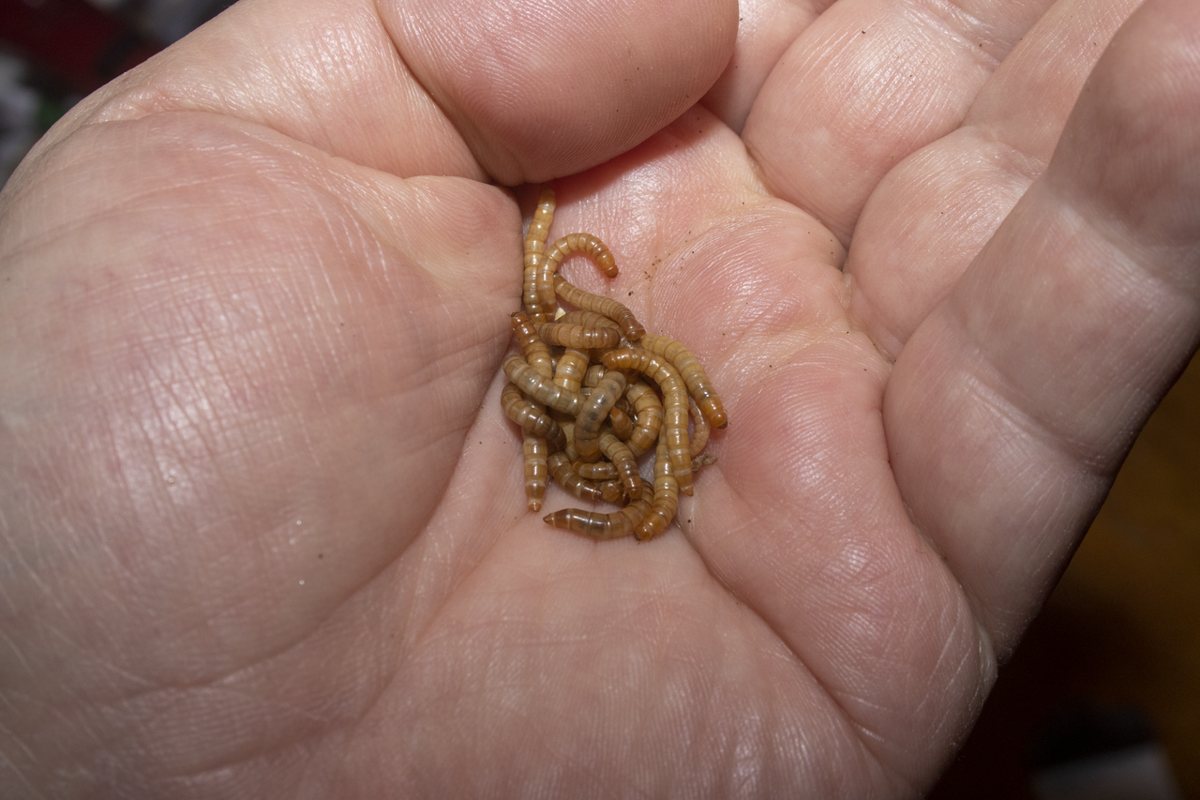
| Insects | Live or dried mealworms, black soldier fly larvae | High protein; a few per bird, more during molt |
| Seeds | White millet, small amounts of crushed sunflower hearts | Provide grit; seeds are low in protein and calcium |

For a much longer A–Z list, see what can quail eat?
What not to feed quail
Most of this list is standard caution shared by poultry keepers and vets. Avocado is the item with the clearest veterinary documentation.
- Avocado (fruit, skin, pit, leaves). The MSD Veterinary Manual lists avocado as causing heart damage in birds; caged birds seem more susceptible than chickens and turkeys. There is no good reason to risk it.
- Moldy or spoiled food, including feed that got wet. Mold toxins harm poultry and mold spores can cause respiratory disease.
- Salty, sugary or greasy leftovers, such as chips, candy and fried food.
- Chocolate, caffeine and alcohol.
- Raw dry beans.
- Large amounts of bread or crackers. Low in nutrition and they fill birds up instead of feed.
Our what not to feed quail guide explains each item and the evidence behind it.
Troubleshooting feeding problems
Not veterinary advice. Diet is a common cause of these problems but not the only one. If birds are sick or losing condition, talk to a veterinarian who treats poultry.
| Problem | Likely diet cause | What to change |
|---|---|---|
| Thin or soft eggshells | Not enough calcium; non-layer feed; too many treats | Switch to breeder/layer feed and offer oyster shell |
| Laying slowed or stopped | Low protein, treats replacing feed, or feed outages | Check feed protein and keep it available all day. Light and age matter too: see why quail stop laying |
| Feather pecking, eating feathers | Protein too low, crowding, boredom | Raise feed protein, add space and cover, offer a few mealworms |
| Slow growth in chicks | Chicken starter or crumbles too big | Game bird or turkey starter, ground fine |
| Feed everywhere, bills full of it | Open dish, birds flicking feed | Feeder with a lip or small holes; fill only partway |
| Wet, sour-smelling feed | Water spills or rain | Move water away from feed; cover feeders |
New to keeping quail? Our main guide to raising coturnix quail covers housing, light and the whole life cycle.
Frequently asked questions
What do quail eat in captivity?
A complete game bird feed is the base, with clean water, grit if they eat anything besides feed, oyster shell for layers and a small amount of greens, vegetables or insects as treats.
What do quail eat in the winter?
Wild quail shift to seeds and grain when insects are scarce. Backyard quail eat the same complete feed year-round, but they eat a little more in cold weather. Make sure water does not freeze.
Can quail eat bread?
A crumb now and then will not hurt, but bread is low in nutrition and fills birds up. It is better left out.
Can quail eat watermelon?
Yes. Watermelon flesh is a safe, hydrating summer treat. Offer small amounts and remove leftovers before they spoil.
Do quail need grit?
Quail eating only commercial crumbles or mash need little grit. If they eat greens, seeds, insects or forage, offer chick- or quail-size insoluble grit free-choice.
Sources
- Alabama Cooperative Extension System. Feeding Game Birds: Pheasant, Quail, and Partridge (ANR-1343).
- National Research Council. Nutrient Requirements of Poultry, Ninth Revised Edition (1994). National Academies Press.
- ICAR-Central Coastal Agricultural Research Institute. Japanese quail: feed consumption and diets.
- Animal Diversity Web, University of Michigan. Coturnix japonica: Food Habits.
- SPCA New Zealand. Caring for Quail.
- MSD Veterinary Manual. Avocado (Persea spp) Toxicosis in Animals.