
Quick answer: Coturnix quail lifespan in captivity is usually about 2 to 3 years. NSW Department of Primary Industries gives a life expectancy of only 2 to 2½ years, and the AnAge ageing database records a maximum of about 6 years for Japanese quail. Signs of ageing show up at a little over one year, and laying and fertility fall well before the bird dies, so most keepers plan on a productive life of about one year per hen.
Quail lifespan in captivity is short compared with chickens, and that surprises many new keepers. A coturnix hen can go from egg to laying in about seven weeks, lay hard for a year, and be an old bird by her third birthday. This guide explains what the research and Extension sources actually say about how long quail live, why “6 years” figures online are maximums rather than averages, how egg-laying and fertility change with age, and what you can do to give your birds a long, healthy life.
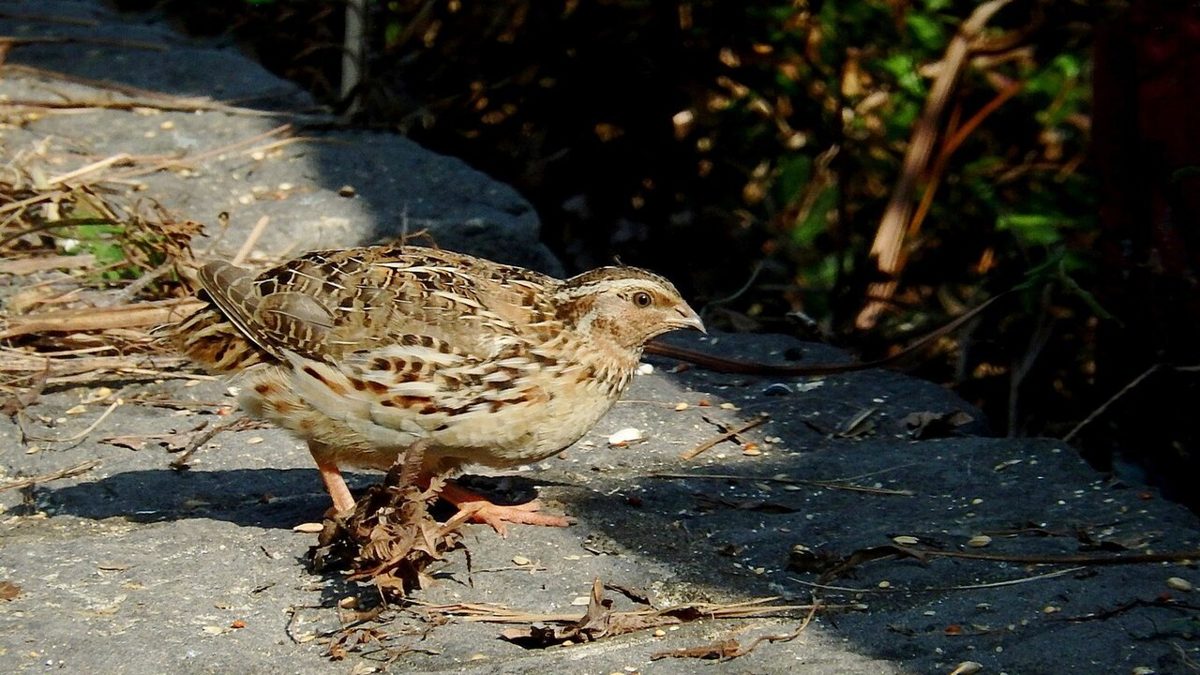

How long do coturnix quail live?
| Measure | Figure | Source |
|---|---|---|
| Typical life expectancy in captivity | 2 to 2½ years | NSW Department of Primary Industries |
| Typical life span in the wild | 2 to 3 years | AnAge database (Human Ageing Genomic Resources) |
| Maximum recorded longevity | About 6 years | AnAge database |
| First visible signs of ageing | A little over 1 year | AnAge database |
| Economic laying life | At least 1 year | Cooperative Extension |
| Age at first egg | About 6–7 weeks; full lay by about 50 days | NSW DPI, ICAR-CCARI |
The useful number for planning is the first one. Most backyard coturnix die or are retired somewhere between their second and third year. A few individuals live much longer, but you should not count on it.
About the “6 years” figure: Some species pages list “6 years” as an average lifespan in captivity. The underlying AnAge entry calls it the maximum longevity, with a medium sample size. Treat it as a record, not a target.
Lifespan by bird type
Line, sex and how hard the birds are pushed all matter. We could not find controlled studies comparing lifespan between jumbo and standard coturnix, so the table below uses what is documented and labels the rest.
| Bird | What to expect | How sure we are |
|---|---|---|
| Standard laying hens on long days | About 2 years; laying drops in year two | Supported by NSW DPI and Extension |
| Hens given a winter break from extra light | Often reported to live a little longer | Keeper reports only; not tested |
| Males kept as pets or breeders | Similar to hens if not fighting | Limited data |
| Jumbo and meat lines | Usually processed at 6–8 weeks, so lifespan rarely matters | Keepers report big lines age faster, but we found no study |
For birds raised for the table, lifespan is a non-issue: our guide on when to butcher quail covers why most are processed at 6–8 weeks.
How quail age: eggs, fertility and body
AnAge describes the Japanese quail as having a well-defined ageing process, with signs of ageing visible at a little over one year of age. In practice, keepers see three changes.
Egg numbers fall. Cooperative Extension says Japanese quail lay economically for at least a year. NSW DPI expects about 200 eggs in a hen’s first year of lay. In the second year most hens still lay, but fewer and less regularly. Our guide to why quail stop laying helps you tell age from other causes.
Fertility drops. NSW DPI says fertility decreases markedly in older birds, and Missouri Extension notes that hatchability and fertility tend to decline yearly as a flock ages. If you hatch your own replacements, collect hatching eggs from birds in their first laying season.
Bodies slow down. Older birds often move less, molt unevenly and may lose condition. These are general signs, and any of them can also mean illness, so check the bird before blaming age.
| Age | What is normal |
|---|---|
| 0–6 weeks | Fast growth; fully feathered by about 4–6 weeks |
| 6–8 weeks | Sexual maturity; hens start laying, males crow |
| 2–12 months | Peak laying and fertility |
| 12–24 months | Laying and fertility decline; first signs of ageing |
| 24+ months | Old age; many birds stop laying entirely |
What shortens a quail’s life
Most quail that die young do not die of old age. The common causes are things you can control:
- Predators and fright. NSW DPI warns that quail are easily startled and can be killed by rough handling. The SPCA notes that startled quail fly straight up, and NSW DPI recommends a solid roof to minimise head injuries when birds take fright. Predator-proof walls matter too; see our quail housing guide.
- Fighting and scalping. Too many males, or crowding, lead to head wounds. Our coturnix behavior guide covers sex ratios and what to do when birds fight.
- Heat. Hot spells can kill penned birds that cannot reach shade. Shade, airflow and cool water matter in summer; see quail heat stress.
- Disease. Coccidiosis, ulcerative enteritis and respiratory infections are the big ones. Our quail diseases guide lists the signs.
- Poor feed. Stale feed loses vitamins. NSW DPI says feed stored longer than 8 weeks is subject to vitamin deterioration and rancidity.
- Crowding. Crowded birds peck more and spread disease faster. Give each bird enough floor space for its size.
How to help your quail live longer
- Feed a fresh, high-protein game bird or layer ration and use it within about 8 weeks of purchase.
- Give enough space and keep the male-to-female ratio sensible, or keep hens only.
- Protect from predators and fright. Cover at least part of the pen, avoid sudden disturbances, and handle birds gently in low light.
- Keep litter dry and water clean. Scrub drinkers often.
- Manage heat. Shade, ventilation and cool water in summer.
- Consider a lighting break. NSW DPI recommends 14–18 hours of light for maximum laying. Some keepers let hens follow natural day length in winter to rest them. This reduces winter eggs; we found no study showing it extends lifespan, so treat it as a welfare choice rather than a proven fix.
- Watch daily. A bird that sits apart, fluffs up or stops eating needs attention the same day.
Planning a flock around a short lifespan
Because laying falls in the second year, many keepers hatch a small group of replacement hens every year. A simple plan:
- Hatch or buy new layers each spring.
- Keep first-year hens as your main layers and breeders.
- Decide early what happens to older hens: some keepers keep them as pets, others process them for the table. Older birds suit slow, moist cooking.
Our beginner’s guide to raising coturnix quail walks through starting and running a flock, and cost to raise quail shows what replacements add to a budget.
Common questions about old quail
| What you see | Likely meaning | What to do |
|---|---|---|
| Fewer eggs at 14–18 months | Normal ageing, or short days | Check light and feed; expect some decline |
| Thin-shelled eggs from an older hen | Age, low calcium or heat | Offer oyster shell; check feed |
| Low hatch rate from older breeders | Fertility decline with age | Breed from first-year birds |
| Older bird sitting fluffed and alone | Illness, not just age | Isolate, check, call a vet if it continues |
Frequently asked questions
How long do coturnix quail live as pets?
Usually about 2 to 3 years. NSW DPI gives 2 to 2½ years as typical; a few birds live longer.
What is the oldest a quail can live?
The AnAge database records a maximum longevity of about 6 years for Japanese quail. That is a record, not a typical age.
How long do quail lay eggs?
Cooperative Extension says Japanese quail lay economically for at least a year. Most hens keep laying in their second year at a lower rate.
Do quail live longer in the wild or in captivity?
AnAge reports that wild Japanese quail generally live 2 to 3 years, similar to well-kept captive birds. Captive birds avoid predators but can be pushed hard for eggs.
Do males or females live longer?
We did not find reliable data comparing the sexes. In practice, males in crowded groups often die young from fighting injuries.
Sources
- Randall, M. and Bolla, G. Raising Japanese Quail. NSW Department of Primary Industries Primefact, republished by The Poultry Site.
- Human Ageing Genomic Resources. AnAge entry for the Japanese quail (Coturnix japonica).
- SPCA New Zealand. Caring for quail.
- Animal Diversity Web, University of Michigan. Coturnix japonica.
- Jacob, J. and McCrea, B. Raising Japanese Quail in Small and Backyard Flocks. Cooperative Extension.
- Missouri Extension. Incubating Eggs (G8353).
- ICAR-Central Coastal Agricultural Research Institute. Japanese Quail.