
Quick answer: Quail not laying eggs is usually down to one of four things: the hens are too young (most start at 6–8 weeks), the days are too short (they need 14–18 hours of light), the feed is wrong (too little protein or calcium, or too many treats), or the birds are stressed by heat, a move or predators. Fix light and feed first; most flocks start laying again within a few weeks.
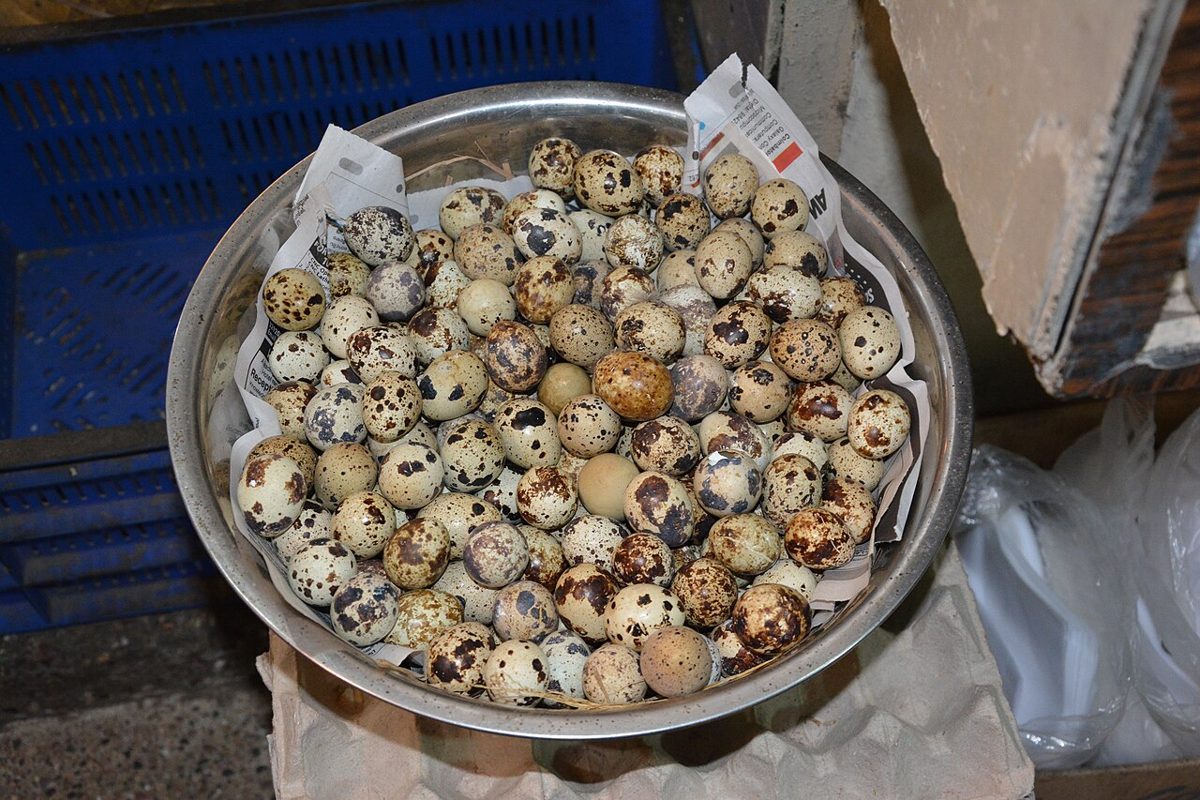
Quail not laying eggs is one of the most common worries for new keepers, and it is almost always fixable. Coturnix are some of the most productive birds you can keep. NSW Department of Primary Industries says hens should lay about 200 eggs in their first year with proper care, and ICAR-CCARI in India reports up to 280–300 eggs a year from well-managed flocks. So when the egg tray stays empty, something in the birds’ setup has changed. Below are the nine most common causes, how to tell which one you are dealing with, and what to do about each.

Quick diagnosis
Start with the cause that matches what you see. Most flocks have one main problem, sometimes two.
| What you notice | Most likely cause | Jump to |
|---|---|---|
| Birds under 8 weeks old | Too young | Cause 1 |
| Fall or winter, no timer on the lights | Short days | Cause 2 |
| Lots of treats, scratch or a chicken or non-layer feed | Diet | Cause 3 |
| Thin or soft shells, or shell-less eggs | Calcium or heat | Causes 3 and 4 |
| Hot spell, birds panting | Heat | Cause 4 |
| New pen, new birds, a predator visit | Stress | Cause 5 |
| Birds over a year old | Age | Cause 6 |
| Broken shells, yolk on beaks | Egg eating | Cause 7 |
| Eggs found days later in the litter | Hidden eggs | Cause 8 |
| Hunched, fluffed or thin birds | Illness or parasites | Cause 9 |
1. They are not old enough
Cooperative Extension says Japanese quail mature in about six weeks and can produce eggs by seven weeks. NSW DPI says they are usually in full production by 50 days. Alabama Extension gives a slightly later window of 7 to 8 weeks, when body weight reaches about 150–160 grams. Strain, feed and light all shift the start date. Birds kept on short days or a low-protein feed can start later.
What to do: wait until at least 8–10 weeks before you worry, and make sure the birds you think are hens really are hens. Our coturnix male vs female guide shows how to check.
2. The days are too short
Light is the single biggest switch for laying. Extension and NSW DPI both say Japanese quail need 14 to 18 hours of light per day to keep laying, and ICAR-CCARI recommends 14–16 hours for laying quail. Natural day length falls well below that from fall to spring in most of the US, which is why so many flocks slow down in October and stop by December.
What to do: put a low-wattage LED on a plug-in timer and add light in the morning so the birds settle naturally at dusk. A simple setting is lights on at 4:30 a.m., off at 8:30 p.m., for 16 hours total. Keep the schedule the same every day; a timer works better than switching it by hand. Give it a few weeks; laying usually returns gradually. Our quail care by season calendar shows when to start the timer each year.
3. The feed is wrong
Laying takes a lot of protein and calcium for a bird this small. NSW DPI says laying diets should contain about 24% protein and 2.5–3.0% calcium. Alabama Extension’s Japanese quail table lists 18–20% protein and 2.5% calcium for adult breeders, and recommends switching to a breeder diet at least 2 weeks before eggs are expected, mixing the change over about a week. The two sources differ on protein, but both are well above a typical 16% chicken layer feed.
Common feed mistakes:
- Treats and scratch crowding out feed. Seeds, bread and scratch grains are low in protein and calcium. Keep treats small.
- Non-layer feed for laying hens. A grower or starter has too little calcium for eggshells. Offer crushed oyster shell on the side.
- Stale feed. NSW DPI warns that feed stored longer than 8 weeks loses vitamins and can go rancid, especially in summer.
- Running out. NSW DPI says dry feed should be available at all times and water must be clean and easy to reach. Empty feeders are an easy setback to avoid.
What to do: feed a game bird layer or breeder ration, keep it available all day, and add oyster shell free-choice. Our guide to what quail eat covers feed types and amounts.
4. It is too hot
Heat cuts feed intake, and less feed means fewer eggs and weaker shells. University of Arizona Extension notes that egg production will likely drop in extreme heat because birds eat less, and that lower intake also lowers calcium and shell quality. A Brazilian study of laying quail summarized earlier research showing good egg production when temperatures stay between about 41°F and 86°F (5–30°C). NSW DPI suggests raising feed calcium to as much as 3.5% in hot weather, when hens eat less.
What to do: give shade, airflow and cool water, and feed in the cooler hours. See our guide to quail heat stress for signs and cooling steps.
5. Stress: a move, new birds or predators
Quail are easily startled. NSW DPI warns that moving laying hens to new quarters can pause production for 2–3 weeks, and advises against introducing new birds into an established group’s territory. NSW DPI also advises avoiding sudden noises and disturbances. Night visits from raccoons, rats, cats or owls are exactly that kind of disturbance, even when no bird is caught.
What to do: plan moves for a time when you can live without eggs, add new birds in a pen that is new to everyone, and check the pen for gaps or signs of animals at night. Our quail housing guide covers predator-proofing.
6. The hens are getting older
Coturnix lay hard but not for long. Extension says they keep laying economically for at least a year. NSW DPI says hens should lay about 200 eggs in their first year and gives a life expectancy of only 2 to 2½ years. Our guide to quail lifespan in captivity explains how laying changes with age. A second-year hen will usually lay noticeably fewer eggs.
What to do: plan to hatch or buy replacement hens every year or so if steady eggs matter to you.

7. The eggs are being eaten
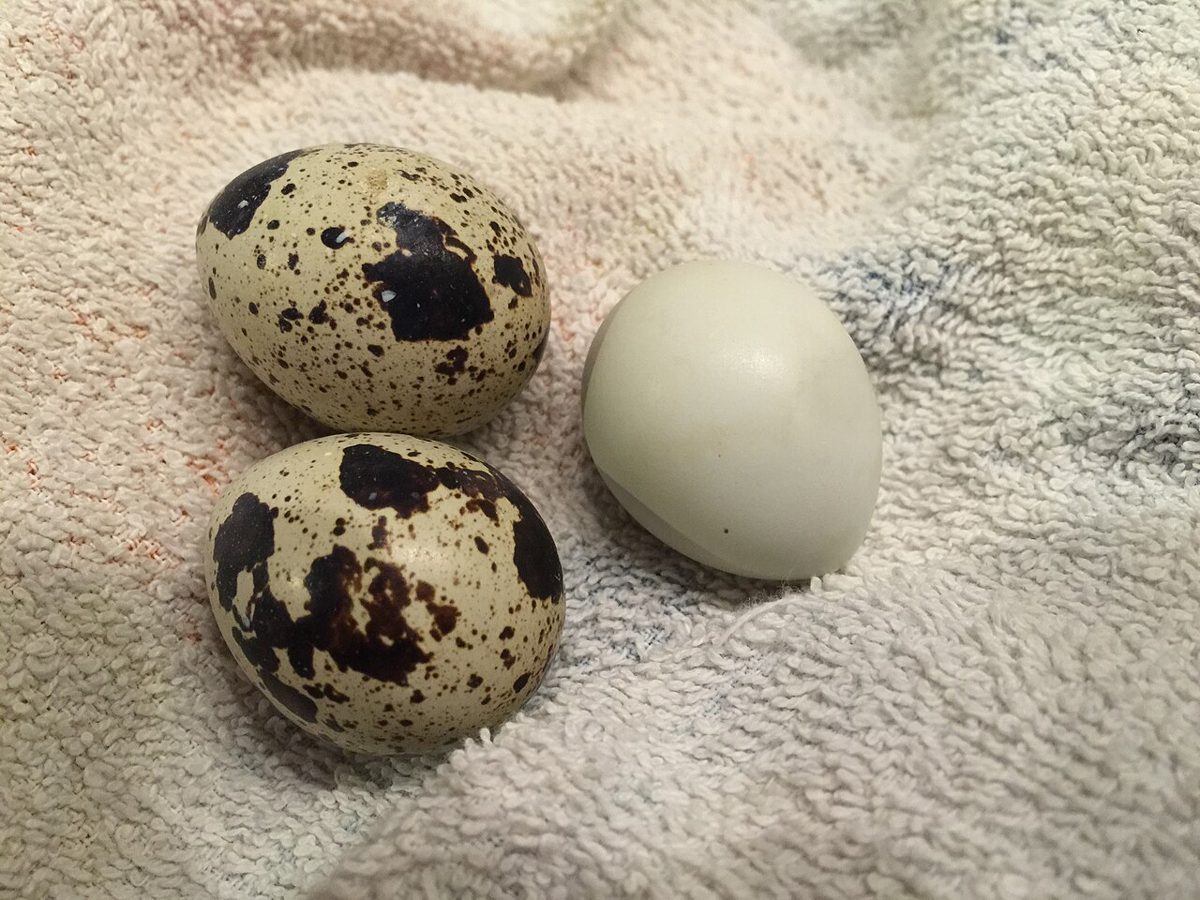
Sometimes the hens are laying but the eggs disappear. Shell fragments, wet yolk on the floor or yolk on beaks give it away. Egg eating often starts with an egg that cracked by accident, then becomes a habit. Crowding and boredom make it worse. Texas A&M AgriLife Extension and NSW DPI both point to more space, lower light intensity and something to peck at as general fixes for pecking problems.
What to do: collect eggs at least twice a day, remove broken eggs at once, and check that hens have enough calcium for strong shells. A cage with a gently sloped floor that rolls eggs out of reach also helps.
8. The eggs are hidden
Extension notes that quail kept in community pens do not build nests and instead hide their eggs in the litter. Ground pens and aviaries with deep bedding can hide days of eggs.
What to do: sift through bedding near walls, under hides and in corners. If you keep finding buried eggs, lay a little less bedding or move layers to a cage.
9. Illness or parasites
Sick birds stop laying early. NSW DPI notes that Japanese quail are fairly disease resistant but can catch common poultry diseases. Watch for hunched posture, fluffed feathers, closed eyes, wet or bloody droppings, breathing noises or weight loss.
What to do: isolate any bird that looks unwell and read our quail diseases guide. If several birds are sick at once, contact a vet who treats poultry.
A one-week reset plan
- Day 1: count birds, confirm hens with a vent check, and note their ages.
- Day 1: set a timer for 16 hours of light.
- Day 1–7: switch to a fresh game bird layer or breeder feed over a few days; add oyster shell; cut treats to a pinch.
- Day 1: check water twice a day and keep it clean and cool.
- Day 2: check the pen at night for predators and gaps.
- Day 3: look over each bird for illness, mites or injuries.
- Weeks 2–4: keep everything steady. Laying usually returns gradually rather than overnight.
Frequently asked questions
Do quail need a male to lay eggs?
No. Hens lay without a male. You only need a male if you want fertile eggs to hatch.
How many eggs a day does a quail lay?
A healthy hen in full lay produces about one egg a day on good days, with some days off. NSW DPI puts first-year production at about 200 eggs, and ICAR-CCARI reports up to 280–300 eggs a year in well-managed flocks.
How long after moving will my quail lay again?
NSW DPI says moving laying hens can pause production for 2–3 weeks. Keep light, feed and water steady to shorten the break.
Why are my quail laying soft or shell-less eggs?
Usually low calcium, a non-layer feed or heat. Offer oyster shell, check the feed label for about 2.5% calcium or more, and cool the pen. A hen that strains without passing an egg may be egg bound.
Will quail lay in winter?
Yes, if they get 14–18 hours of light, steady feed and water that does not freeze. Without added light, most flocks slow down or stop until spring.
Sources
- Randall, M. and Bolla, G. Raising Japanese Quail. NSW Department of Primary Industries Primefact, republished by The Poultry Site.
- Jacob, J. and McCrea, B. Raising Japanese Quail in Small and Backyard Flocks. Cooperative Extension.
- ICAR-Central Coastal Agricultural Research Institute. Japanese Quail.
- Alabama Cooperative Extension System. Feeding Game Birds: Pheasant, Quail, and Partridge (ANR-1343).
- Wright, A. Managing Backyard Chickens During Periods of Extreme Summer Temperature. University of Arizona Cooperative Extension.
- Behavior of Japanese quail in different air velocities and air temperatures. 2017. Pesquisa Agropecuária Brasileira 52(5).
- Thornberry, F. D. Producing Quail for Home Consumption (L-5215). Texas A&M AgriLife Extension.
- Cooperative Extension. Feeding Chickens for Egg Production in Small and Backyard Flocks.