
Quick answer: Quail egg laying age for coturnix (Japanese quail) is about 6–8 weeks. NSW DPI says they mature in about 6 weeks and are usually in full production by 50 days; Cooperative Extension says they can lay by 7 weeks; ICAR gives sexual maturity at 6–7 weeks. Laying only starts on time with 14–18 hours of light a day, a layer-level diet with extra calcium from about 5 weeks, and a settled home. Short days, moving birds or stress can delay the first egg by weeks.
Quail egg laying age is one of the reasons people choose coturnix: hens start laying when chickens are still half grown. But “6 weeks” is a typical figure, not a guarantee. This guide shows what the sources say, what affects the timing, and what to do if your hens are 8 or 10 weeks old with no eggs.
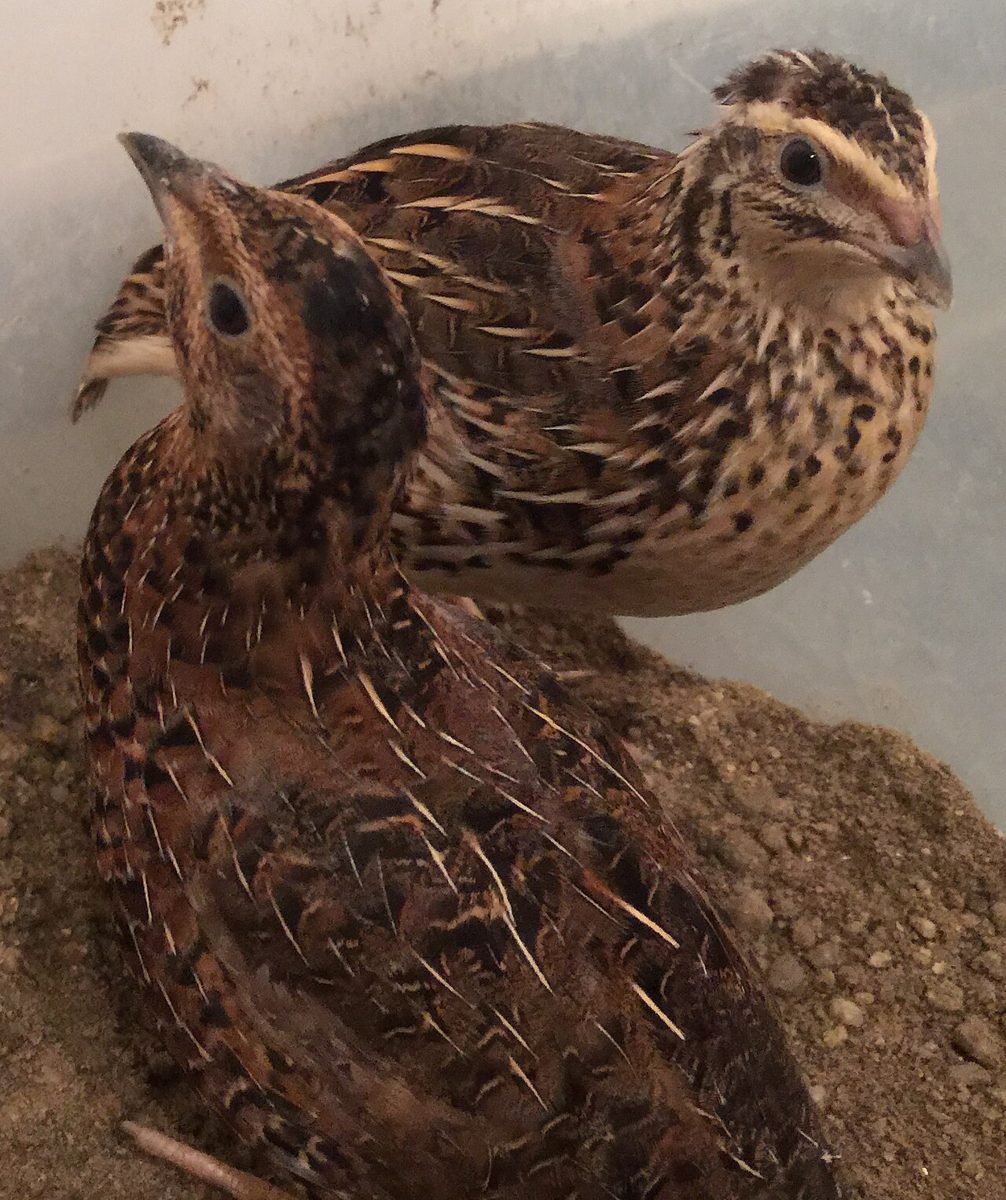

When do quail start laying?
| Source | Maturity / first eggs | Notes |
|---|---|---|
| NSW DPI | Mature in about 6 weeks; full production by about 50 days | Hens should lay about 200 eggs in their first year |
| Cooperative Extension | Mature in about 6 weeks; able to lay by 7 weeks | Lay economically for at least a year |
| ICAR-CCARI | Sexual maturity at 6–7 weeks | 280–300 eggs a year; laying phase from 8 weeks in its housing plan |
So expect the first eggs at around 6–7 weeks and a steady supply by about 7–8 weeks under good conditions. Day 50 is just over 7 weeks.
A typical timeline from hatch to first egg
| Age | What happens | Source |
|---|---|---|
| Weeks 0–3 | Chicks brooded under long light, reduced to about 12 hours by the end of week 3 | ICAR-CCARI |
| Weeks 3–5 | About 12 hours of light is adequate up to 5 weeks | ICAR-CCARI |
| Week 5 | Add shell grit or limestone, or move to a layer-level diet | NSW DPI |
| About week 6 | Birds are sexually mature | NSW DPI; Cooperative Extension |
| Weeks 6–7 | First eggs | ICAR-CCARI; Cooperative Extension |
| About day 50 | Usually in full production | NSW DPI |
| First year | About 200 eggs per hen | NSW DPI |
Raise light to 14–18 hours as the birds approach maturity if you want them to start on schedule. Brooding temperatures for the first weeks are in our brooder temperature chart.
What changes the timing
| Factor | Effect | Source |
|---|---|---|
| Day length | Quail need 14–18 hours of light to keep laying; about 8 hours is not enough to start sexual maturity | NSW DPI; Cooperative Extension |
| Diet | Calcium and phosphorus must rise near maturity; shell grit or limestone from 5 weeks | NSW DPI |
| Moving birds | Hens moved to new quarters can pause 2–3 weeks | NSW DPI |
| Stress, heat, crowding | Slower or interrupted laying | See our heat and space guides |
| Strain | Heavy lines lay fewer eggs in selection studies | See our jumbo vs regular comparison |
Light is the big one. Both NSW DPI and Cooperative Extension use short days deliberately for meat birds: about 8 hours of light is not enough to start sexual maturity, so the birds put energy into growth instead. The flip side is that hens raised through short autumn or winter days without extra light may start late. Our seasonal care calendar covers lighting through the year.
Feed. NSW DPI says laying diets need about 24% protein and more calcium, with shell grit or ground limestone added from 5 weeks or offered free choice. See quail feed protein percentage.
Moving. If you buy started birds at 5–6 weeks, NSW DPI’s note that moved layers can pause for 2–3 weeks applies; expect a delay.
What to do as they approach laying age
- At 5 weeks: switch to a layer-level game bird feed or add oyster shell or grit on the side.
- Set the light: 14–16 hours total, with a timer, to fall within NSW DPI’s 14–18-hour range.
- Give a dark, quiet corner or some cover; SPCA New Zealand notes quail like to lay somewhere dark and do not always make nests.
- Collect eggs at least daily. See our quail eggs guide.
- Separate extra males if you only want eggs; see male vs female coturnix.
No eggs yet? A checklist
| Age | Situation | Check |
|---|---|---|
| 6–7 weeks | No eggs | Normal; wait a little longer |
| 8–9 weeks | No eggs | Light hours, feed type, recent move, heat |
| 10+ weeks | Still no eggs | Confirm they are hens, then work through our not-laying guide |
| Any age | Soft or shell-less first eggs | Calcium source, layer feed |
If hens are well past 9 weeks with no eggs and the light and feed are right, work through why quail stop or do not start laying. Our egg-bound guide covers a hen that strains without laying.
How long will they lay?
NSW DPI expects about 200 eggs in the first year, and Cooperative Extension says hens lay economically for at least a year. Production then falls as hens age.
Frequently asked questions
How old are quail when they start laying eggs?
Coturnix usually start at about 6–7 weeks and are in full lay by about 50 days.
Why are my 8-week-old quail not laying?
Check day length first, then feed, recent moves and heat.
Do quail need a male to lay eggs?
No. Hens lay without a male; you only need males for fertile eggs.
Do jumbo quail lay as well as regular coturnix?
Selection studies found heavy lines lay fewer eggs; our jumbo vs regular comparison has the details. Ask your breeder for typical laying age.
How many eggs does a quail lay per week?
NSW DPI expects about 200 eggs in the first year, which averages close to four a week; ICAR’s figure of 280–300 a year is close to one a day.
Sources
- Randall, M. and Bolla, G. Raising Japanese Quail. NSW Department of Primary Industries Primefact, republished by The Poultry Site.
- Jacob, J. and McCrea, B. Raising Japanese Quail in Small and Backyard Flocks. Cooperative Extension.
- ICAR-Central Coastal Agricultural Research Institute. Japanese Quail.
- SPCA New Zealand. Caring for quail.