
Quick answer: Quail losing feathers is usually caused by one of five things: a normal molt (gradual loss with new pin feathers coming in, often as days shorten), males damaging hens’ backs and heads during mating, pecking from crowding or boredom, mites, or a poor diet. Kansas State Extension’s test is simple: broken, frayed feathers or bare quills point to pecking; new feathers emerging in sheaths point to molt. Fix the cause: fewer males, more space and cover, treat mites on every bird and the housing, and feed a complete game bird ration.
Why are my quail losing feathers? It is one of the first worries for new keepers, and the answer is often harmless. Birds replace their feathers, and hens kept with males get worn backs. But feather loss can also signal crowding, parasites or feed problems. This guide helps you tell them apart and fix each one.
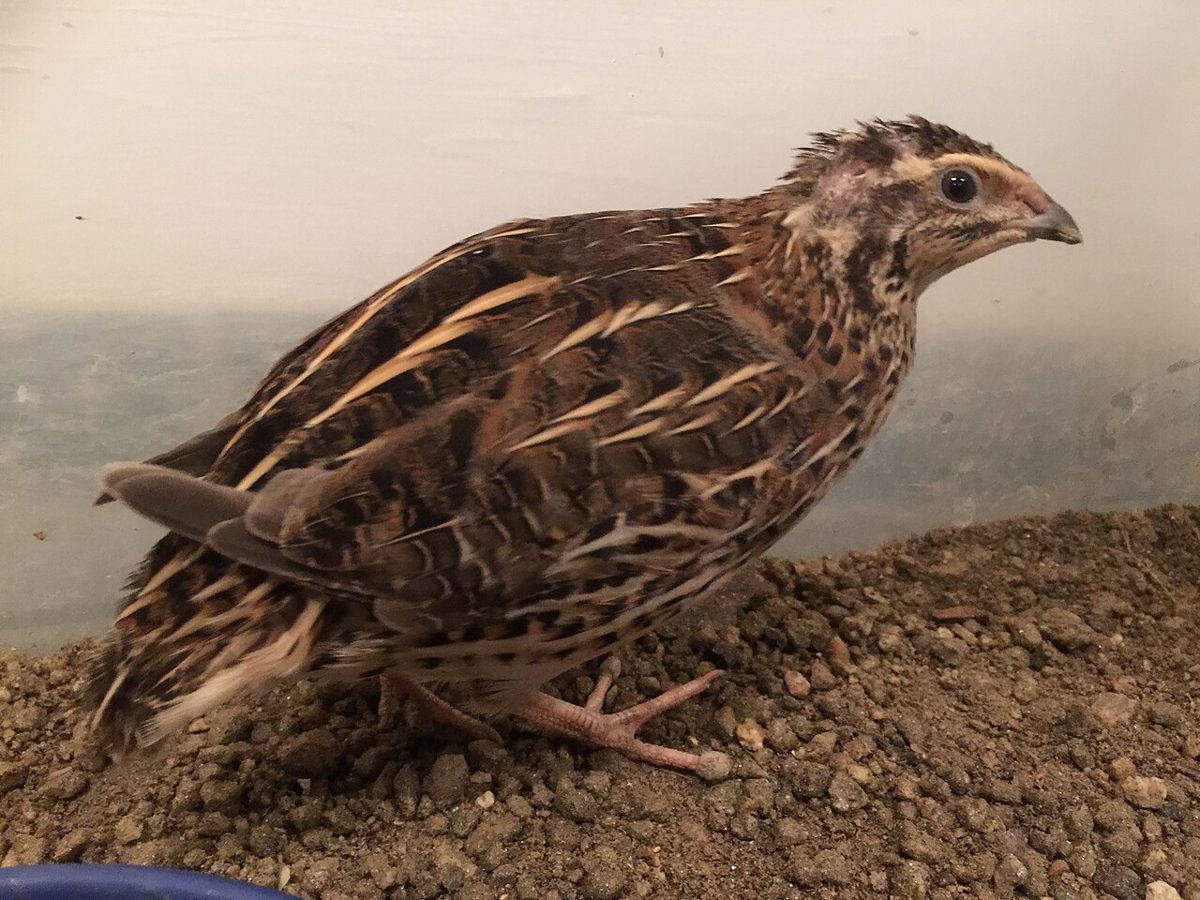

Read the pattern first
| What you see | Likely cause | Next step |
|---|---|---|
| Gradual loss, new pin feathers, fewer eggs | Molt | Feed well; give it time |
| Bare backs and heads on hens only | Mating damage | Check the male ratio |
| Broken, frayed feathers, bare quills, wounds | Pecking | Space, cover, find the bully |
| Dirty, dusty vent area, restless birds | Mites | Inspect at the vent and at night |
| Patchy loss out of season, birds pulling feathers | Depluming mites | Treat the whole flock |
| Poor feathering on young birds, whole flock | Diet | Check feed type and protein |
Kansas State Extension advises first deciding whether feathers are pecked or actually missing: pecked feathers look broken and frayed, sometimes with only the quill left, while molting birds show new feathers emerging from their sheaths.
Molting
Molting is the normal replacement of feathers. Kansas State says it is controlled by hormones regulated by day length, that feathers are lost gradually in a set order (head, neck, body, wings, tail), and that laying hens usually stop laying while they molt. Most of its detail is from chickens, but the same light-driven process applies to quail kept without extra lighting. NSW DPI notes quail need 14–18 hours of light to keep laying, and our quail not laying eggs guide covers the laying pause.
Young birds also change feathers: Kansas State describes chicks fully feathered by 4–5 weeks, a second set by 8–10 weeks and a third as they mature (again chicken data).
Mating damage
Hens kept with males often lose feathers on the back of the head and neck. Kansas State calls this “barebacks” in chickens and says too many or too heavy males make it worse; those males may need to be separated or culled. The RSPCA’s quail guidance says injuries from repeated mating can be reduced by setting up stable groups with the right sex ratio before maturity. Wechsler and Schmid (1998) found serious head injuries in quail groups with two to five males but none with one. Our quail breeding ratio guide gives the numbers.
Pecking and crowding
Kansas State lists boredom and overcrowding as causes, and says reducing stocking density and giving birds something to peck at should help. It also notes that very bright light can increase pecking. NSW DPI warns feather picking and other forms of cannibalism may occur when Japanese quail are kept on wire. The RSPCA recommends cover, litter for foraging and dust bathing, and not mixing established groups. See how many quail per square foot and why are my quail fighting.
Mites
Kansas State’s mite bulletin describes several mites that affect poultry:
- Northern fowl mites live on the bird, mostly in fall, winter and spring, around the vent, which looks dusty or dirty.
- Red chicken mites feed at night and hide in the housing by day, so check birds after dark and clean the house.
- Depluming mites cause birds to pull their own feathers and can look like molting at the wrong time of year.
Treat the whole flock and the housing, and use only products whose label covers poultry, following the label for eggs and meat. A vet or Extension office can identify the mite. Our quail diseases guide lists other skin problems.
Diet
Kansas State notes that an inadequate diet can lead to feather problems, but birds on a balanced commercial ration rarely have poor feathering from feed. For quail, that means a game bird or turkey feed with enough protein; see quail feed protein percentage. Too many treats dilute it; see what can quail eat.
Step-by-step plan
- Look closely at a few birds: new pin feathers, broken feathers, wounds or mites?
- Note who is affected: only hens, one bird, or everyone?
- Count males and measure space.
- Check at the vent in daylight and the pen at night for mites.
- Read the feed tag.
- Fix the main cause and watch for new feathers over the next few weeks.
Frequently asked questions
Do quail molt?
Yes. Like other poultry, quail replace their feathers, and laying slows during a molt.
Why is my quail hen bald on the back of her head?
Usually mating damage from a male. Check how many males you have per hen.
Can mites make quail lose feathers?
Yes. Depluming mites in particular cause feather pulling and loss out of season.
Will the feathers grow back?
Usually, once the cause is removed; Kansas State notes damaged hens regrow feathers shortly or at the next molt.
Should I add protein for molting quail?
Make sure they are on a complete feed with adequate protein rather than lots of low-protein treats.
Sources
- Beyer, R. S. Molting and Other Causes of Feather Loss in Small Poultry Flocks (MF2308). Kansas State University.
- Beyer, R. S. and Mock, D. Eliminating Mites in Poultry Flocks (MF2387). Kansas State University.
- Randall, M. and Bolla, G. Raising Japanese Quail. NSW Department of Primary Industries Primefact, republished by The Poultry Site.
- RSPCA Research Animals Department. Quail: Good practice for housing and care. 4th edition, 2011.
- Wechsler, B. and Schmid, I. 1998. Aggressive pecking by males in breeding groups of Japanese quail (Coturnix japonica). British Poultry Science 39(3):333–339.