
Quick answer: The best quail breeding ratio for coturnix is usually 1 male to 3–5 hens. NSW Department of Primary Industries says one male with two or three females generally gives high fertility, and studies of Japanese quail found fertility held up at ratios from 1:3 to 1:6 and even 1:7. Pairs (1:1) also work well. Wider ratios mean fewer males to feed and less fighting, but watch hens for feather loss and check fertility by candling.
The quail breeding ratio you choose affects fertility, hatch rates, how much your hens get chased and how many males you have to feed. Online advice ranges from 1:1 to 1:7, and the reason is that research actually supports a fairly wide range. This guide lays out what Extension sources and published studies found, how to choose a ratio for your setup, and how to tell if it is working.
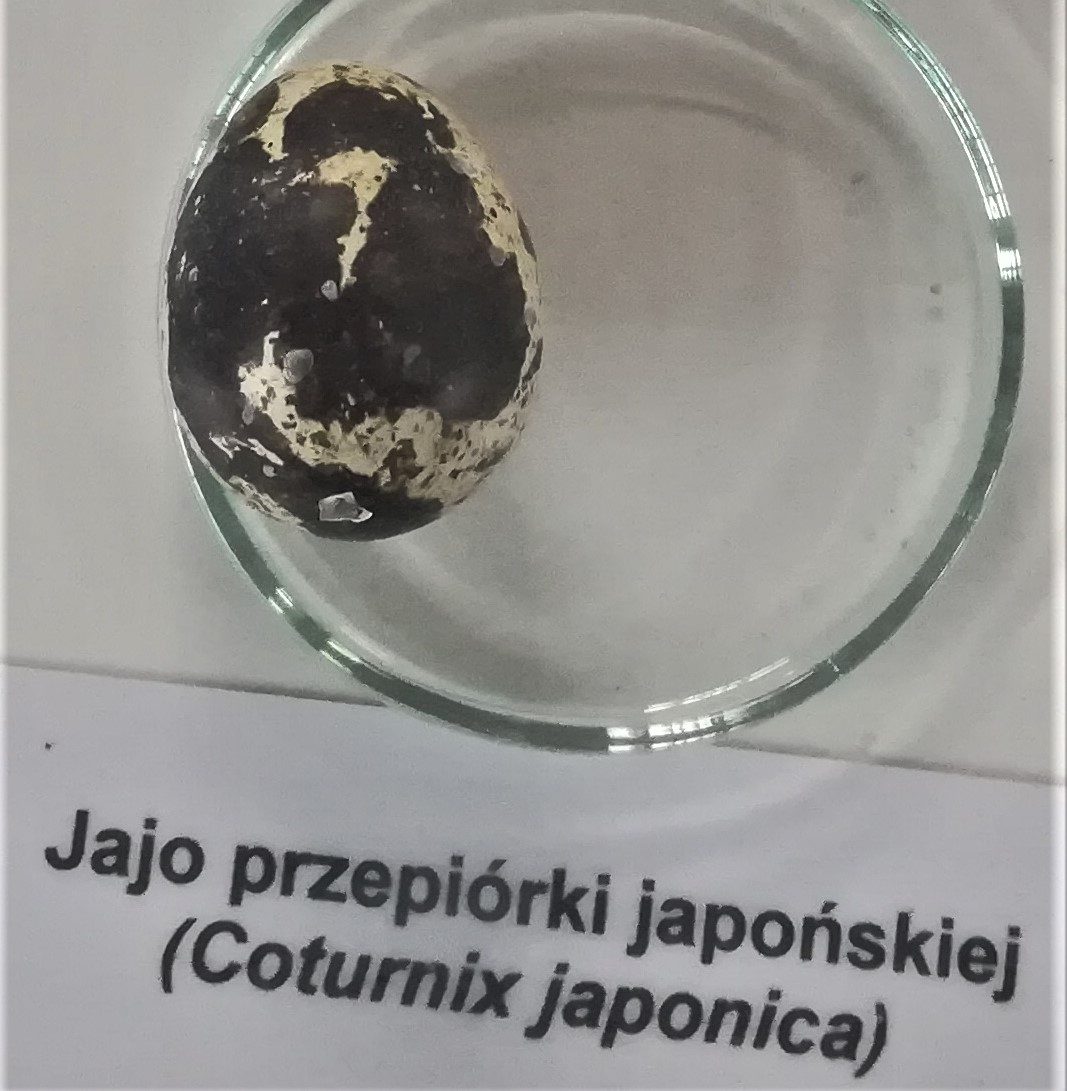

What the sources say
| Source | Ratio(s) tested or advised | Finding |
|---|---|---|
| NSW Department of Primary Industries | 1:2 to 1:3; 1:3 in colony pens; pairs in cages | 1:2–3 gives high fertility; 1:3 reduces fighting in colonies; pairs give good fertility |
| Amrutkar, Leo and Jalaludeen (Indian Journal of Poultry Science) | 1:3, 1:4, 1:5, 1:6 | Fertility 90–93% in all groups; no significant difference; 1:6 recommended as most economical |
| Majhi et al. 2016 (Indian Journal of Poultry Science) | 1:1, 1:3, 1:5, 1:7 | 1:5 had the highest fertility; 1:7 caused no harm to fertility or hatchability |
| Ayoola et al. (Malaysian Journal of Animal Science) | 1:1, 1:2, 1:3, 1:4 | Fertility similar across ratios; hatchability better at 1:1 and 1:2 |
The studies do not agree perfectly, which is normal: they used different lines, ages, cage types and feeds. What they share is that fertility in Japanese quail stays reasonably high across 1:1 to about 1:6, and none found a single “magic” number.
So which ratio should you use?
| Setup | Suggested ratio | Why |
|---|---|---|
| Small colony pen or hutch | 1 male : 3–4 hens | Matches NSW DPI and the colony studies; fewer fights |
| Larger colony with good space | 1 male : 4–6 hens, more than one male only if space allows | Research supports up to 1:6 with good fertility |
| Individual breeding cages | Pairs or trios (1:1 or 1:2) | Pairs give good fertility; easy pedigree records |
| Hens getting bald backs or heads | Widen ratio or rest the male | Too much mating pressure |
| Low fertility on candling | Narrow ratio or replace the male | Male may be old, weak or not mating |
Most backyard keepers settle on 1:4 or 1:5. It keeps fertility good, keeps feed costs down, and spreads mating across enough hens to limit damage. If hens already have bare backs, see why are my quail losing feathers.
Why ratio is not the whole story
Male age and vigor. NSW DPI says fertility decreases markedly in older birds. Majhi and colleagues found the best fertility at 8–9 weeks and the best hatchability at 11–12 weeks of breeder age. Breed from young, active males.
Light. NSW DPI says Japanese quail need 14–18 hours of light a day to maintain maximum egg production and fertility.
Feed. Breeder diets need enough protein and calcium; Alabama Extension recommends moving birds onto a breeder ration at least 2 weeks before eggs are expected. See quail feed protein percentage.
Time together. Missouri Extension notes, for poultry generally, that good fertility can be expected within about four days of introducing vigorous males, and that fertile eggs may continue for some days after males are removed. Wait about a week after setting up a new group before collecting hatching eggs.
Relatedness. NSW DPI warns that inbreeding increases abnormalities and greatly reduces reproductive performance. Bring in unrelated males every few generations.
How to set up a breeding group
- Pick birds at about 8–12 weeks, healthy and of good size. Our male vs female guide shows how to sex them.
- Put hens in first, then add the male, so he enters their space.
- Give enough room. Crowding increases fighting; see how many quail per square foot.
- Wait about a week, then start collecting eggs for hatching.
- Store eggs properly. NSW DPI recommends about 15°C (59°F) and setting within a week.
- Candle at about days 7–10 of incubation to check fertility. Speckled shells make it harder, so use a bright light in a dark room. Our quail incubation guide explains candling.
Is your ratio working?
| What you see | What it means | What to do |
|---|---|---|
| Most eggs fertile on candling | Ratio and male are fine | Keep going |
| Many clear eggs | Low fertility | Check male age and activity; narrow ratio; check light |
| Hens with bare backs or scabbed heads | Too much mating or a rough male | Widen ratio, add hens, or rest the male |
| Males fighting | Too many males or too little space | One male per pen, or more space and visual barriers |
| Good fertility but poor hatch | Incubation or storage problem | See incubation settings |
Colony pens vs breeding cages
NSW DPI describes both systems, and each suits a different keeper.
| System | How it works | Good for | Watch out for |
|---|---|---|---|
| Colony pen | One male with several hens in a larger pen or hutch | Simple backyard flocks; natural behavior | You cannot tell which hen laid which egg |
| Breeding cage | One pair or trio per small cage | Line breeding, color projects, pedigree records | More cages; hens get all of one male’s attention |
| Rotating males (keeper practice) | Males moved between hen cages on a schedule | Spreading one good male’s genes | Extra handling; quail are easily stressed |
If you are breeding for size or color, records matter. NSW DPI suggests recording hen numbers on eggs, incubating them in groups and permanently marking chicks at hatch, which helps you avoid pairing close relatives later. For a simple egg-and-meat flock, a colony pen at 1:4 or 1:5 is usually all you need.
Managing extra males
Every hatch gives you about half males, and you will need only a few. Options include keeping a “bachelor” pen on short days (Cooperative Extension and NSW DPI both recommend about 8 hours of light for birds you are not breeding, which slows maturity), processing them for the table (see when to butcher quail), or rehoming. Our coturnix behavior guide covers fighting and how to keep males calm.
Frequently asked questions
How many hens per male quail?
Usually 3 to 5. NSW DPI recommends 2 to 3 for high fertility and 3 in colony pens; studies found fertility held up to 1:6 or 1:7.
Can I keep one male with one female?
Yes. NSW DPI says pair matings in individual cages give good fertility. Pairs make it easy to track parentage, but the hen gets all of the male’s attention, so watch her for feather loss.
Can two males live with a group of hens?
Sometimes, in a large pen with plenty of hens and cover. In small hutches, two males usually fight. One male per group is safer.
How do I know if my quail eggs are fertile?
Candle them after about 7–10 days in the incubator with a bright light in a dark room. Fertile eggs show veins and a dark mass; clear eggs stay bright.
At what age can quail breed?
Coturnix mature at about 6 weeks. Majhi and colleagues found peak fertility at 8–9 weeks, so wait a couple of weeks after the first eggs before collecting for hatching.
Sources
- Randall, M. and Bolla, G. Raising Japanese Quail. NSW Department of Primary Industries Primefact, republished by The Poultry Site.
- Amrutkar, S. A., Leo, J. and Jalaludeen, A. Influence of mating ratio on fertility and hatchability in Japanese quail. Indian Journal of Poultry Science 48(2): 145–148.
- Majhi, B. et al. (2016). Effect of age and mating ratio on fertility and hatchability of Japanese quail in the coastal climate of Odisha. Indian Journal of Poultry Science 51.
- Ayoola, A. A. et al. Effect of mating ratio on the laying performance, hatching characteristics, feeding and housing cost of Japanese quails. Malaysian Journal of Animal Science.
- Missouri Extension. Incubating Eggs (G8353).
- Alabama Cooperative Extension System. Feeding Game Birds: Pheasant, Quail, and Partridge (ANR-1343).
- Jacob, J. and McCrea, B. Raising Japanese Quail in Small and Backyard Flocks. Cooperative Extension.