
Quick answer: Coturnix can be enjoyable backyard birds, though they are not lap animals. Coturnix are small, reasonably quiet if you keep hens only, and they start laying in about 6–8 weeks, so you get eggs quickly. They also startle easily, flush straight up, carry the same germs as other poultry, and are legally treated as livestock in many towns. If you want a cuddly companion, a quail is a poor fit. If you want a compact egg bird you can watch and care for daily, they can be a good “pet livestock” choice.
People type do quails make good pets because the birds look small and almost toy-like in photos. The honest answer depends on what you mean by pet. Coturnix japonica, the Japanese quail sold to backyard keepers, was bred for eggs and meat, not for sitting in a lap. Many birds will take treats from a hand and get used to a calm keeper, and some become quite tame. They still prefer the ground, the flock, and a place to hide. The breakdown below weighs the real pros and cons, the legal and health limits, and how to set up a flock if you decide they are right for your household. For the species basics, start with raising coturnix quail and quail vs chickens.
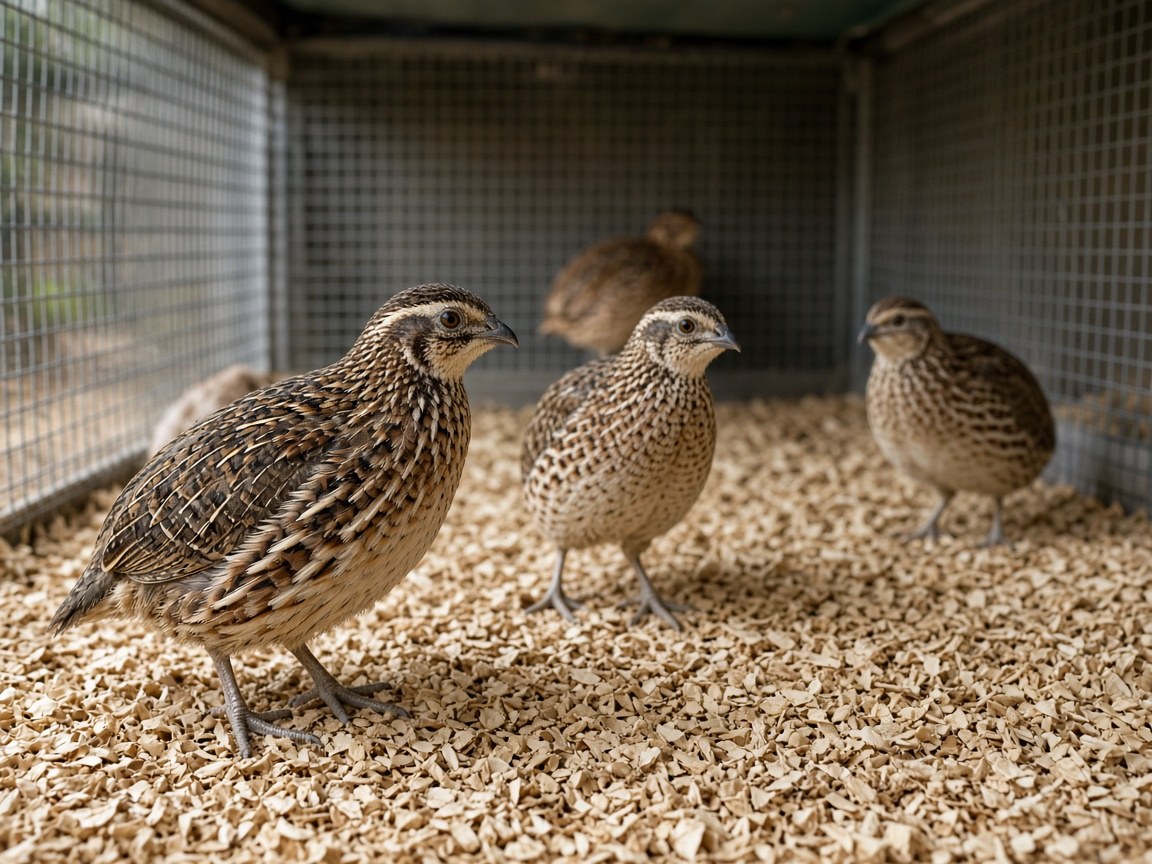
What “pet” actually means for quail
A dog or cat lives in the house, looks to you for company, and can be handled often. A backyard quail lives in a covered pen, feels safest with other quail, and is easily stressed by grabbing. That does not make the bird unsocial. Japanese quail have a large call repertoire, they dust bathe, and they are interesting to watch. It does mean your job is more like a small-flock keeper than a pet owner.
Compare the two jobs:
| If you want… | Coturnix usually | Better choice |
|---|---|---|
| A bird that sits on your shoulder | Rarely, and forcing it stresses them | A species actually bred as a companion bird |
| A compact source of fresh eggs | Yes; hens often lay at 6–8 weeks | Coturnix, if legal where you live |
| A quiet backyard animal | Hens are fairly quiet; males crow | Hens only, and check local rules |
| A project for very young children | Risky without close adult supervision | Wait; poultry can carry Salmonella |
| A long-lived companion | Shorter than a parrot or even many dogs | See quail lifespan in captivity |
NSW Department of Primary Industries notes that hens usually begin laying at 6–8 weeks and that Japanese quail are often kept for egg production in small yards. Cooperative Extension and the CDC, though, treat backyard poultry as farm animals with biosecurity and food-safety rules, not as indoor pets.
The case for keeping them
The advantages are real, and they are why so many first-time keepers pick coturnix over chickens.
- They are small. A sensible starter group of hens fits in a backyard hutch that would be tight for even a few hens of a large chicken breed. Space planning is covered in how many quail per square foot and how many quail you should start with.
- They grow and lay fast. You see adult behavior and eggs in a couple of months, not half a year.
- Hens are reasonably quiet. They chirp and trill. They do not crow. If noise is your worry, keep a hens-only flock; see quail rooster crow and quail noises and meanings.
- They are interesting to watch. Dust baths, foraging, and flock order give you something to look at every day, even if you never pick a bird up.
- The daily chore list is short. Feed, water, egg collection, and a quick look at the birds often take 10–20 minutes for a small group, plus a weekly clean. The routine is spelled out in the daily care routine.
None of those points requires you to treat the bird as a stuffed toy. Enjoying them as livestock you care for well is a perfectly good reason to keep them.
The honest drawbacks
They fly in short, sudden bursts. A startled coturnix flushes straight up. An open-top run is an escape and a head-injury risk. You need a covered pen, not a chicken-style pop hole into the yard. See can quail fly and why quail jump straight up.
They are prey animals. Grabbing a bird from above feels like a hawk strike. Tame birds still startle. Handle them low, calmly, and only when you need to.
Males add noise and fights. A mature male’s three-part crow carries across a small yard. Extra males also fight. If you do not need fertile eggs, skip males. If you do, keep a sensible ratio; see quail breeding ratio.
The legal picture is not the same as “pets.” Many cities, counties, and HOAs regulate poultry. A “no roosters” rule may still allow or ban quail, and some ordinances include any crowing bird. Check before you buy, using is it legal to keep quail.
They can spread germs to people. The CDC’s backyard-poultry advice is clear: healthy-looking birds can carry Salmonella and other germs. Wash your hands after chores, keep birds out of the kitchen, and supervise children. This is also why quail are a poor bedroom pet. See quail diseases to humans.
Lifespan is shorter than many people hope. Laying hens are often kept for a year or two of useful production; pets may live longer, but this is not a 15-year parrot. Our lifespan guide summarizes what published sources actually report.
Housing and handling if you keep them as companions
A “pet” setup is still a livestock setup:
- A covered, predator-proof hutch or aviary with about 1 square foot per adult, more if you can give it. Mid-height hard roofs are a scalping risk.
- A complete game bird feed, clean water, and a dust bath. Treats stay near 10% of the diet.
- Daily checks and a regular cleaning routine so ammonia does not build up.
- Calm, brief handling when needed: two hands, bird held close to your body, never by one leg.
- No free-roaming in the house. Droppings, escape, and food-safety rules all argue against it.
If you want birds that tolerate people, spend time near the pen, talk quietly, and offer a few mealworms from a dish, not from a chasing hand. Some keepers hand-tame a bird; many flocks do better if you enjoy them without forcing contact.
Frequently asked questions
Can I keep a single quail as a pet?
It is a lonely life for a flock species. Keep at least two or three, and prefer hens if noise matters.
Can quail live in the house?
It is a bad idea. They need a dust bath, they flush when startled, and the CDC recommends keeping poultry out of areas where you prepare food. A garage or spare room with a proper enclosure is a different question from a living-room cage.
Are button quail better pets than coturnix?
Button quail are even smaller and are sometimes kept in indoor aviaries, but they are a different species with their own needs. Do not assume a button-quail care sheet applies to coturnix, or the reverse. See button quail vs coturnix.
Will my quail bond with me?
Some birds get used to one person and will take food from a hand. That is habituation, not a dog-like bond. It is still rewarding if you meet the bird on its terms.
Are quail good pets for children?
Only with an adult doing the real care and hygiene. Small children should not cuddle poultry or handle chicks and then touch their mouths. The CDC is explicit about this risk.
Sources
- Randall, M. and Bolla, G. Raising Japanese quail. NSW DPI, via The Poultry Site (laying age, small-yard egg production, flighty behavior).
- Raising Japanese Quail in Small and Backyard Flocks, Jacob and McCrea, Poultry Extension.
- CDC. Backyard Poultry and Backyard Flock Owners and Bird Flu (hygiene, no birds in food areas, child supervision).