
Quick answer: For most U.S. backyard keepers who want eggs, how many quail should I start with is 8 to 12 coturnix hens. That size fills a carton every few days without overflowing one cage. Add one male only if you want fertile eggs. For a first meat grow-out, 20 to 25 chicks is a more useful start, because some will be smaller and you will eat several at a time. Check city and HOA rules first, and do not bring birds home until housing, a brooder and the right feed are ready.
How many quail should I start with depends on why you are keeping them, how much space and time you have, and whether local rules cap the flock. Coturnix (Japanese) quail grow and lay fast, so a small group already produces a lot. Starting too small leaves you short when a hen pauses or a bird dies. Starting too big, before the cage and daily routine are solid, is a common reason new keepers get overwhelmed. This guide walks through starter numbers for eggs, meat, dual-purpose and pet flocks, then the space, legal and equipment limits that should cap the count.
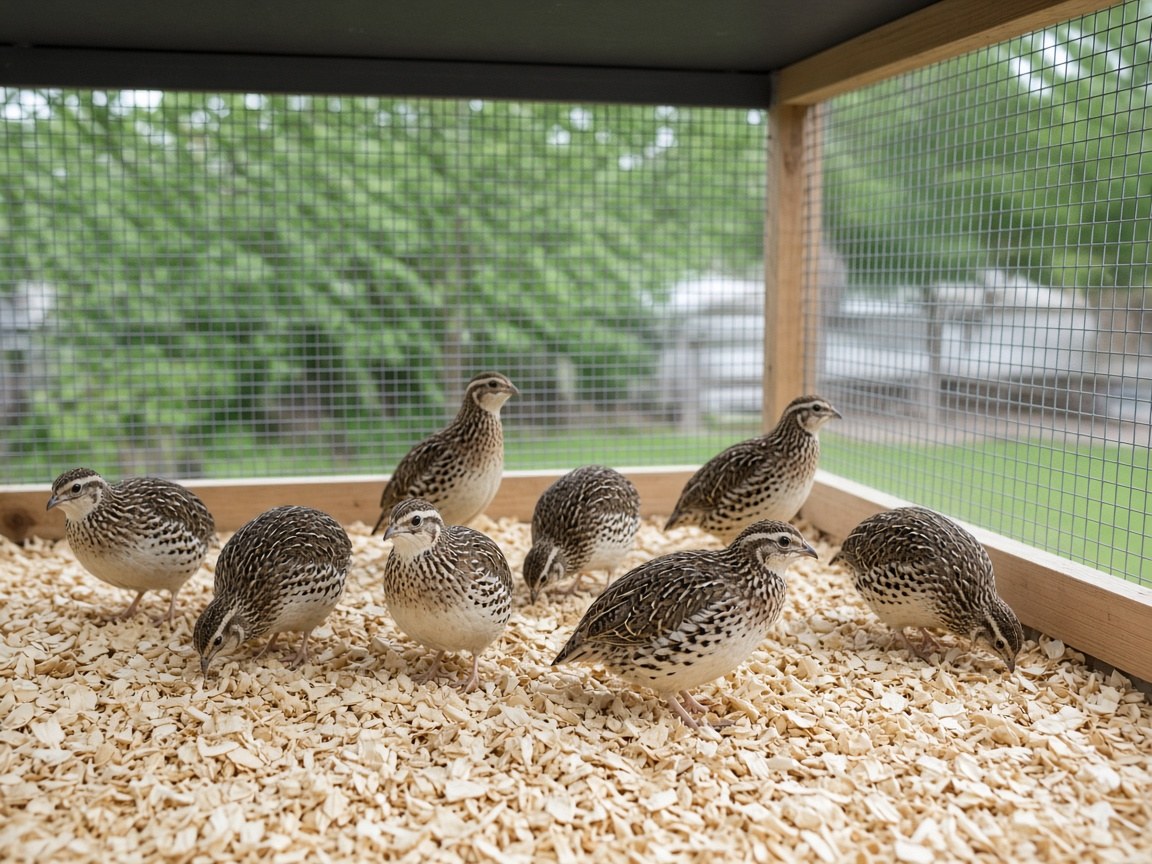
A practical starting number by goal
Cooperative Extension notes that Japanese quail mature in about six weeks and can be in full lay by about seven weeks, and NSW Department of Primary Industries (Randall and Bolla) reports that well-kept hens should lay about 200 eggs in their first year. They also put life expectancy at only 2 to 2½ years, so a starter flock is not a decade-long commitment. Use those figures to size the first group, not a guess from chicken math.
| Goal | Starter flock | Why this size works |
|---|---|---|
| Eggs for one or two people | 8–12 hens, no male | A carton every few days; quieter; no fertility needed |
| Eggs plus occasional hatching | 8–12 hens and 1 male | Matches the usual quail breeding ratio of about 1 male to 3–5 hens |
| Eggs for a family of four | 16–24 hens | More eggs for cooking and sharing; split across two pens if needed |
| First meat grow-out | 20–25 straight-run chicks | Several meals once they reach butchering age; extras cover early losses |
| Dual-purpose (keep layers, harvest extra males) | 16–20 straight-run chicks | Keep the hens; process surplus males rather than crowding them in |
| Pets or a learning flock | 6–8 hens | Enough company for the birds, still easy to handle and watch |
Six birds is the usual absolute minimum worth starting with. Coturnix are flock animals, and a pair or a trio looks charming until one bird is lost or a single male over-mates the hens. Ten is the number many first-time egg keepers land on, because it fits a common commercial or DIY cage and still leaves room to add or remove a bird later.
How many eggs or meals that actually means
Hens do not each lay an egg every single day for a year. NSW’s 200-egg first-year figure is about a little over half an egg per hen per day once you average the pauses, molt and shorter winter days. A practical planning range for a well-lit, well-fed adult flock is 5 to 6 eggs per hen per week in the first months of lay, then less as the year goes on. Our quail egg production per year guide breaks down what changes that number.
| Hens | Rough weekly eggs (early lay) | Rough first-year carton count (12 eggs) |
|---|---|---|
| 8 | 40–48 | About 11 dozen |
| 12 | 60–72 | About 16–17 dozen |
| 24 | 120–144 | About 33 dozen |
For meat, a regular coturnix is a small carcass. Texas A&M AgriLife Extension reports that a meat quail dresses out at about 72% of live weight, and a standard adult is much smaller than a jumbo or Texas A&M bird. Plan on two quail per adult diner for a regular-sized bird, or one jumbo bird for a lighter eater. That is why a first meat batch of 20 to 25 chicks is more useful than six. See when to butcher quail and quail meat yield for the weight math.
Space, noise and legal limits come first
Do not pick a number and then try to squeeze it into a leftover rabbit hutch. The flock size should shrink to fit the legal limit, the floor space and the neighbors.
- Law and HOA. Cities, counties and homeowners’ associations treat quail differently. Some allow them where chickens are banned; some cap the count or ban roosters (males). Read is it legal to keep quail for your state and city before you order chicks or eggs.
- Floor space. A widely used backyard planning figure, covered in our how many quail per square foot guide, is about 1 square foot per adult coturnix, with more for jumbo lines. A 2-by-4-foot cage comfortably holds about eight adults, not 16.
- Males and noise. Male coturnix do not crow like a rooster, but they do call, especially at dawn. One male in a breeding group is usually enough. Extra males fight and add noise, which is a poor way to start in a suburb.
- Time. A small adult flock is a short daily job: feed, water, egg collection and a quick health look. The heavy work is the first five weeks in the brooder and any deep clean. If you cannot do those reliably, start smaller, not larger.
Order housing and a brooder before the birds. Extension sources on Japanese quail stress that the first weeks decide whether chicks get a good start, and that young quail escape through very small gaps and can drown in shallow water.
What to buy: chicks, adults or hatching eggs
The starter number also depends on what you bring home.
| Starting stock | Best starter count | Trade-off |
|---|---|---|
| Day-old chicks | 10–25, depending on goal | Cheapest per bird, but you must brood them for several weeks |
| Started or adult hens | 8–12 | Fastest eggs; costs more; still quarantine new quail for 30 days |
| Hatching eggs | A full incubator setting (often 24–48 eggs) | Hatch rate is never 100%; plan to brood however many hatch |
Straight-run chicks are a mix of males and females. If you only want layers, expect to rehome or process roughly half the group, or start with sexed hens if a hatchery offers them. Sexing day-old coturnix is not reliable on most color varieties; Pharaoh-type birds can often be feather-sexed a few weeks later, as covered in coturnix male vs female.
A first-week setup checklist before you pick a number
- Confirm local rules and any HOA limits.
- Build or buy housing that already meets the space and predator rules in the quail housing guide.
- Set up a brooder if you are starting with eggs or chicks, including heat, a safe waterer and 24–28% protein game bird or turkey starter.
- Buy feed and a backup waterer before the birds arrive.
- Decide now what you will do with extra males.
- Only then choose the count from the table above.
If you want a full walk-through of daily care after the birds are home, use the raising coturnix quail beginner guide and the list of quail beginner mistakes. For a clear-eyed look at money, see is raising quail worth it and how much it costs to raise quail.
Troubleshooting a starter flock that already feels like the wrong size
| Problem | Likely cause | What to do |
|---|---|---|
| Eggs still short after a month of lay | Too few hens, short day length, or young birds just starting | Add light to 14–18 hours, as Extension recommends for laying Japanese quail; do not add birds until housing allows it |
| Fighting, bald heads, noisy calls | Too many males, or the pen is too tight | Remove extra males; give closer to 1 square foot each |
| One or two deaths right after arrival | Shipping stress, chilling, or no quarantine | Stop adding birds; review chick brooding and quarantine |
| Neighbors complain | Male calling, odor, or a visible messy pen | A hen-only flock is quieter; clean more often; check the ordinance |
| You are skipping daily chores | The flock is bigger than your routine | Rehome or process down to 8–12; a well-kept smaller flock outperforms a neglected large one |
Frequently asked questions
Can I start with just two or three quail?
You can, but it is a fragile plan. Coturnix do better in a small group, and losing one bird leaves a pair or a single. Six to eight hens is a safer floor for a first flock.
Do I need a male in my starter flock?
Not for eggs you plan to eat. Hens lay without a male. Add one male only if you want fertile eggs to hatch. Our guide to whether quail need a rooster to lay eggs explains the difference.
Is 50 quail a good first flock?
Usually not. Fifty birds need more housing, more feed storage and a faster processing or sales plan than most beginners have. Start with a cage you can clean well, then add a second group once the routine is easy.
Should I start with jumbo coturnix or regular size?
For eggs and a first learning flock, regular or Pharaoh-type birds are easier to house. Jumbos need more space and more feed. Compare lines in jumbo coturnix vs regular before you order.
How soon can I add more quail after I start?
After the first group is eating, laying and healthy in finished housing, and after any new birds have been quarantined. Adding a few hens is simpler than adding males.
Sources
- Raising Japanese Quail in Small and Backyard Flocks, Jacquie Jacob, University of Kentucky, and Brigid McCrea, Delaware State University, Poultry Extension.
- Randall, M. and Bolla, G. Raising Japanese quail. NSW Department of Primary Industries, via The Poultry Site (maturity, 200-egg first year, lifespan).
- Texas A&M AgriLife Extension. Quail Production for Home Consumption (dressing percentage).