
Quick answer: In most of the US, keeping a few coturnix (Japanese) quail is legal, but no single national law says so. Whether it is legal to keep quail at your address depends on three layers: your city or county code (many treat quail as poultry or “fowl”, with bird limits and permits), your HOA or lease, and your state wildlife agency. Native quail such as bobwhite often need a state game-breeder license; coturnix usually do not, but Florida, for example, counts coturnix as game birds and exempts only 100 or fewer kept for personal use. Check all three before you buy birds.
Is it legal to keep quail in your backyard? Usually yes for coturnix, but “usually” is not good enough when a neighbor complains. Quail fall between categories: some cities lump them with chickens, some list them by name, some ignore them, and state wildlife agencies care mainly about native game birds. This guide shows where the rules live, what real agencies and cities say, and a step-by-step way to get a clear answer for your address.
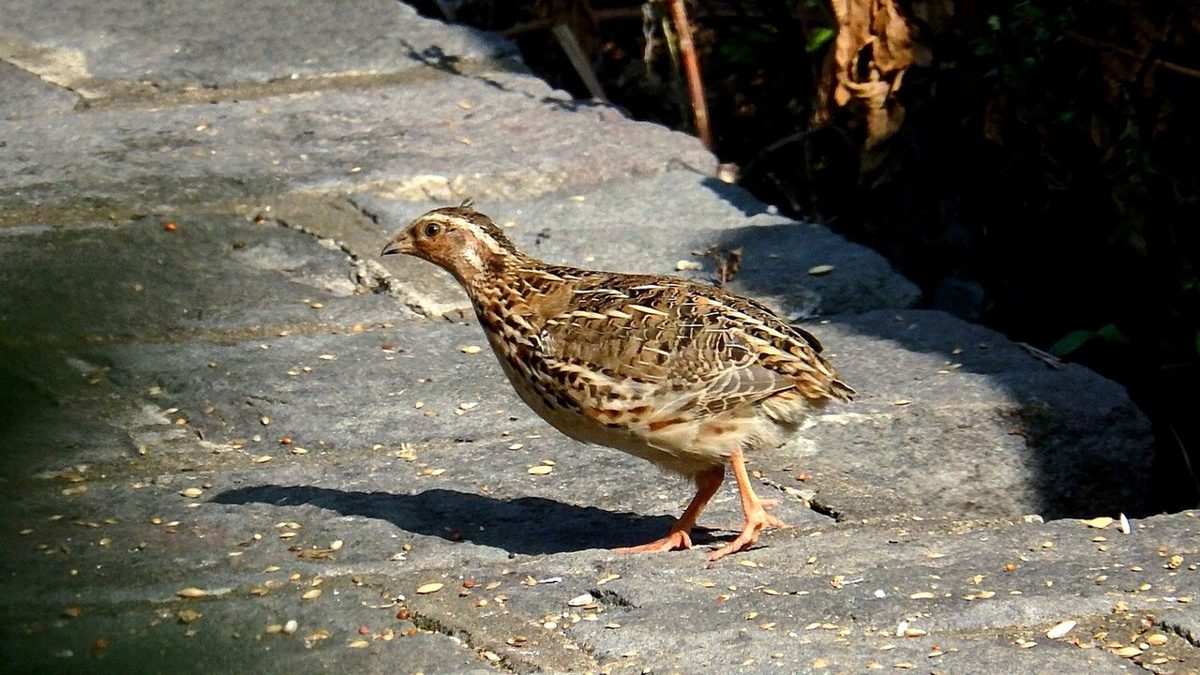

The three layers of quail rules
| Layer | Who sets it | What it usually covers |
|---|---|---|
| City or county code | Zoning or animal-control ordinances | Whether fowl are allowed, how many, permits, setbacks, noise, sanitation |
| Private rules | HOA covenants, leases | Can ban poultry outright, even where the city allows it |
| State wildlife and agriculture | Wildlife agency, department of agriculture | Native game birds, release, selling birds or eggs, disease rules |
A “yes” at one layer does not override a “no” at another. A city permit does not help if your HOA bans poultry, and a state that does not regulate coturnix does not stop your city from limiting birds.
What state wildlife agencies say about coturnix
Coturnix are not native to North America, so most wildlife agencies treat them differently from native quail. Here is what four agencies say on their own pages:
| State | Coturnix (Japanese) quail | Native quail |
|---|---|---|
| California (CDFW) | Not managed as a game bird and not listed under the Domesticated Game Breeder’s License; check local codes and zoning | Mountain, California and Gambel’s quail generally need a Domesticated Game Breeder’s License if kept more than 30 days |
| Texas (TPWD) | Non-native quail, including Pharaoh coturnix and Japanese, do not need a commercial game bird breeder license | A license is required to possess game birds such as wild bobwhite for propagation or sale |
| Indiana (DNR) | No DNR license needed to possess or sell captive-bred coturnix | Bobwhite need a game breeder’s license ($25 a year to raise, $30 to sell) |
| Florida (FWC) | Defined as a game bird, but no license for 100 or fewer kept for personal, not-for-sale use | Same 100-bird personal-use exemption applies to bobwhite |
These pages were current when we checked them in November 2026. Other states differ, and rules change, so treat the table as examples, not a national answer. If you are tempted by bobwhite instead, read our coturnix vs bobwhite comparison first, because the paperwork is part of the difference.
What city rules look like
Cities that mention quail by name usually set a bird limit and require a permit. Three real examples:
- Hastings, Minnesota allows up to 10 quail (listed as Coturnix japonica domesticus) per residential property with a permit.
- Tualatin, Oregon lets homeowners apply for a permit to keep up to four fowl, and quail are on the list of permitted species.
- Coon Rapids, Minnesota allows any combination of chickens, ducks, pigeons, doves or quail up to six birds in total. You must apply before building the coop or buying birds, pass a site inspection, build, pass a second inspection, and get written consent from your landlord or HOA if you have one.
Notice the differences: 10 quail in one city, four fowl of any kind in another, six birds of mixed species in a third. That is why “quail are legal” from a forum post means little for your street.
How to check the rules for your address
- Find your municipal code. Search your city or county website for “fowl”, “poultry”, “quail” and “animals”. If quail are not named, look for how “fowl” or “poultry” is defined.
- Note the details. Bird limits, permits and fees, coop setbacks from property lines and houses, roosters or noise rules, and sanitation requirements.
- Call if it is unclear. Ask the zoning or animal-control office in writing whether coturnix quail count as poultry, and keep the reply.
- Read your HOA covenants or lease. Look for “poultry”, “fowl”, “livestock” or “farm animals”.
- Check your state wildlife agency. Search its site for “game breeder license” and “coturnix” or “Japanese quail”.
- Check selling rules separately. Selling eggs, meat or hatching eggs brings in other rules; see below.
Things that trip people up
- Counting rules. A “six-bird” limit may cover all poultry combined, so quail count against your chickens.
- Noise. Hens are quiet, but males crow. Our coturnix behavior guide describes the calls, and keeping fewer males helps with neighbors.
- Coop placement. Setback rules can decide where a hutch may stand. Plan housing with our quail housing guide and space numbers from how many quail per square foot.
- Releasing birds. Coturnix are domestic birds; do not release them. Native quail release is controlled by state wildlife rules.
- Selling. Egg sales are regulated by many states even when keeping quail is not. Our guide to selling quail eggs covers licenses, cartons and refrigeration. USDA FSIS also notes that taking part in the National Poultry Improvement Plan is necessary for producers who ship birds or hatching eggs interstate.
If you are already keeping quail
If you discover a limit after you have birds, contact the city before a complaint does. Ask whether a permit can be issued, rehome extra birds, keep pens clean and quiet, and talk to neighbors. Good housekeeping matters: our beginner’s guide to raising coturnix covers the daily care that keeps smells and flies down.
Frequently asked questions
Do I need a permit to keep quail?
It depends on your city. Some, such as Hastings and Coon Rapids in Minnesota, require a permit for quail; others do not mention quail at all. Check your municipal code.
Are quail considered poultry?
Often, for city codes, yes; many ordinances group quail with chickens and ducks as fowl. State wildlife agencies treat coturnix differently from native game birds.
Do I need a state license to keep coturnix quail?
Usually not in the states we checked: California, Texas and Indiana do not require one for coturnix. Florida exempts 100 or fewer for personal, not-for-sale use.
Can my HOA ban quail?
Yes. Private covenants can ban poultry even where the city allows it, and some cities require HOA consent before issuing a permit.
Do I need a license to keep bobwhite quail?
Often. Texas and Indiana require game breeder licenses for bobwhite in many situations; Florida exempts 100 or fewer for personal use.
Sources
- California Department of Fish and Wildlife. Can I keep and raise quail as domesticated game birds?
- Texas Parks and Wildlife Department. Commercial Game Bird Breeder License Information.
- Indiana Department of Natural Resources. Game Breeder’s License Information.
- Florida Fish and Wildlife Conservation Commission. Game Animals (Captive Wildlife).
- City of Hastings, Minnesota. Keeping Chickens, Ducks and Quail.
- City of Tualatin, Oregon. Domestic Fowl.
- City of Coon Rapids, Minnesota. Domesticated Birds.
- USDA Food Safety and Inspection Service. Shell Eggs from Farm to Table.