
Quick answer: Pickled quail eggs are peeled, hard-cooked eggs covered in a boiled vinegar brine and kept in the refrigerator. Boil the brine, simmer it 5 minutes, pour it hot over the eggs in a clean, sterilized jar, cover and refrigerate at once. Let them season about 1–2 weeks. Never store them at room temperature: home-pickled eggs left out have caused botulism, and there is no tested way to make shelf-stable pickled eggs at home. FSIS says to eat home-pickled eggs within 7 days; the National Center for Home Food Preservation gives 3–4 months for best quality in the fridge. Use the 7-day rule when in doubt.
Pickled quail eggs are one of the best uses for a basket of extra eggs from a small flock. They are bite-sized, look good on a plate and keep longer than plain boiled eggs. They are also a food with a real safety risk if you make them the old-fashioned way on a pantry shelf. This guide gives a refrigerator method based on the National Center for Home Food Preservation (NCHFP) recipes, explains how to adapt it to quail eggs, and is honest about where the official advice differs.

The safety rules first
Eggs are a low-acid food. NCHFP explains that the density and very low acidity of eggs (pH roughly 6.4 to 9.0) make it hard for vinegar to reach every part of each egg, and botulism can grow where the brine has not penetrated. Its main page on pickled eggs is blunt: there are no home canning directions for pickled eggs, all of its recipes are for refrigerator storage, and home pickled eggs stored at room temperature have caused botulism.
- Refrigerate always. Pickled eggs should be out of the fridge only while you serve them, and for no more than 2 hours in the 40–140°F danger zone.
- No water-bath or pressure canning. FSIS also says home canning of pickled eggs is not recommended.
- Clean and sterilize. NCHFP suggests sterilizing jars for 10 minutes in boiling water if you will keep the eggs more than a few days, and washing hands, utensils and surfaces well.
- Use sound eggs. Pick clean eggs with no cracks.
- Do not prick peeled eggs. In the 1997 Illinois botulism case reported by the CDC, peeled eggs were punctured with toothpicks and the jar was kept at room temperature, sometimes in sunlight. The CDC says pricking cooked eggs may carry spores into the yolk and advises against it.
Do not copy “counter-top” pickled egg recipes from forums or old cookbooks. Every tested method we found is for the refrigerator only.
How long do pickled quail eggs last?
| Source | Storage advice | Notes |
|---|---|---|
| USDA FSIS | Home-prepared pickled eggs: keep refrigerated and use within 7 days | Most conservative; applies to all home-pickled eggs |
| NCHFP (University of Georgia) | Season 1–2 weeks for small eggs; use within 3–4 months for best quality | Refrigerated recipes only |
| NCHFP blog recipe | Use within a month for that recipe; 2–3 months for best quality in general | Also refrigerator only |
| Clemson HGIC | Pickled eggs require refrigeration at all times; no research-based shelf-stable recipes | Quail-specific page |
The sources do not agree on a time limit. FSIS gives 7 days for any home-prepared pickled egg. NCHFP’s refrigerator recipes allow much longer for best quality, provided the eggs never leave the fridge. Our approach: for children, older adults, pregnant women or anyone with a weakened immune system, follow the FSIS 7-day limit. For everyone else, never go beyond NCHFP’s 3–4 months, and throw out any jar that smells off, looks cloudy or slimy, or was left out.
What you need
- 24–40 fresh quail eggs, a few days old (older eggs peel more easily, as explained below)
- A wide pot, slotted spoon and a bowl of ice water
- One quart or two pint glass jars with tight lids, sterilized
- Vinegar labeled 5% acidity, water, salt and spices (recipes below)
Step by step
- Hard-cook the eggs. Clemson’s Home & Garden Information Center boils quail eggs for 5 minutes, then moves them into an ice-water bath for 5 minutes. Cook one test egg first; jumbo eggs may need a little longer.
- Peel. Crack the shell all over and peel under cool running water. FSIS explains why fresh eggs are hard to peel: the white becomes more alkaline as an egg ages, and that loosens it from the membrane. Use eggs that are about a week old if you can.
- Make the brine. Combine the vinegar, water, salt and spices, bring to a boil, then reduce the heat and simmer for 5 minutes. NCHFP notes that egg whites stay more tender with a boiling brine than with a cold one.
- Pack loosely. Put the peeled eggs in a warm, sterilized jar. NCHFP’s limit for chicken eggs is no more than one dozen per quart; quail eggs are much smaller, but the rule behind it matters more than the count: pack loosely and leave plenty of brine so every egg is fully covered.
- Pour, cover, chill. Pour the hot brine over the eggs, cover and put the jar in the refrigerator immediately.
- Wait. NCHFP allows 1 to 2 weeks for small eggs to season. Quail eggs are small, so they pick up flavor faster than large chicken eggs.
- Label. Write the date on the lid so you know when the storage clock started.
Two tested brines to start with
These are NCHFP recipes written for 12 chicken eggs per quart jar. We use the same brine volume for a loosely packed quart of quail eggs; that is our adaptation, not a separately tested quail recipe.
| Dilled eggs (NCHFP) | Red beet eggs (NCHFP) |
|---|---|
| 1½ cups white vinegar | 1 cup red beet juice (from canned beets) |
| 1 cup water | 1½ cups cider vinegar |
| 3 teaspoons salt | 1 teaspoon brown sugar |
| ¾ teaspoon dill weed | A few canned whole tiny red beets or slices |
| ¼ teaspoon white pepper | — |
| ¼ teaspoon mustard seed | — |
| ½ teaspoon onion juice or minced onion | — |
| ½ teaspoon minced garlic or 1 peeled garlic clove | — |
NCHFP also lists sweet-and-sour, dark-and-spicy, cidered and pineapple versions. Keep the vinegar amounts as written; do not dilute a brine to make it milder.
Troubleshooting
| Problem | Likely cause | Fix |
|---|---|---|
| Whites tear when peeling | Eggs too fresh | Use eggs about a week old; peel under running water |
| Bland eggs | Not enough seasoning time | Wait the full 1–2 weeks before judging |
| Eggs float above the brine | Jar packed too tightly or too little brine | Add brine so every egg is covered |
| Cloudy, slimy or bad smell | Spoilage | Discard the whole jar; do not taste it |
| Jar left out overnight | Unsafe temperature | Discard; do not return it to the fridge |
Serving ideas
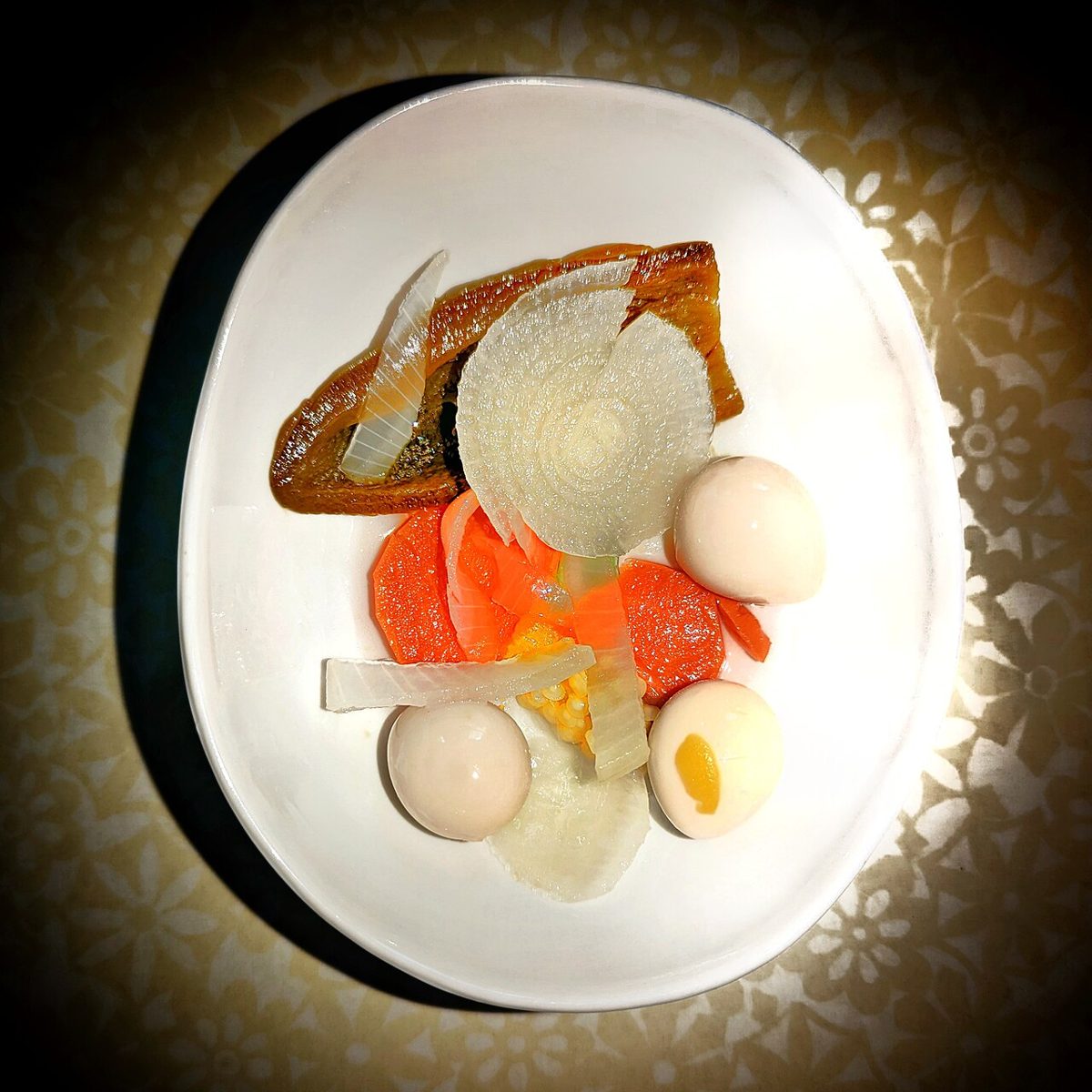
Halve them for salads, add them to a snack board or skewer them with pickled vegetables. Take out only what you will eat and return the jar to the fridge right away, so the eggs never spend more than 2 hours at room temperature.
If you keep hens, a jar of pickled eggs is a good way to use a glut. Our quail eggs guide covers collecting, storing and boiling plain eggs, and our article on selling quail eggs explains why home-pickled eggs are a different product from fresh eggs under most food rules. If you are still planning a flock, start with how to raise coturnix quail and our honest look at whether raising quail is worth it.
Frequently asked questions
Do pickled quail eggs need to be refrigerated?
Yes, always. NCHFP and Clemson both say there are no research-based recipes for shelf-stable home pickled eggs, and room-temperature storage has caused botulism.
How long do homemade pickled quail eggs last?
FSIS says to use home-prepared pickled eggs within 7 days. NCHFP’s refrigerator recipes give 3–4 months for best quality. Use the shorter limit for anyone at higher risk from food poisoning.
How long should quail eggs boil before pickling?
Clemson’s HGIC boils quail eggs for 5 minutes and then chills them in ice water for 5 minutes.
Can I reuse the brine for a second batch?
We do not recommend it. The brine is diluted by the first batch, and none of the tested recipes call for reuse.
Can I can pickled quail eggs for the pantry?
No. NCHFP has no home canning directions for pickled eggs, and FSIS does not recommend home canning them.
Sources
- National Center for Home Food Preservation. Pickled Eggs. University of Georgia.
- National Center for Home Food Preservation. How do you like your eggs? Scrambled, Fried…or Pickled!
- USDA Food Safety and Inspection Service. Shell Eggs from Farm to Table.
- Clemson Cooperative Extension Home & Garden Information Center. Quail Eggs.
- Centers for Disease Control and Prevention. Foodborne Botulism From Eating Home-Pickled Eggs, Illinois, 1997. MMWR.