
Quick answer: Button quail vs coturnix is a pet vs production choice. “Button quail” in the pet trade are king quail (Synoicus chinensis), tiny birds of about 28–40 g that lay eggs of about 5 g and are kept mostly as aviary pets. Coturnix (Japanese quail) weigh 100–160 g (jumbos 250–300 g), lay eggs of about 10 g, start laying at around 6–7 weeks and are raised for eggs and meat. Choose button quail for a planted aviary floor or a small pet; choose coturnix for food.
Button quail vs coturnix comes up because both are sold as “quail” and both fit small spaces. But they are different species with very different sizes and uses. This guide explains what a button quail actually is, compares the two side by side, and helps you decide which belongs in your yard.
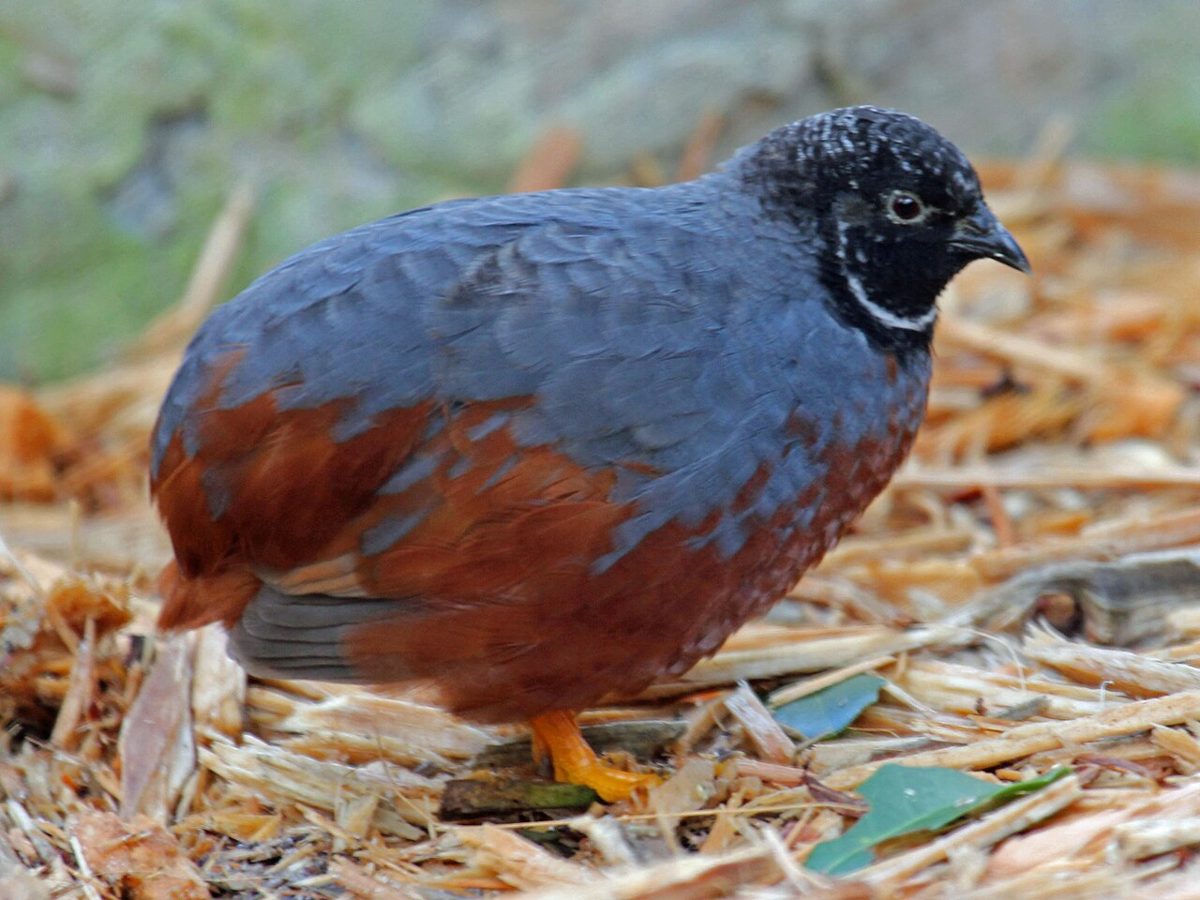

What is a button quail?
The birds sold as button quail are king quail, also called Chinese painted quail, Asian blue quail or blue-breasted quail. The scientific name is written as Synoicus chinensis, Excalfactoria chinensis or, in older sources, Coturnix chinensis. They are true quail in the order Galliformes. The name is confusing because the “true buttonquails” (family Turnicidae) are a different, unrelated group of birds; pet “button quail” are not those.
Button quail vs coturnix at a glance
| Trait | Button (king) quail | Coturnix (Japanese) quail |
|---|---|---|
| Scientific name | Synoicus chinensis | Coturnix japonica |
| Weight | 28–40 g (ADW) | 100–160 g standard; 250–300 g jumbo |
| Length | 12.5–14 cm (ADW) | Larger; varies with strain |
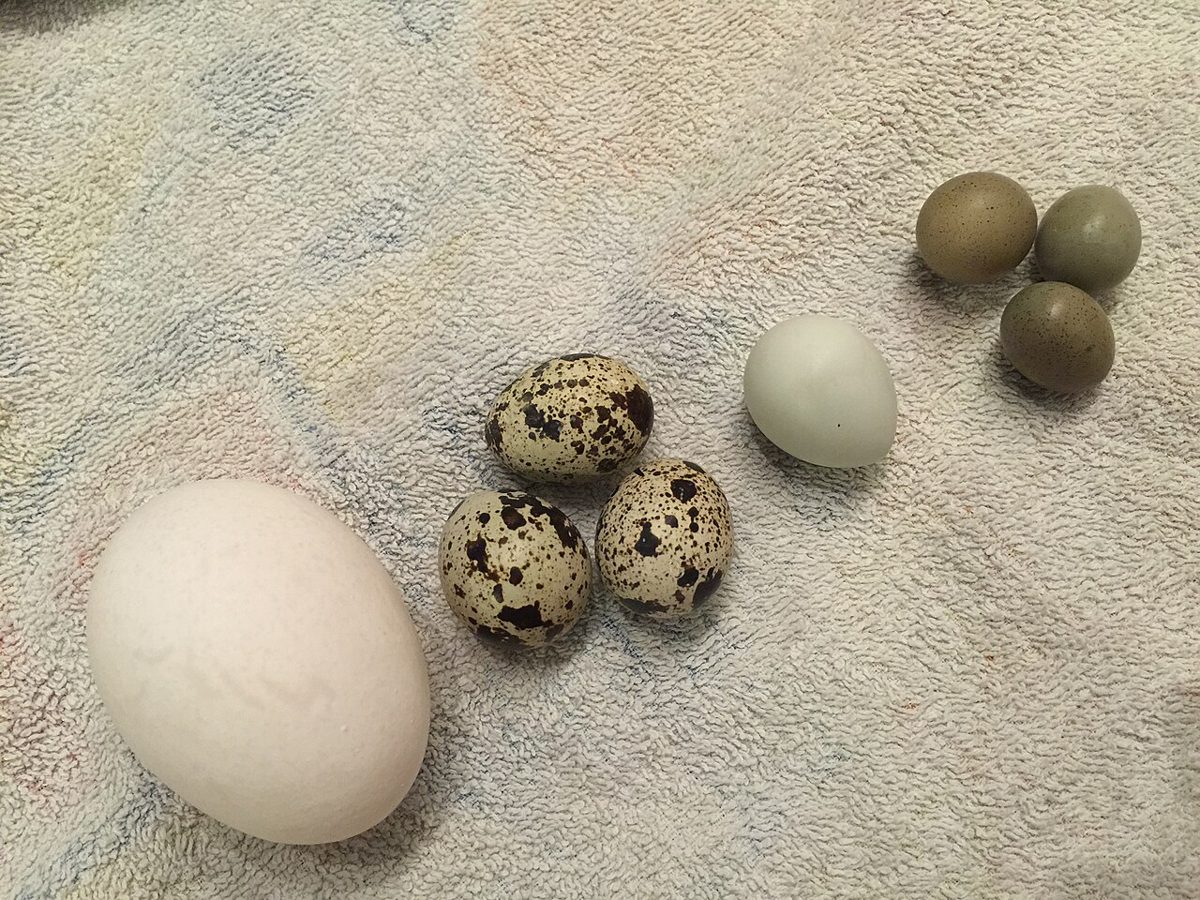
| Egg weight | About 5 g (ADW) | About 10 g |
| Clutch / laying | 6–14 eggs per clutch, up to 21 (ADW, wild data) | About 200 eggs in the first year (NSW DPI); 280–300 in ICAR figures |
| Incubation | 16–19 days (ADW) | About 17 days |
| Maturity | ADW reports young mature in about a month | About 6–7 weeks |
| Main use | Pets, aviary floor birds | Eggs and meat |
| Plumage | Males colorful (blue-grey breast, chestnut belly) in wild type | Brown camouflage patterns; many color lines |
Size and eggs
A button quail weighs about a third or less of a standard coturnix. ADW gives 28–40 g for king quail and an egg of about 5 g, which is large relative to the hen. Coturnix eggs average about 10 g, and Cooperative Extension notes it takes about five of those to equal one chicken egg. Button quail are not practical egg birds; coturnix are. See our quail eggs guide.

Telling males from females
| Species | Males | Females | Source |
|---|---|---|---|
| Button (king) quail | Wild type: blue-grey breast, chestnut belly, black-and-white throat | Brown overall with a rust-brown breast and belly; slightly larger | ADW |
| Coturnix | Rusty brown throat and breast; foam-producing cloacal gland | Light tan breast speckled with black; slightly heavier | NSW DPI |
King quail color mutations can hide these patterns, just as some coturnix colors do; our coturnix male vs female guide covers coturnix sexing in depth.
Meat
Button quail are too small for the table. Coturnix are raised for meat worldwide, and Texas A&M reports its meat strain at 10–13 ounces live at 7 weeks. Our raising quail for meat guide covers that side.
Housing and temperament
King quail are long-established aviary birds and are mostly kept as pets rather than for food. Coturnix need more floor space per bird and are usually kept in hutches or cages; our space guide and quail housing guide explain setups. Both flush upward when frightened, so both benefit from cover and a soft roof, as the RSPCA’s quail guidance recommends for head-injury prevention.
Breeding and chicks
ADW describes king quail chicks as about the size of bumblebees at hatch, with an incubation of 16–19 days. Coturnix chicks are larger and hatch in about 17 days; our incubation guide and quail chick care cover them.
Which should you choose?
| Your goal | Better choice |
|---|---|
| Eggs for the kitchen | Coturnix |
| Meat | Coturnix |
| A small pet or aviary floor bird | Button (king) quail |
| Children’s first birds to watch | Either; button quail are smaller and more delicate |
| Selling eggs or birds | Coturnix |
For the full range of coturnix colors and lines, see our coturnix quail breeds guide.
Frequently asked questions
Are button quail and coturnix the same species?
No. Button quail are king quail (Synoicus chinensis); coturnix are Japanese quail (Coturnix japonica).
Can button quail and coturnix live together?
We do not recommend it. Coturnix are several times heavier and can injure the smaller birds.
Do button quail lay eggs you can eat?
They lay small eggs of about 5 g. They are edible in principle, but too small to be worth raising for food.
Are button quail true buttonquails?
No. True buttonquails belong to the separate family Turnicidae. Pet button quail are true quail.
Which is easier for beginners?
For food, coturnix. For a pet in a planted aviary, button quail.
Sources
- Animal Diversity Web. Coturnix chinensis (blue-breasted quail or king quail).
- Bryant, J. Why Our Button Quail Aren’t Really Buttonquails. Bryant’s Roost.
- Randall, M. and Bolla, G. Raising Japanese Quail. NSW Department of Primary Industries Primefact, republished by The Poultry Site.
- Jacob, J. and McCrea, B. Raising Japanese Quail in Small and Backyard Flocks. Cooperative Extension.
- ICAR-Central Coastal Agricultural Research Institute. Japanese Quail.
- Thornberry, F. D. Producing Quail for Home Consumption (L-5215). Texas A&M AgriLife Extension.
- RSPCA Research Animals Department. Quail: Good practice for housing and care. 4th edition, 2011.