
Quick answer: Your best source depends on whether you want day-old chicks, started birds, or hatching eggs. For a first flock, an NPIP-certified hatchery or a local breeder who can show healthy, correctly sexed stock is the safer start. Farm stores sometimes have chicks in season. Online classifieds and mixed-age “bargain” birds are the riskiest, because you often get no health history and you may import disease. Have the brooder or hutch ready before anything ships.
Where to buy coturnix quail is less about finding a seller and more about matching the type of stock to your setup and your disease risk. A box of day-old chicks is a different project from a pair of laying hens in a crate, and both are different from a dozen hatching eggs in the mail. The breakdown below compares those three paths, what to ask a seller, how shipping works in the United States, and the red flags that show up after birds arrive. If you are still deciding how many to get, see how many quail you should start with and is it legal to keep quail first.
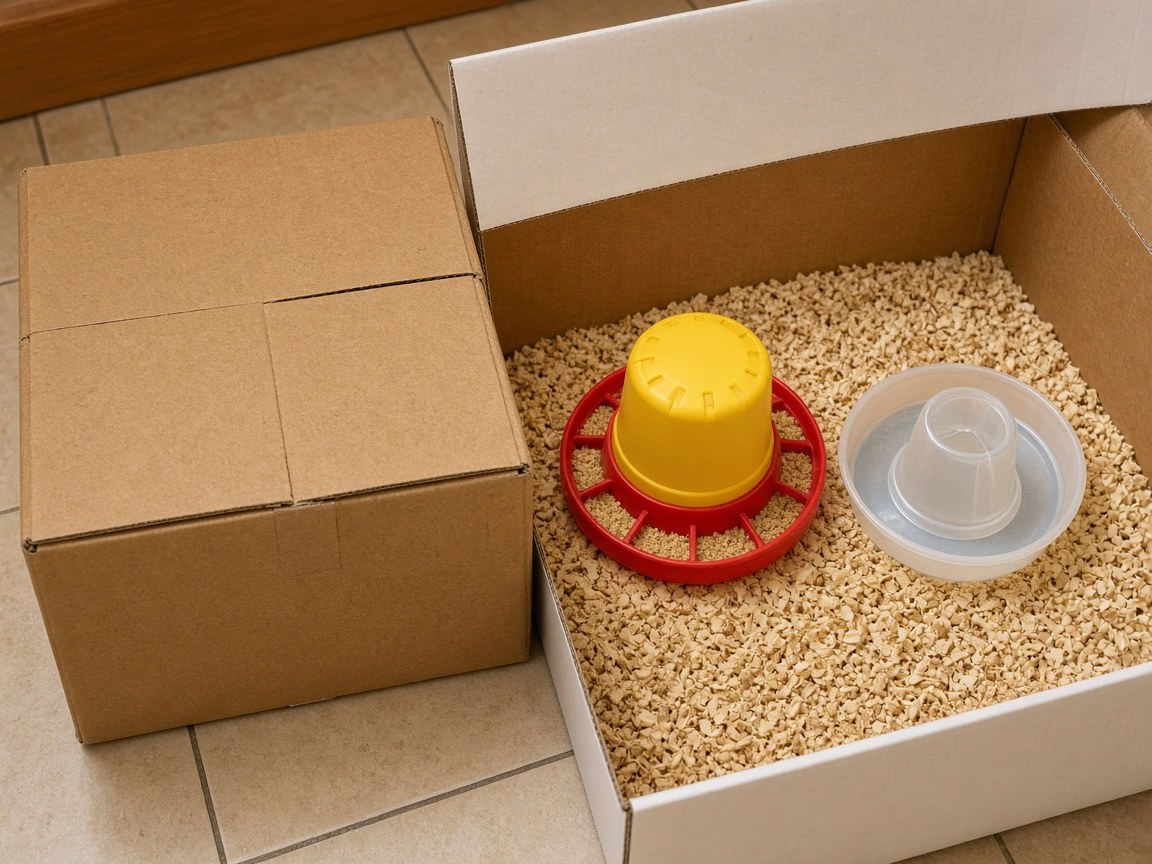
Chicks, adults, or hatching eggs
| What you buy | Best for | What you must have ready | Main risks |
|---|---|---|---|
| Day-old chicks | Learning the full brooder routine; choosing sex later on some colors | A tight brooder, 95°F start, shallow waterers, game bird starter | Shipping stress, drowning, chilling, mixed-sex surprises |
| Started juveniles (3–6 weeks) | Skipping the most fragile week | A warm, covered grow-out pen | Price, limited selection, still need heat if they are not fully feathered |
| Laying adults | Eggs right away | A finished hutch and, if birds are new, a quarantine pen | Shipping heat or cold, hidden illness, sexing errors, fighting |
| Hatching eggs | Incubator practice; specific colors or lines | A reliable incubator and a brooder on hatch day | Lower hatch rates after shipping; infertile or poorly stored eggs |
For most first-time keepers, chicks from a reputable hatchery or local adults you can see in person are easier than mailed hatching eggs. Eggs are a good second project once you can already run an incubator. Our incubation guide and egg storage limits cover that path. If the eggs came from a grocery carton, they almost never hatch; see will store-bought quail eggs hatch.
Hatcheries, breeders, and farm stores
NPIP-certified hatcheries. The National Poultry Improvement Plan is a voluntary state-federal program. It does not make a bird immortal, but it is the standard way US sellers show they test and monitor for certain pullorum-typhoid and, in many cases, avian influenza risks. Ask whether the flock is NPIP-certified, and prefer sellers who will say which tests they run. Our NPIP guide explains what the paperwork actually means.
Local breeders. A visit lets you see housing, droppings, and whether the “jumbos” look like the weight the seller claimed. Ask what feed they use, how they sex birds, and whether you can pick a hens-only group. Local pickup also avoids airline-style weather delays.
Farm and feed stores. Some stores get seasonal chick shipments. Quality varies. Ask the hatchery source, the hatch date, and whether chicks were mixed with other species in the display. Buy early in the day, get them home fast, and have the brooder already warm.
Classified ads and auctions. You may find cheap adults, and you may also buy a respiratory infection, mites, or a rooster sold as a hen. If you go this route, budget time and a separate pen for a 30-day quarantine, as USDA’s Defend the Flock materials advise. See how to quarantine new quail and introducing new quail.
What to ask before you pay
- Species and line. Confirm they are coturnix (Japanese quail), not bobwhite or button quail, and whether “jumbo” or “jumbo white” is a weight claim or just a color. See jumbo white quail and jumbo vs regular.
- NPIP or health testing. Ask for the certificate or flock number.
- Sexing method and guarantee. Wild-type Pharaoh birds can often be feather-sexed; white birds usually cannot. Get the policy in writing.
- Age and feed. Chicks should come with a straight story about hatch date. Adults should already be on a sensible diet so you are not switching feed and home on the same day.
- Shipping window. Live chicks generally ship by USPS as day-old poultry. Adult birds are a different rule: USPS Publication 52, section 526, notes that adult birds are mailable only if each bird weighs more than 6 ounces. Summer heat and winter cold both cause DOAs. A local pickup is kinder in extreme weather.
- Minimums and extras. Hatcheries often have a minimum chick order so the box can keep itself warm. Do not under-order and then run a tiny, chilly box.
When the box arrives
For chicks, the brooder should already be at temperature, with food and a shallow waterer the birds cannot drown in. That setup is in quail brooder setup and quail chick care. Open the box indoors, count the birds, and dip each beak once in water. Then leave them to eat, drink, and rest. Save the hatchery’s contact details until you know the first 48 hours went well.
For adults, move them to the quarantine pen, not straight into your laying group. Offer water first, then feed. Watch for labored breathing, shut eyes, swollen joints, or mites at the vent and under the wings.
For hatching eggs, let the carton sit, pointed end down, at cool room temperature until the eggs settle, then incubate. Do not put shipped eggs in a household refrigerator. Hatch rates after shipping are often lower than eggs that never left the farm; that is normal, not automatically a scam, but a seller should be honest about it.
Red flags
- No species name, or “just quail,” when you need coturnix.
- No way to confirm health testing, and no interest in answering questions.
- Adults crammed in a filthy cage, crusted vents, or rattling breaths.
- A “started laying pair” that includes two males, or white birds guaranteed as hens with no vent-sexing.
- Hatching eggs stored in a kitchen fridge, or sold from grocery cartons.
- A price that is far below every NPIP hatchery for the same line. Cheap birds are expensive when they seed disease.
If you already have a flock, new stock is the most common way illness arrives. Quarantine is not optional just because the seller seemed nice.
Frequently asked questions
Is it better to start with chicks or adults?
Chicks teach you brooding and cost less per bird, but the first two weeks are unforgiving. Adults give eggs sooner and skip the heat lamp, but they cost more and must be quarantined. Either path works if the housing is ready.
Can I buy just two or three chicks from a hatchery?
Often no. Many hatcheries set a minimum so the shipment can hold heat. A local breeder or a store chick display may sell a smaller group.
Should I buy from a hobby breeder of rare colors?
You can, if you are buying the color on purpose and the birds look healthy. Rare colors do not automatically mean better layers or calmer pets. Ask for laying and size records, not only photos.
Do I need a license to buy quail?
Buying is usually legal where keeping is legal, but some states and cities add permits, and bobwhite rules are often stricter than coturnix rules. Check your city and state first.
Sources
- USDA APHIS. National Poultry Improvement Plan and Defend the Flock biosecurity (certification; 30-day quarantine advice in the workbook materials).
- USPS. Publication 52, section 526: Live animals (live animals; adult birds mailable only over 6 ounces).
- Raising Japanese Quail in Small and Backyard Flocks, Jacob and McCrea, Poultry Extension.
- Randall, M. and Bolla, G. Raising Japanese quail. NSW DPI, via The Poultry Site.