
Quick answer: Quail manure as fertilizer works like other poultry manure: it is rich in nitrogen, phosphorus and potassium (Colorado State lists poultry manure at about 2.8% N, 2.3% phosphate and 1.7% potash with litter), but it can carry Salmonella and E. coli and can burn plants if used fresh. Compost it hot (140–160°F kills most pathogens, per Virginia Tech) or age it, and keep at least 120 days between applying manure and harvesting crops that touch the soil, or 90 days for other food crops.
Quail manure as fertilizer turns a daily chore into a garden benefit. Even a small coturnix flock produces a steady stream of droppings and used litter. Handled well, it builds soil; handled badly, it can spread disease to the vegetables you eat. We found no Extension data specific to quail, so this guide uses poultry manure guidance from Colorado State, Virginia Tech, the University of Idaho and USDA.
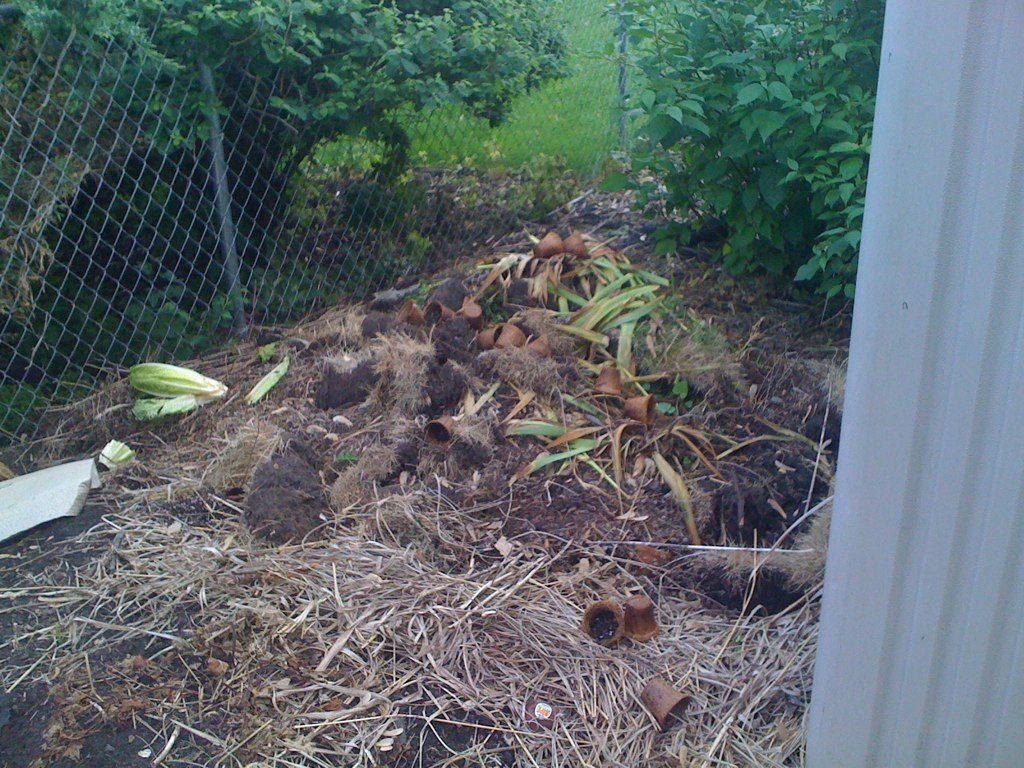

What is in poultry manure?
| Manure (at application) | N | P2O5 | K2O |
|---|---|---|---|
| Poultry, with litter | 2.8% | 2.3% | 1.7% |
| Poultry, without litter | 1.7% | 2.4% | 1.7% |
| Rabbit | 2.0% | 1.3% | 1.2% |
| Horse, with bedding | 0.7% | 0.2% | 0.7% |
| Dairy cattle, with bedding | 0.5% | 0.2% | 0.5% |
Figures from Colorado State University Extension’s table of approximate manure nutrients. Actual values vary with feed, litter and storage, so test if you use a lot. Virginia Tech notes chicken manure and litter are higher in nitrogen, potassium, phosphorus and calcium than other manures and rich in organic matter. Quail eat a similar high-protein game bird feed, so their manure is likely to be in the same range, but we have no quail-specific analysis.
Composted poultry material is milder: the University of Georgia’s poultry handbook gives about 2-2-2 and says as little as 15% of compost nitrogen may be available in the first year.
Safety first
Virginia Tech warns that poultry manure and litter may carry E. coli, Salmonella, Cryptosporidium and other pathogens. The University of Idaho says to treat all poultry waste as though it might contain them, wash hands and clothes after handling, and keep a 120-day gap between application and harvest. Keep manure piles away from children, pets and anywhere runoff could reach vegetables.
The 90/120-day rule
| Crop type | Minimum gap between raw or aged manure and harvest | Examples |
|---|---|---|
| Edible part touches soil | 120 days | Lettuce, carrots, strawberries, melons |
| Edible part does not touch soil | 90 days | Trellised tomatoes, peppers, sweet corn, tree fruit |
The rule comes from USDA’s National Organic Program and is recommended for home gardens by Virginia Tech and the University of Idaho. Idaho adds that spring applications of raw poultry manure usually cannot meet the 120-day gap, so raw manure should go on in fall.
How to compost quail manure
- Collect droppings and litter together. Wood shavings add carbon; see quail bedding.
- Build a pile or bin away from the garden edge and water sources.
- Keep it moist and turn it. Virginia Tech says proper composting reaches 140–160°F, enough to kill most pathogens. USDA organic rules require 131–170°F for 3 days in a static aerated pile, or for 15 days in a windrow turned at least five times.
- Let it cure. Idaho suggests composted poultry manure aged at least 120 days can be applied in fall or spring.
- Apply before planting, not onto growing plants, and work it into the soil.
Aging without heat also works, but Virginia Tech notes aging only slowly reduces pathogens rather than killing them, so the 90/120-day gaps still apply.
Can you put quail manure straight on the garden?
Not on growing food plants. Idaho says raw manure should not go on seedlings or growing plants. If you sheet-compost raw litter, do it in fall after harvest.
Using it in a quail business
Some keepers sell or swap composted manure to gardeners. Our cost to raise quail and is raising quail worth it guides cover the economics of a flock. Check local rules before selling compost.
Troubleshooting
| Problem | Likely cause | Fix |
|---|---|---|
| Strong ammonia smell | Too much fresh manure, too little carbon | Add shavings, leaves or straw; turn the pile |
| Pile not heating | Too dry, too small or too much carbon | Add water and fresh manure; build it bigger |
| Flies | Exposed fresh manure | Cover fresh additions with carbon material |
| Yellow, burned seedlings | Raw manure too close to planting | Use composted manure; apply well before planting |
Frequently asked questions
Is quail manure good for the garden?
Yes, once composted or aged. Like other poultry manure it is high in nutrients and organic matter.
Do I need to compost quail manure?
Composting is the safest choice because the heat kills most pathogens. Otherwise, follow the 90/120-day gaps.
How long should quail manure compost?
At least 120 days of curing is the University of Idaho’s guidance for poultry manure.
Can quail manure burn plants?
Yes. Colorado State says poultry manure is particularly high in ammonia and readily burns plants if over-applied, especially when fresh.
Does the bedding go in the compost too?
Yes. Shavings mixed with droppings compost well and add carbon.
Sources
- Colorado State University Extension. Using Manure in Colorado Gardens.
- Virginia Cooperative Extension. Using Chicken Manure Safely in Home Gardens and Landscapes.
- University of Idaho Extension. Composting and using backyard poultry waste in the home garden (CIS 1194).
- USDA Agricultural Marketing Service. Soil Building: Manures & Composts.
- University of Georgia. Composting Co-Products. Poultry Environmental Quality Handbook.