
Quick answer: Texas A&M quail vs coturnix quail is not a contest between two species. The Texas A&M is a white-feathered meat line of coturnix (Japanese quail) developed at Texas A&M University. Texas A&M AgriLife Extension describes it as heavily muscled and light-fleshed, reaching 10 to 13 ounces live at 7 weeks. Standard coturnix weigh about 3.5 to 5.5 ounces and are better layers per pound of feed. Pick Texas A&M for clean-looking meat birds; pick standard Pharaoh or colored coturnix for eggs, easy feather sexing and the lowest cost.
Texas A&M quail vs coturnix quail is one of the first questions new keepers ask, because hatcheries list them side by side as if they were different birds. They are the same species. What differs is size, feather color, carcass appearance, how easy they are to sex, and how many eggs you get for your feed. This guide puts the real numbers next to each other, explains where the Texas A&M came from, and helps you choose for your goal.
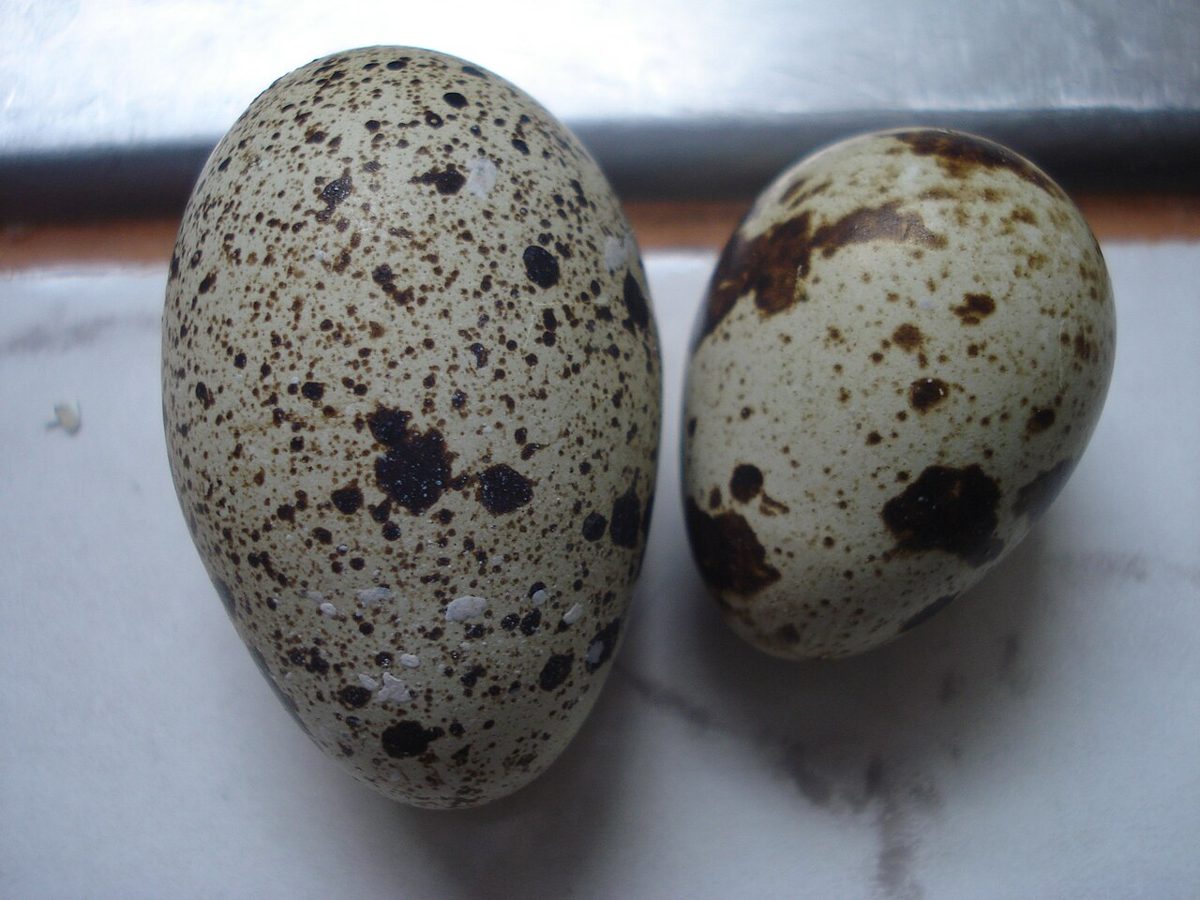

The short version: one species, two jobs
Every bird in this comparison is a Japanese quail, Coturnix japonica. “Coturnix” in US hatchery language usually means the standard-size brown bird (the Pharaoh, or wild-type color) and its color varieties. “Texas A&M” means a specific white, heavy meat line. Our overview of coturnix quail breeds shows where both sit among the other varieties.
| Trait | Standard coturnix (Pharaoh and colors) | Texas A&M |
|---|---|---|
| Species | Japanese quail | Japanese quail |
| Feathers | Wild-type brown or many colors | White; some birds show a few dark spots |
| Adult live weight | Males about 100–140 g (3.5–4.9 oz), females 120–160 g (4.2–5.6 oz) | 10–13 oz (about 280–370 g) at 7 weeks |
| Carcass | Small, darker skin and flesh | Larger, light-fleshed, no dark pin feathers to show |
| Main job | Eggs, small meat birds, general backyard flock | Meat |
| Feather sexing | Possible in Pharaoh and many colors at about 3 weeks | Not possible; sex by vent or behavior |
| Color choice | Wide | White only |
| Typical chick price (2026) | Lowest | Similar to other jumbo lines, often more |
Weights: Cooperative Extension (standard) and Texas A&M AgriLife Extension (Texas A&M strain).
Where the Texas A&M came from
Texas A&M AgriLife Extension’s home-production guide says university researchers developed “a heavily muscled, light-fleshed coturnix strain” that reaches 10 to 13 ounces live at a slaughter age of 7 weeks. It adds that smaller coturnix strains give small, dark-fleshed carcasses that are less desirable as a gourmet item. That sentence explains the whole point of the bird: a bigger carcass that looks like a small white chicken on the plate.
Breeder accounts, including the BackYardChickens species guide, describe English White quail genes being bred into the heavy line to get the white plumage. Treat that history as breeder lore; we did not find a university paper that documents the exact crosses. What matters for you is that the white color in these lines generally breeds true when white is mated to white.
Size and meat: the real difference
Texas A&M is a meat bird first. Here is how the numbers compare for a typical home processor, using figures from Extension and our own earlier posts.
| Measure | Standard coturnix | Texas A&M |
|---|---|---|
| Live weight at processing | About 4–5.5 oz | 10–13 oz |
| Dressed carcass (about 72% yield) | About 3–4 oz | About 7–9 oz |
| Feed to processing | Less per bird | About 3 to 3.5 lb per bird (Texas A&M AgriLife) |
| Birds per pound of dressed meat | About 4–5 | About 2 |
| Processing age | 6–8 weeks | About 7 weeks |
Dressed yields are approximate and change with age and sex; see how to process quail at home for the work itself. Fewer, bigger birds means less plucking or skinning per pound, which is the main reason meat keepers like the Texas A&M.
The light flesh and white feathers also matter at the table. Dark pin feathers left behind on a Pharaoh carcass show as small dark dots; on a white bird they are hard to see. If you sell dressed birds, that clean look counts.
Eggs: where standard coturnix win
Standard egg-type coturnix are the better layers for the feed they eat. Heavy lines can lay well, but research on size-selected lines often finds fewer eggs, and big birds always eat more. Our post on jumbo coturnix quail vs regular goes through those studies.
There is one Texas-specific egg finding worth knowing. Damaziak and colleagues (British Poultry Science, 2026) compared eggs from Jumbo, Pharaoh, Texas and celadon quail. Texas quail eggs had the most porous shells, by both pore number and pore area, and lost the most weight in 28 days of cold storage. In practice:
- Collect Texas A&M eggs daily and use them or set them sooner rather than later.
- If you hatch them, watch the air cell when you candle. Porous shells lose water faster, so you may need a little more humidity than for other lines. Our quail incubation temperature and humidity guide explains how to read the air cell and adjust.
Sexing: the biggest day-to-day drawback
In Pharaoh and many colored coturnix, males grow rusty, unspeckled breast feathers and hens keep a speckled breast, so you can sort them at about three weeks. White birds have no such marker. Wikipedia’s Japanese quail entry, drawing on breeder literature, lists Texas A&M, English White and tuxedo among the strains that cannot be sexed by plumage.
With Texas A&M you sex them by:
- Vent check once they are mature: males have a bulging cloacal gland that produces white foam (NSW Department of Primary Industries).
- Crowing, which starts in young males.
- Eggs, which only hens lay.
That matters if you want a breeding group or need to remove extra males before they fight. See how to tell male from female coturnix for photos and the vent method.
Genetic diversity: buy from a strong line
A 2023 genotyping study by Volkova and colleagues (Animals) sampled eight Japanese quail breeds. The meat breed Texas White, along with Tuxedo, showed the highest levels of homozygous segments and genomic inbreeding, while Japanese (wild-type) and Pharaoh showed the lowest. That fits what the history suggests: a heavily selected white line drawn from a narrow base.
You cannot see inbreeding, but you can reduce your risk:
- Buy from a breeder who brings in unrelated Texas A&M stock now and then.
- Ask about hatch rates and leg problems in their flock.
- If you breed your own, avoid sibling matings for several generations in a row.
Care differences that actually matter
Feed, housing and incubation are the same species-level basics. The few real differences come from body size.
| Care item | Standard coturnix | Texas A&M |
|---|---|---|
| Floor space | Standard spacing | Give the top end of the range; see stocking guide |
| Cage height | Standard | Allow a little more headroom |
| Feed | Game bird starter, then layer or grower | Same; high-protein starter is especially important for fast growth |
| Feet | Average risk | Heavier birds are more prone to foot sores on hard or wet floors |
| Heat | Average | Big bodies feel heat sooner; plan shade and airflow |
Stocking densities are in how many quail per square foot. Merck Veterinary Manual notes that bumblefoot is more common in heavier birds, so give heavy lines dry, soft footing; our guide to quail bumblefoot covers prevention.
Which should you choose?
| Your goal | Better pick | Why |
|---|---|---|
| Eggs for the kitchen | Standard coturnix | More eggs per pound of feed; cheaper birds |
| Meat only | Texas A&M | About twice the dressed weight per bird; light, clean carcass |
| Eggs and meat from one flock | Standard or jumbo Pharaoh | Feather-sexable, so you can keep hens and process males easily |
| Selling dressed birds | Texas A&M | Clean white carcass looks best to buyers |
| Breeding colors or celadon | Standard lines | More color choice; see our celadon guide |
| First flock | Standard Pharaoh | Easiest to sex, cheapest, most forgiving |
If you want both eggs and meat, our guide to raising quail for eggs and meat explains how to run one flock for both.
Troubleshooting
| Problem | Likely cause | What to do |
|---|---|---|
| “Texas A&M” chicks grow up small | Mislabeled stock or a diluted line | Weigh at 7 weeks; buy from a breeder who shares weights |
| Can’t tell males from hens | White plumage hides sex markers | Vent-sex at maturity; listen for crowing |
| Leg or foot problems | Fast growth, hard or wet floors | Keep floors dry and padded; avoid overcrowding |
| Low hatch rate | Porous eggs drying out, or inbreeding | Watch the air cell; bring in unrelated stock |
| Few eggs | Meat line, not egg line | Keep a few standard hens for eggs |
Frequently asked questions
Is a Texas A&M quail a coturnix?
Yes. It is a white meat line of the Japanese quail, the same species as Pharaoh and other coturnix.
How big do Texas A&M quail get?
Texas A&M AgriLife Extension gives 10 to 13 ounces live at 7 weeks for its meat strain. Weights vary by breeder.
Are Texas A&M quail good layers?
They lay, but egg-type standard coturnix give more eggs for the feed. Choose Texas A&M mainly for meat.
Can you sex Texas A&M quail by feathers?
No. Sex them by the male’s foamy cloacal gland at maturity, by crowing, or by who lays eggs.
Do Texas A&M quail taste different?
They have light flesh and a bigger carcass. Flavor depends more on age, feed and cooking than on the line.
Are Texas A&M and jumbo coturnix the same thing?
Not exactly. “Jumbo” is a loose hatchery term for any heavy line, often brown. Texas A&M is a specific white meat line.
Sources
- Thornberry, F. D. Texas A&M AgriLife Extension. Quail: Producing for Home Consumption (L-5215).
- Cooperative Extension. Raising Japanese Quail in Small and Backyard Flocks.
- Damaziak, K. et al. 2026. Effects of autosomal recessive gene (ce) on quail egg shell properties. British Poultry Science 67:552–561.
- Volkova, N. A. et al. 2023. Genotyping-by-Sequencing Strategy for Integrating Genomic Structure, Diversity and Performance of Various Japanese Quail Breeds. Animals 13:3439.
- Randall, M. and Bolla, G. NSW Department of Primary Industries. Raising Japanese Quail.
- Merck Veterinary Manual. Staphylococcosis in Poultry.
- Wikipedia. Japanese quail.
- BackYardChickens. Quail species and how to pick the right bird for you.