
Quick answer: Raising quail for eggs and meat works best as one flock run on a simple cycle: hatch or buy feather-sexable coturnix, sort males from hens at about 3 to 4 weeks, keep the best hens (and one male per 4 to 5 hens if you hatch) for eggs, and process extra males at 6 to 8 weeks. Replace layers after about a year and braise the spent hens. A home flock of about 12 hens plus two hatches a year can give roughly 50 eggs a week and about 30 table birds a year from a few square feet.
Raising quail for eggs and meat from one flock is how most backyard keepers end up running coturnix, whether they plan it or not. Every hatch is roughly half males, hens lay for about a year and then slow down, and both “surplus” groups make good food. This guide shows how to plan a dual-purpose flock: which line to pick, how many birds to hatch, a week-by-week calendar, and how to keep eggs coming while you process birds.
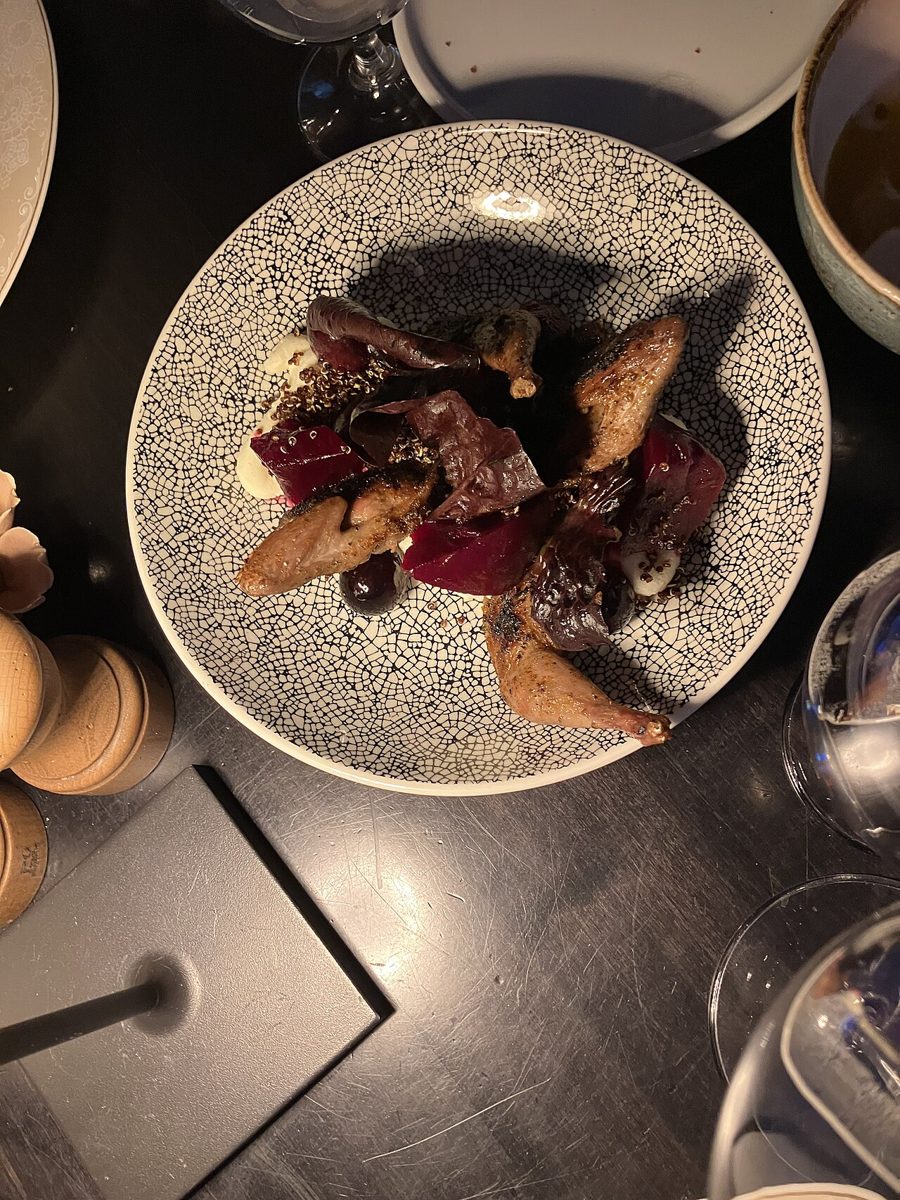

Why coturnix suit a dual-purpose flock
Cooperative Extension describes Japanese quail as a bird raised for both eggs and meat. Three traits make them ideal:
- Fast cycle. They mature in about six weeks and can lay by seven weeks.
- Small space. A dozen birds fit in a hutch or a few square feet of cage.
- Half the chicks are males. Males make the meat; hens make the eggs.
If you only want meat, our raising quail for meat guide covers grow-out batches. If you only want eggs, see quail egg production per year. This page is about doing both from one flock.
Step 1: Pick the right line
| Line | Eggs | Meat | Sexing | Verdict |
|---|---|---|---|---|
| Standard Pharaoh or colored coturnix | Best per pound of feed | Small (about 3–4 oz dressed) | Feather-sexable in Pharaoh and many colors | Best for an egg-first flock |
| Jumbo Pharaoh | Good | Medium to large | Feather-sexable | Best all-round dual-purpose choice |
| Texas A&M | Fewer | Largest, clean white carcass | Not feather-sexable | Meat-first; harder to manage for eggs |
| Celadon or rare colors | Varies by line | Usually standard size | Depends on color | Pick for looks, not production |
Feather sexing matters more than anything else in a dual-purpose flock, because you need to sort birds by about 3 to 4 weeks. See our Pharaoh quail profile and Texas A&M quail vs coturnix for line details.
Step 2: Size the flock
Start with how many eggs you want, then let the meat follow.
| Goal | Laying hens | Breeding males | Chicks to hatch per batch | Expected extra males per batch |
|---|---|---|---|---|
| Eggs for 1–2 people, a little meat | 6–8 | 0–2 | 15–20 | About 7–10 |
| Eggs for a family of 4, regular meat | 12–15 | 3 | 30–40 | About 15–20 |
| Eggs to sell, meat every month | 25–30 | 6 | 50+ | About 25 |
Assumptions: about 4 to 5 eggs per hen per week across the year (see the egg production guide linked above); about half of chicks are males; Extension’s 1 male to several hens for fertile eggs, see quail breeding ratio.
Not every egg hatches. Set about 30 to 40 percent more eggs than the chicks you need.
Step 3: Run the cycle
| Week | What happens | Tasks |
|---|---|---|
| 0 | Set eggs in the incubator | Collect eggs from your breeders for up to about a week; incubate 17–18 days |
| 2½ | Chicks hatch | Brooder at about 95–100°F, game bird starter |
| 3–4 | Feathers show sex | Sort males and hens into separate groups or mark them |
| 4–6 | Growing | Move to grow-out pens; drop brooder heat |
| 6–8 | Males ready | Weigh and process males; keep 1 per 4–5 hens if needed |
| 7–8 | Young hens start laying | Light 14–18 hours; layer-level feed and calcium |
| About 12 months later | Hens slow down | Hatch replacements; process spent hens for braising |
Incubation and brooding basics are in how to incubate quail eggs, which also links to brooder setup.
How many hatches a year?
Two hatches a year, spring and late summer, suit most families. The spring hatch gives fresh layers for the next year and a batch of meat males. A late summer hatch gives a second meat batch and backup hens. Keepers who want meat every month run a small hatch every 4 to 6 weeks.
Step 4: Feed for both jobs
- Chicks and growing birds: a game bird starter. Texas A&M AgriLife recommends a fresh starter with 26 to 30 percent protein for the first 6 weeks, then a 20 percent game bird grower.
- Laying hens: a complete layer-level ration with extra calcium, such as oyster shell on the side.
- Meat males: keep them on the starter or grower until processing; do not switch them to layer feed, which has extra calcium they do not need.
- Light: Cooperative Extension recommends 14 to 18 hours of light for layers, but only 8 hours for meat birds and males not kept for breeding, which keeps them calmer.
Step 5: Manage males without fighting
Too many males with hens cause scalped heads, torn backs and fewer eggs. The simple rules:
- Sort by 3 to 4 weeks.
- Keep extra males in a separate “bachelor” pen with shorter light until processing.
- Process males at 6 to 8 weeks, before fighting starts in earnest.
- Keep only your best one or two males with the hens, at about 1 to 4–5.
Watch for bloody heads, bald backs and hens hiding in corners, and remove the worst male first.
Step 6: Process and use both kinds of birds
| Bird | Age | Meat | Best cooking |
|---|---|---|---|
| Young males | 6–8 weeks | Tender, mild | Grill, pan-sear, roast |
| Jumbo males | About 7 weeks | More meat per bird | Roast or grill whole |
| Spent hens | 12–18 months | Firmer, richer | Braise, stew, pressure cook |
| Old breeders | 18+ months | Firm | Stock, braises |
Texas A&M AgriLife reports a dressing rate of about 72 percent of live weight and expects each meat bird to eat about 3 to 3.5 pounds of feed. Butchering steps are in processing quail at home, and recipes are in how to cook quail.
Housing a dual-purpose flock
A dual-purpose flock works best as three small groups rather than one big pen, because each group has a different job and a different light schedule.
| Pen | Who lives there | Space (about 1 sq ft per adult in cages) | Light |
|---|---|---|---|
| Breeder pen | 1 male with 4–5 of your best hens | About 5–6 sq ft | 14–18 hours |
| Layer pen | Hens kept only for eating eggs | 1 sq ft per hen | 14–18 hours |
| Grow-out pen | Extra males and table birds from about 3–4 weeks | 1 sq ft per bird, more for jumbo lines | About 8 hours |
Keeping grow-out birds on short days matters. Cooperative Extension says quail raised for meat, and males not kept for breeding, should get only about eight hours of light, which is not enough to bring on sexual maturity; birds then waste less energy fighting and mating, and fatten faster. A separate pen also keeps young males away from your laying hens’ backs.
If space is tight, a stacked set of three cages with pull-out droppings trays covers all three jobs in about the footprint of one small table.
A sample year
| Season | What happens |
|---|---|
| Late winter | Set the first hatch from your breeder pen; lights on a timer keep hens laying |
| Spring | Chicks in the brooder; sex them at 3–4 weeks; males to the grow-out pen |
| Early summer | First table birds processed at 6–8 weeks; new pullets start laying |
| Summer | Second hatch if you need more birds; watch heat in all pens |
| Fall | Pick replacement breeders from the best young hens; retire the oldest layers for the pot |
| Winter | Fewer hatches; keep layers on 14–18 hours of light; clean and repair cages |
Two to four hatches a year are enough for most families. Each hatch replaces older hens and puts another batch of birds in the freezer.
What a 12-hen flock can produce
Here is a realistic year for a family flock of 12 laying hens and 3 males, with two hatches of 35 eggs.
| Output | Approximate amount | How we got it |
|---|---|---|
| Eggs | About 2,800 a year (about 54 a week) | 12 hens × about 4.5 eggs a week × 52 weeks |
| Chicken-egg equivalent | About 560 large eggs | Five quail eggs to one chicken egg (Extension) |
| Chicks hatched | About 50 | Two batches of 35 eggs at about 70% hatch |
| Young males processed | About 22 | Half of chicks, minus breeding replacements |
| Spent hens processed | About 10–12 | Replaced each year |
| Dressed meat | Roughly 6–8 lb (standard birds) | About 33 birds at about 3–4 oz each; jumbo lines give about twice that |
These are planning numbers, not guarantees.
Troubleshooting a dual-purpose flock
| Problem | Likely cause | Fix |
|---|---|---|
| Egg numbers drop after a hatch | Hens stressed by moves or too many males | Keep layers separate from growing birds; check the ratio |
| Males fighting at 5–6 weeks | Not sorted early | Sort at 3–4 weeks; process sooner |
| Small meat birds | Standard line, low-protein feed | Switch to a jumbo line; feed 26–30% protein starter |
| Poor hatch rates | Old breeders or too few males | Use first-year breeders; keep 1 male per 4–5 hens |
| Not enough eggs in winter | Short days | Add light on a timer for layers only |
| Tough meat | Old birds cooked fast | Braise spent hens; rest carcasses a day before cooking |
Frequently asked questions
Can you raise quail for both eggs and meat?
Yes. Keep hens for eggs and process extra males, then replace layers about once a year.
What is the best quail for eggs and meat?
Jumbo Pharaoh coturnix are a good all-round choice: bigger birds that are still feather-sexable.
How many quail do I need for eggs and meat?
About 12 hens and 3 males, with two hatches a year, suit a family of four.
At what age do you process quail?
Most males are ready at 6 to 8 weeks; spent hens after 12 to 18 months of laying.
Do meat quail need the same feed as layers?
No. Growing and meat birds need high-protein starter or grower; layers need layer-level feed with extra calcium.
Can old laying hens be eaten?
Yes. Their meat is firmer, so braise or stew them.
Sources
- Cooperative Extension. Raising Japanese Quail in Small and Backyard Flocks.
- Thornberry, F. D. Texas A&M AgriLife Extension. Quail: Producing for Home Consumption (L-5215).
- Randall, M. and Bolla, G. NSW Department of Primary Industries. Raising Japanese Quail.
- Ioniță, L. et al. Average production performances of the “Pharaoh” and “Balotești” laying quail populations. Scientific Papers, Animal Science Series, vol. 53, University of Agricultural Sciences and Veterinary Medicine Iași.