
Quick answer: Raising quail in a hot climate comes down to housing that never traps heat: full afternoon shade, an insulated or reflective roof, open mesh sides, and steady air movement over the birds. In dry heat (Arizona, Nevada, inland California, West Texas), evaporative coolers and misters can drop pen air by 20 to 30°F. In humid heat (Gulf Coast, Florida, the Southeast), evaporation does far less, so fans, shade and dry litter matter more. Keep water shaded and plentiful, feed in the cool hours, and plan hatches for spring and fall.
Raising quail in a hot climate is very doable. Japanese quail are farmed on a huge scale in Brazil and other warm countries. But a pen that works in Ohio can cook birds in Phoenix or Houston. This guide is about building and running a setup for long, hot summers: how dry and humid heat differ, what cooling actually works in each, how to design the pen, and how to plan water, feed, hatching and laying around the heat. For the warning signs and first aid on a single hot day, see our separate guide to quail heat stress.

How hot is too hot?
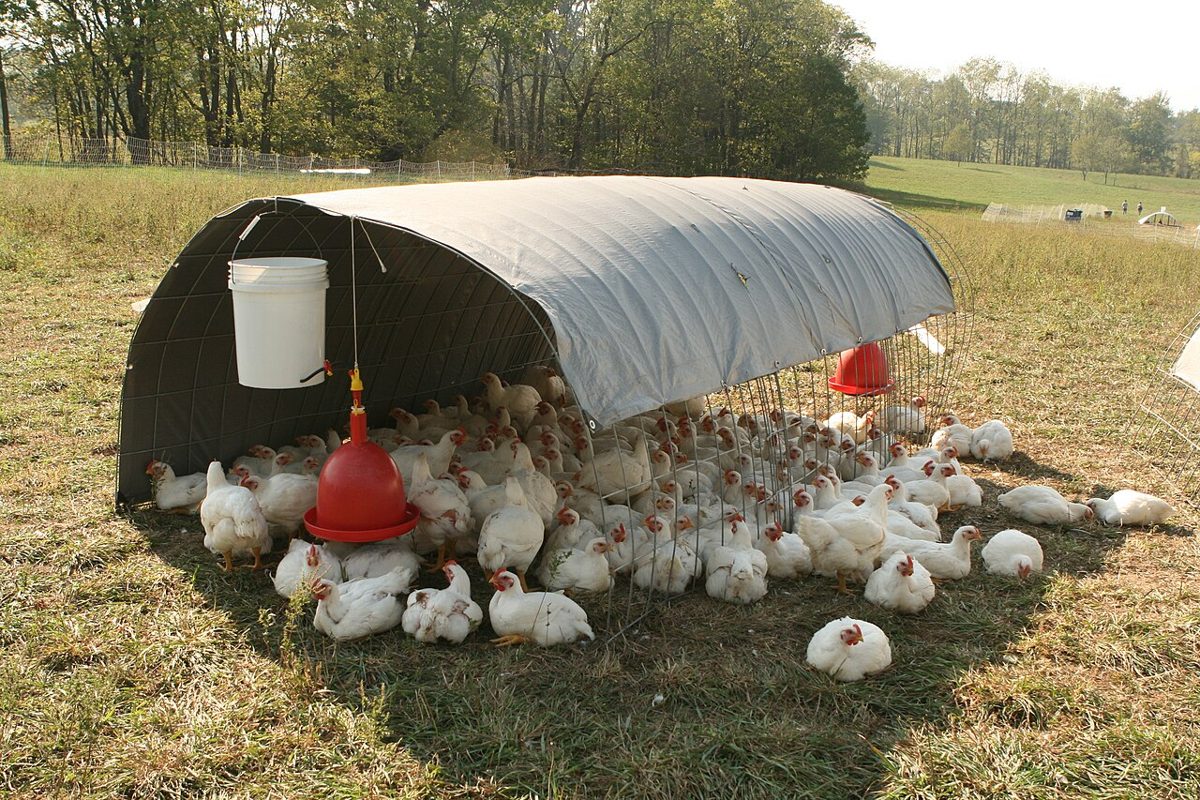
Our heat stress guide covers the research in detail. The short version from studies on laying Japanese quail: a comfort zone of roughly 64–79°F, good laying when highs stay under about 86°F, and 95°F treated as severe heat. Much of the southern US spends weeks above those numbers. The goal of a hot-climate setup is to keep the air where the birds are closer to the comfort zone, even when the forecast is not.
Dry heat vs humid heat
The single most useful thing to know about your climate is whether summer heat is dry or humid. It decides which cooling works.
University of Kentucky’s poultry housing guide explains that evaporative cooling uses heat from the air to evaporate water, lowering air temperature and raising humidity. The limit is the wet-bulb temperature, the lowest temperature evaporation can reach. Good cooling pads achieve about 70 to 90 percent of the gap between air temperature and wet-bulb temperature.
| Afternoon conditions | Example region | Wet-bulb temperature | Air after a 75%-efficient cooler | Verdict |
|---|---|---|---|---|
| 105°F, 10% humidity | Phoenix, Las Vegas in June | About 66°F | About 76°F | Evaporative cooling works very well |
| 100°F, 15% humidity | Inland California, West Texas | About 67°F | About 75°F | Works very well |
| 95°F, 25% humidity | High plains, dry spells | About 69°F | About 76°F | Works well |
| 95°F, 50% humidity | Central Texas, Oklahoma | About 80°F | About 84°F | Modest help |
| 92°F, 60% humidity | Houston, New Orleans | About 81°F | About 83°F | Little help |
| 90°F, 70% humidity | Florida, coastal Carolinas | About 82°F | About 84°F | Little help; airflow matters more |
Wet-bulb values are calculated with a standard psychrometric approximation; the “after” column assumes 75 percent cooler efficiency. They are planning numbers, not measurements of a quail pen.
Two more points from the Kentucky guide:
- Water temperature barely matters for evaporative cooling. A gallon of 50°F water and a gallon of 90°F water give almost the same cooling when they evaporate. Chilled water for misters is wasted effort; cool drinking water is a different matter.
- Afternoon humidity drops as temperatures peak, so even humid areas get some benefit on the hottest afternoons.
Air movement: why a breeze matters so much
A 2017 study by Santos, Gates and colleagues in climate chambers in Brazil, summarized by the University of Illinois, exposed laying Japanese quail to 63, 73.4, 84 and 95°F with air speeds from still air to about 7 mph. The findings:
- Quail ate less as temperature rose.
- When it was hot and there was a breeze, more birds were eating. Moving air helped heat-stressed quail cope, and birds that eat keep laying.
- At comfortable temperatures, strong wind caused cold stress in exposed cages.
So in heat, the goal is steady air movement across the birds; in cooler weather, the same breeze needs to be blocked. Adjustable curtains or removable panels let you do both.
Designing a hot-climate quail pen
| Design feature | Why it matters | How to do it |
|---|---|---|
| Afternoon shade | Sun on a small pen raises the inside temperature far above the forecast | Put the pen under trees or on the east side of a building; add shade cloth to the west |
| Insulated or reflective roof | Metal and dark roofs radiate heat down onto birds | Use a light-colored roof, add foam board under metal, or a shade cloth layer above the roof with an air gap |
| Open mesh sides | Lets heat escape and breezes through | At least two sides of 1/2-inch hardware cloth; predator-proof edges |
| Roll-down curtains or panels | Lets you block wind and storms | Tarp or vinyl on hooks |
| Height off the ground | Air moves better; less radiant heat from bare soil | Raise cages 2–3 ft; grass or mulch under them |
| Fans | Steady breeze over birds | Box fan or barn fan pointed through the pen, not just stirring the roof |
| Space | Fewer birds per square foot means less body heat | Use the generous end of stocking guidance |
| Dry floor | Humid climates keep litter wet | Raised cages, sand, or frequent litter changes |
Predator-proofing still comes first; see how to predator-proof a quail coop, since snakes and raccoons are active through southern summers. For floor space, see how many quail per square foot.

Cooling options compared
| Option | Best climate | Typical effect | Cautions |
|---|---|---|---|
| Shade cloth and reflective roof | All | Large drop in heat load from the sun | Must cover the afternoon sun |
| Fans | All | Cooler-feeling air at bird level | Needs safe outdoor power; avoid blasting chicks |
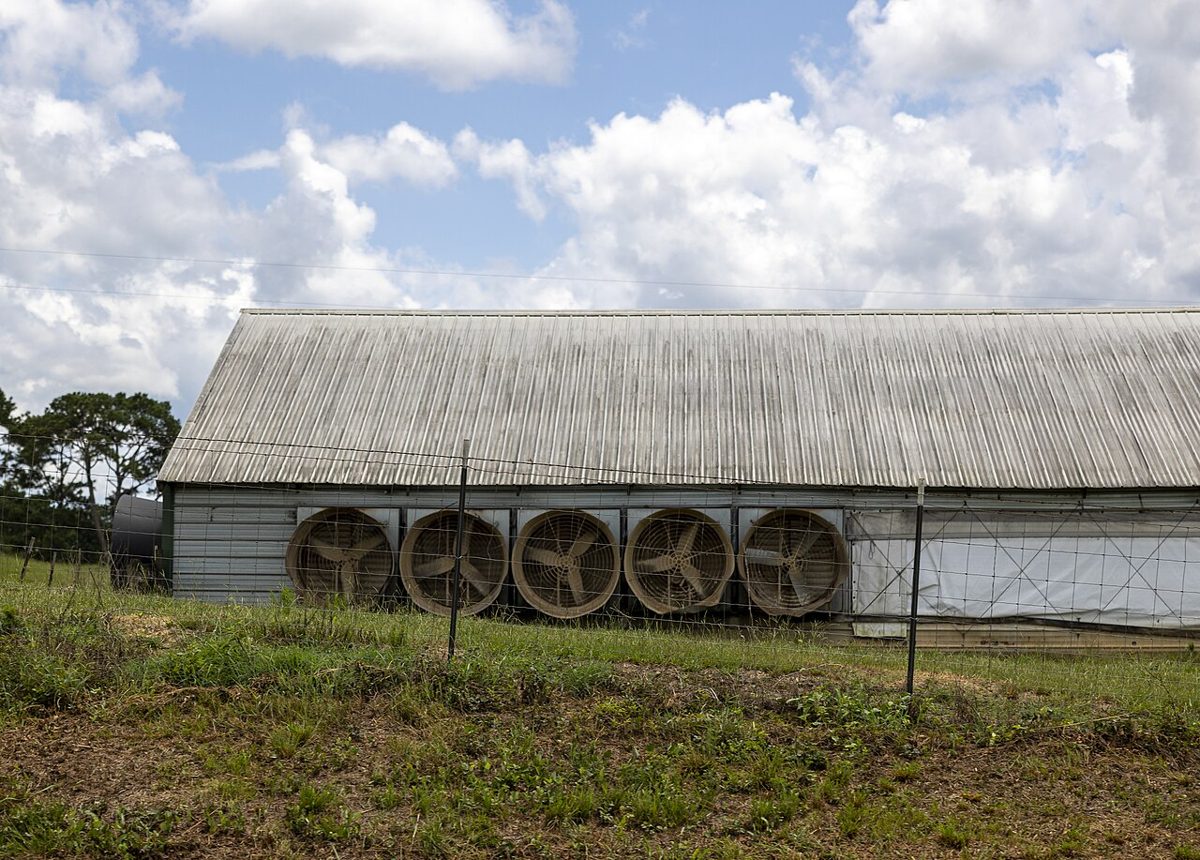
| Misters on the pen perimeter | Dry | Can drop air temperature a lot in very dry air | Wet litter in humid areas; aim mist outside the cage |
| Swamp (evaporative) cooler blowing into a shed | Dry | Air near wet-bulb plus about 25% of the gap | Little benefit in humid air; clean pads |
| Frozen water bottles in the pen | All | Cool spots birds lie against | Swap twice a day; birds can chill if wet |
| Wetting the ground around the pen | Dry | Short-term cooling | Mud and parasites in humid areas |
| Air conditioning in a garage | All | Reliable | Cost; power cuts are dangerous |
Fire and electrical safety apply in summer too: use outdoor-rated equipment, keep cords away from birds and bedding, and avoid extension cords in the coop, as the National Fire Protection Association advises.
Water in hot weather
Birds drink much more in heat. Cooperative Extension’s guidance on extreme summer temperatures notes that birds drink more and lose heat through their droppings, so wetter droppings in heat are expected.
- Shade every waterer and keep lines and reservoirs out of the sun. A tank in sunlight can reach bath temperature.
- Add capacity. Use a bigger reservoir or an extra drinker so water never runs out during the hottest hours.
- Refresh water in the afternoon with cool water, or add ice or a frozen bottle to the reservoir.
- Clean more often. Warm water grows algae and bacteria faster.
- Check nipple lines at peak heat; hot, slow-flowing lines discourage drinking.
Feeding and laying in the heat
- Feed in the cooler hours. Quail eat less in heat. Offer fresh feed early in the morning and in the evening, and keep it fresh in humid areas where it molds.
- Do not cut protein or calcium. Heat lowers intake, so the feed needs to stay complete. See what quail eat.
- Expect fewer, thinner eggs in long heat waves. Collect eggs at least twice a day and refrigerate them promptly; warm, humid air shortens shelf life. Our quail eggs guide covers handling.
- Limit treats on hot days; they displace the complete feed.
Planning the year in a hot climate
| Season | Main job | Notes |
|---|---|---|
| Late winter to spring | Hatch layers and breeders | Mild weather for brooding and growing |
| Early summer | Finish hatching; process extra males | Get grow-out done before the worst heat |
| Peak summer | Keep birds cool; protect laying | Avoid hatching; brooders overheat; fewer fertile eggs |
| Early fall | Second hatch | Good time for replacement hens |
| Winter | Light for laying; mild care | Many hot-climate areas need little winter heat |
Mississippi State University Extension warns that overheating, not chilling, is the most frequent brooding error it sees in the South. If you brood in summer, give chicks a cool zone and watch their behavior closely; see our brooder setup guide.
Heavy jumbo and Texas A&M birds carry more heat than standard coturnix. In very hot areas, standard lines may cope better; see jumbo vs regular coturnix.
Humid-climate extras
Humid heat adds problems beyond temperature:
- Wet litter feeds coccidia and mold. Change it often or use raised cages. See coccidiosis in quail.
- Moldy feed and bedding can cause aspergillosis. Store feed in sealed bins and buy smaller bags.
- Mites and flies thrive. Check birds weekly.
Power cuts in a heat wave
- Keep frozen water bottles and spare drinkers ready.
- Know where you can move small cages: a shaded porch, a cool room or an air-conditioned garage.
- A small battery or solar fan can keep air moving for hours.
- Check birds every hour in extreme heat until power returns.
Troubleshooting
| Problem | Likely cause | Fix |
|---|---|---|
| Birds panting by 11 a.m. | Pen in morning sun or a hot roof | Move the pen or add roof shade and insulation |
| Misters soak the litter | Humid climate or mist inside the cage | Aim mist outside the pen; use fans instead |
| Laying drops every July | Heat and lower feed intake | Shade, breeze, feed in cool hours; plan replacement hens |
| Wet droppings all summer | Normal heat response | Keep litter dry; watch for blood or smell |
| Chicks dying in summer brooders | Overheating | Give a cool zone; lower heat; watch behavior |
| Feed molding | Humidity | Smaller bags, sealed bins, fresh daily |
Frequently asked questions
Can quail live in Arizona or Texas?
Yes, with deep shade, airflow, plenty of cool water and, in dry areas, evaporative cooling.
What temperature is too hot for quail?
Research on laying quail suggests problems above about 86°F and severe heat at 95°F. Act before then.
Do misters work for quail?
In dry heat they can cool the air a lot. In humid heat they mostly wet the litter; use fans and shade instead.
Should I use a fan for quail?
Yes, in hot weather. A study found that a breeze helped heat-stressed quail keep eating.
When should I hatch quail in a hot climate?
Spring and early fall, so chicks grow out before or after the worst heat.
Do quail need shade all day?
They need shade during the hottest hours, especially the afternoon, and somewhere to get out of the sun at any time.
Sources
- University of Kentucky. Chapter 9: Evaporative Cooling Systems.
- University of Illinois College of ACES. When temps are higher, Japanese quail require a breeze, 2017; study by Santos, T. C., Gates, R. S. et al., Pesquisa Agropecuária Brasileira 52(5).
- Cooperative Extension. Managing Backyard Chickens During Periods of Extreme Summer Temperature.
- Mississippi State University Extension. Temperatures Recommended for Brooding Quail.
- National Fire Protection Association. Chicken Coop Safety Tips.
- Merck Veterinary Manual. Aspergillosis in Poultry.