
Quick answer: Quail water in winter must stay liquid, because birds cannot drink through ice. The simplest options are swapping drinkers two or three times a day, a heated base under a metal or plastic fount, or a heated bowl or cable for open dishes. Nipple and cup lines freeze first and need heat along the whole line or a move indoors. A 28-watt base running 24 hours costs about $3.70 a month at the US average power price. Use grounded, outdoor-rated equipment, no extension cords in the coop, and keep heaters away from bedding.
Quail water in winter is the chore that catches out most first-year keepers. Coturnix handle cold well when they are dry and out of the wind, but a frozen drinker can leave a small flock without water for half a day. Quail are tiny, so they dehydrate faster than chickens. This guide compares every practical way to keep water open, shows what each costs to run, explains how to do it safely, and gives a plan for power cuts.
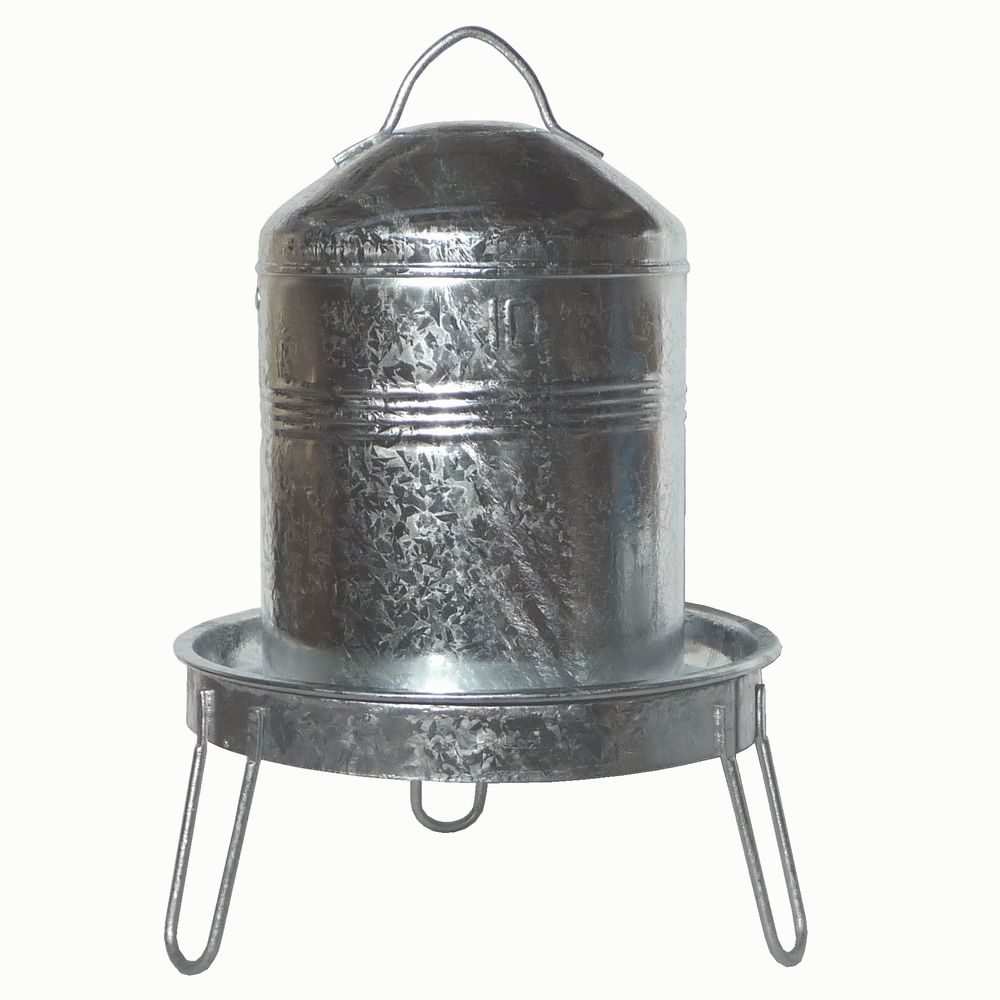

Why winter water matters
University of Maryland Extension notes that birds drink less in winter but still need water to survive, that birds cannot break through ice to reach water, and that you should check or replace water several times a day so it is not frozen. University of Minnesota Extension stresses free access to fresh, clean water in cold weather.
Water also drives laying and feed intake. A hen that cannot drink stops eating, and laying drops quickly. If your hens slow down in winter, check water before you blame short days; see why quail stop laying.
Your options at a glance
| Method | Works down to | Running cost | Best for | Drawbacks |
|---|---|---|---|---|
| Swap drinkers 2–3 times a day | Any temperature | None | Small flocks, keepers at home | Labor; ice overnight |
| Heated base under a fount | Often rated to about -13°F to -20°F | About $1.60–$3.70 a month (12–28 W) | Most backyard setups | Needs safe power |
| Heated poultry fount | Usually rated by maker | Varies by wattage | Simple setups | Some are too large or deep for quail |
| Heated bowl or heater cable in an open dish | Varies | Low to moderate | Ground pens | Gets dirty fast; drowning risk for chicks |
| Heated nipple or cup line | Varies | Higher for long lines | Cage systems | Whole line plus tank need heat |
| Insulated or thermal drinker | Delays freezing only | None | Mild-freeze areas | Still freezes in hard cold |
| Move drinkers indoors at night | Any | None | Quail in a garage or shed | Birds need water at first light |
Product ratings and wattages come from heated drinker listings reviewed by quail supplier Quailz, which cites a 28-watt 12-inch base rated to -20°F and a 12-watt, 24-volt 8-inch base rated to -13°F. Always check your own product’s rating.
Option 1: Swap drinkers
The cheapest method and the one many experienced keepers use for small flocks.
- Buy two or three identical drinkers. Keep the spares indoors.
- Fill a warm spare each morning and swap it for the frozen one.
- Swap again at midday and before dark if it stays below freezing.
- Thaw frozen drinkers indoors, then clean and refill them.
- Give fresh water at first light. Birds drink heavily after a long night.
The Lemongrass Lane quail blog, written by a keeper in a cold climate, describes exactly this routine on a -4°F wind-chill morning: birds flock to fresh drinkers in the morning, and the keeper simply rotates non-frozen drinkers through the day.
Option 2: Heated base under a drinker
A heated base, or heated plate, sits under a fount and keeps the water just above freezing.
- Match the base to the drinker. A small quail fount on a big base wastes power; a big fount on a small base may still freeze.
- Use a metal fount on a metal-friendly base, or plastic only if the base allows it. Follow the maker’s instructions.
- Raise the drinker on a block if needed so bedding does not get kicked into the water.
- Test it on a cool night in fall, before the first hard freeze.
- Keep checking daily. A heater can fail or a cord can be chewed.
What it costs to run
| Heater wattage | kWh per month (24 h a day) | Cost per month at 18.16¢/kWh |
|---|---|---|
| 12 W | About 8.8 kWh | About $1.60 |
| 28 W | About 20.4 kWh | About $3.70 |
| 60 W | About 43.8 kWh | About $7.95 |
| 100 W | About 73 kWh | About $13.25 |
Electricity price: the US average residential rate of 18.16 cents per kWh that the Energy Information Administration reported for August 2026. Many bases cycle on only when needed, so real costs are often lower.
Option 3: Heated bowls and cables
Open dishes are easy to heat and hard to freeze solid, but they get dirty quickly.
- Use a shallow dish and add clean pebbles or marbles for chicks, so they cannot drown.
- Raise the dish a little off the floor and change water daily.
- Cover part of the dish, as Minnesota Extension suggests for heated dog dishes, so birds cannot stand in the water.
Option 4: Nipple and cup lines
Nipple and cup drinkers keep water clean, but their narrow outlets freeze first, often before the tank. The Barnyard We Share quail blog notes that small outlets freeze sooner, that insulation only slows freezing, and that spares are the backup.
Your realistic choices for nipple systems:
- Heat the tank and the line, using heater cable rated for the purpose along any pipe.
- Switch to a heated fount for winter and refit the nipples in spring.
- Bring the reservoir indoors at night and reconnect in the morning.
- Move the cage into a garage or shed where it stays above freezing.
A heated plate under a bucket does not keep a pipe running along the back of a cage from freezing.
Electrical safety
The National Fire Protection Association’s coop safety tips are short and worth following:
- Do not use extension cords in the coop.
- Be careful with electrically heated poultry waterers; make sure the cord and plug are properly grounded.
- Check all wiring for damage, and keep cords where birds and rodents cannot chew them.
- Choose electrical equipment made for agricultural or commercial use, and outlets and boxes designed to keep out dust and water.
- Have electrical work done by a qualified electrician.
Also keep heaters away from bedding, and use a GFCI-protected outdoor outlet. Minnesota Extension advises keeping all wires away from poultry, water and flammable litter, and keeping a second waterer on hand in case one freezes or stops working. Fire risks from heat lamps are covered in do quail need heat in winter.
Myths and things to avoid
| Idea | Verdict | Why |
|---|---|---|
| Add salt to stop freezing | Do not | It takes far more salt than is safe for birds to drink |
| Add apple cider vinegar | Not a fix | It does not stop freezing at normal amounts |
| Break the ice and leave it | Not enough | It refreezes quickly; birds may not reach water |
| Use hot water | Helps briefly | Warm, not hot, water buys a little time; it still freezes |
| Leave a heat lamp over the drinker | Avoid | Fire risk; see NFPA guidance |
Winter water checklist
- Set up winter drinkers in early fall, before the first freeze.
- Keep at least one spare drinker indoors.
- Check water at first light, midday and before dark.
- Clean drinkers at least every few days; heated water grows algae and bacteria faster.
- Place drinkers out of wind and away from bedding.
- Watch birds drink after you refill; quiet, fluffed birds may be dehydrated.
- Have a plan for power cuts (below).
Power cuts and storms
- Keep spare drinkers full indoors so you can swap them in.
- Bring small cages into a garage or shed in a long outage.
- Do not use fuel-burning heaters inside closed coops; carbon monoxide and fire risks are real.
- Check birds more often, and keep them dry and out of drafts.
For the rest of winter care, see our seasonal quail care calendar and quail housing basics.
Troubleshooting
| Problem | Likely cause | Fix |
|---|---|---|
| Fount frozen despite heated base | Base too small, wind or a drafty spot | Match base to fount; shelter from wind |
| Nipples frozen, tank fine | Narrow outlets freeze first | Heat the line, or switch to a heated fount for winter |
| Water dirty within hours | Open dish at floor level | Raise it; use a fount |
| Base not warming | Failed heater or tripped GFCI | Check outlet; keep a spare drinker |
| Hens laying less | Short days or water gaps | Fix water first, then add light |
| Wet bedding around drinker | Spills from heated dish | Raise drinker; use a tray |
Frequently asked questions
How do I keep my quail water from freezing?
Swap drinkers several times a day or use a heated base, bowl or fount made for poultry, installed safely.
Do quail need water at night?
They drink little in the dark, but water must be ready at first light.
Can quail eat snow instead of drinking?
Snow is not a reliable water source. Provide liquid water.
Do heated waterers cost a lot to run?
A 28-watt base costs about $3.70 a month if it runs around the clock at the US average power price.
Are nipple drinkers good in winter?
They freeze first. Heat the whole line or switch to a heated fount for winter.
Can I use a heat lamp to keep water from freezing?
It is a fire risk. Use a heated base or fount made for poultry instead.
Sources
- University of Maryland Extension. Winter Weather and Small Flocks: What You Need to Know (FS-1133).
- University of Minnesota Extension. Caring for chickens in cold weather.
- National Fire Protection Association. Chicken Coop Safety Tips.
- US Energy Information Administration. Electric Power Monthly, Table 5.6.A.
- Quailz. Sort out winter water before the first hard freeze.
- The Barnyard We Share. How to prevent quail waterers from freezing.
- Lemongrass Lane. Frozen drinkers.