
Quick answer: To make a quail coop predator proof, cover every opening, top and bottom, with sturdy welded hardware cloth rather than chicken wire, and keep gaps no bigger than 1/4 inch. Bury wire at least 12 inches deep and turn it outward about 6 inches (or use a solid floor), put a solid or mesh roof on every run, fasten doors with latches a raccoon cannot open, and keep feed and dead birds out of the pen. Quail are small enough that raccoons can reach through wide mesh and weasels can squeeze through holes as small as 1/4 inch, so small mesh matters more for quail than for chickens.
A quail coop predator proof enough for chickens may not be safe for quail. Coturnix are small, sleep on the floor and panic easily, so a raccoon at the wire or a rat in the run can kill birds even when it cannot carry one off. This guide uses Cooperative Extension, University of Maryland Extension and Virginia Cooperative Extension advice to build a quail setup that keeps out diggers, climbers, reachers and flyers.
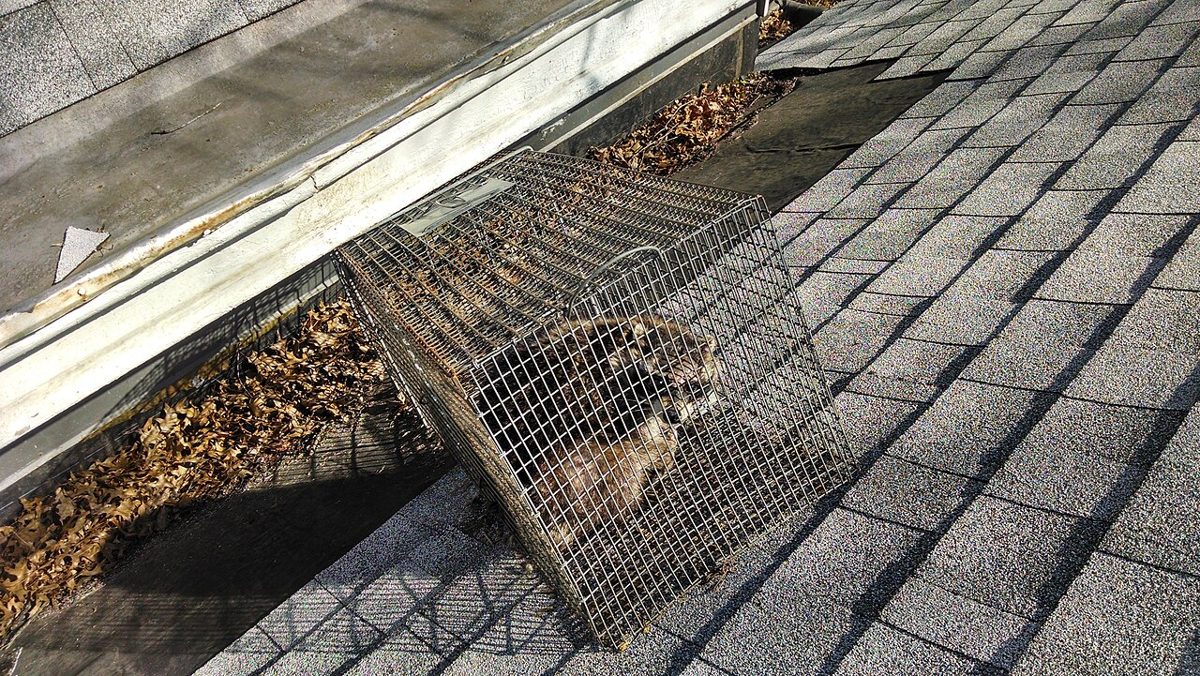

Know what you are defending against
Cooperative Extension’s predator guide lists dogs, coyotes, bobcats, house cats, foxes, raccoons, weasels, skunks, opossums, snakes (especially rat snakes), hawks and owls as common poultry predators. Each gets in differently.
| Predator | How it attacks | What stops it |
|---|---|---|
| Raccoon | Climbs, opens simple latches, reaches through wire; Extension says raccoons sometimes pull a bird’s head through the wire | Small welded mesh, a second layer or gap inside the wire, locking latches |
| Weasel | Extension says least weasels squeeze through holes as small as 1/4 inch and typically get through chicken wire | 1/4-inch hardware cloth, no gaps |
| Rat | Bites young birds, takes eggs; Extension links bites on hocks of young birds to rats | Small mesh, buried wire, no spilled feed |
| Snake | Eats eggs and chicks whole | Gaps 1/4 inch or smaller |
| Dog, coyote, fox | Digs under or pushes through weak fencing | Buried wire, strong frame |
| Hawk, owl | Strikes from above; hawks by day, owls by night | Covered run; netting or mesh roof |
Extension also notes that hawks and owls are federally protected, so you may not shoot, trap or kill them. The fix is a roof.
Mesh: why hardware cloth beats chicken wire
Chicken wire keeps chickens in; it does not keep predators out. Extension’s note that least weasels typically get through chicken wire says it all, and raccoons can tear thin hexagonal wire. For quail we use welded hardware cloth, and the University of Maryland Extension advises limiting gaps larger than 1/4 inch where birds roost. Quail roost on the floor, so in practice that means the whole pen.
| Material | Use it for quail? | Why |
|---|---|---|
| Chicken wire (hexagonal) | No, except as inner netting | Weasels get through; raccoons tear it |
| 1/2-inch welded hardware cloth | Run walls where weasels and snakes are rare | Strong; still allows a weasel or small snake |
| 1/4-inch welded hardware cloth | Floors, low walls, night pens, chick areas | Matches the 1/4-inch gap guidance |
| Solid wood or panel | Night shelter, one or two walls | Blocks reaching and wind |
Fix mesh with screws and washers or heavy staples on the inside of the frame, so a raccoon pulling from outside is pulling against the wood.
Stop diggers
Virginia Cooperative Extension recommends burying the wire along the run at least 12 inches deep and toeing it outward about 6 inches, because predators dig at the base of a fence and run into more wire. Maryland Extension suggests a trench 12 inches to 1.5 feet deep around the whole coop with hardware cloth buried in it, and Cooperative Extension also says to bury hardware cloth at least 12 inches. For raised hutches or cages, a wire floor of hardware cloth does the same job. Virginia Tech adds that a concrete floor, or starting the walls with one or two courses of concrete block, stops rodents, snakes and predators from digging under.
Stop reachers and climbers
Raccoons are the predator quail keepers lose the most sleep over. Because quail sit on the floor next to the wire, a raccoon does not need to get in to kill. Two keeper practices help: a second layer of mesh a couple of inches inside the first on the lower walls, or a solid board along the bottom 12 inches, so paws cannot reach the birds. Neither appears in the Extension pages we used; they follow from Extension’s note that raccoons pull heads through wire.
Latches matter too. Use two-step latches, carabiners or padlocks on every door, including small cleaning doors and egg hatches.
Stop flyers
Cover every outside run. Maryland Extension and Virginia Tech both recommend mesh wire or netting over runs to stop hawks and owls. For quail, a roof also prevents escapes, because startled quail fly straight up. A soft netting ceiling under a rigid roof, or a low solid roof, reduces head injuries when they do. Our quail housing guide compares hutch, cage and aviary designs.
Daily habits that keep predators away
- Lock up at dusk. Cooperative Extension recommends a secure, locked place for birds at night; Virginia Tech notes most predation happens at night.
- No food left out. Extension advises keeping the area clean with no food left in the run, and removing sick, dying and dead birds immediately.
- Clear cover nearby. Maryland Extension suggests keeping the area around the coop mowed and clear.
- Skip lights and noise makers. Extension says lighting is not an effective deterrent for laying flocks because it disrupts laying, and predators get used to noises.
- Walk the perimeter weekly. Look for digging, bent mesh, loose screws and gaps where boards have shrunk.
Quail coop predator-proof checklist
- Hardware cloth on all openings; 1/4-inch on floors and the lower walls
- No gaps over 1/4 inch at doors, roof edges and corners
- Wire buried 12 inches and toed out 6 inches, or a wire or solid floor
- Mesh or solid roof on every run
- Locking, two-step latches on every door
- A solid lower panel or second mesh layer against reaching
- Feed stored in metal bins; no spilled feed
- Pen checked and secured every evening
Signs you have a predator problem
Extension’s guide reads the scene for you. Missing adult birds with no other sign suggest a dog, coyote, fox, bobcat, hawk or owl. Birds killed with heads missing point to a raccoon, hawk or owl. Missing chicks suggest a snake, rat, raccoon or cat. To identify a mammal, Extension suggests spreading fine sand or talc around the pen and checking for tracks the next day. If birds are dying with no visible damage, work through our guide to why quail die suddenly.
Frequently asked questions
Is chicken wire good enough for quail?
No. Cooperative Extension says least weasels typically get through chicken wire, and raccoons can tear it. Use welded hardware cloth.
What size hardware cloth for a quail coop?
We use 1/4-inch for floors, lower walls and night pens, following Maryland Extension’s advice to limit gaps over 1/4 inch. 1/2-inch is stronger and fine for upper walls where weasels and small snakes are not a problem.
How deep should I bury wire around a quail run?
At least 12 inches, turned outward about 6 inches at the bottom, according to Virginia Cooperative Extension.
Do raccoons kill quail through the wire?
Yes. Cooperative Extension says raccoons sometimes pull a bird’s head through the wire. Small mesh and a barrier inside the lower wire prevent it.
Do I need a roof on a quail run?
Yes. It stops hawks and owls and keeps quail, which fly straight up when startled, from escaping. Check space needs in how many quail per square foot and local coop rules in is it legal to keep quail.
Sources
- Cooperative Extension. Predator Management for Small and Backyard Poultry Flocks.
- University of Maryland Extension. Prevention of Predation.
- Virginia Cooperative Extension. Small Scale Poultry Housing.