
Quick answer: A quail respiratory infection shows up as sneezing, wet or rattly breathing, gaping, foamy or watery eyes, nasal discharge, swollen faces and fluffed, quiet birds. In coturnix the usual causes are ammonia, dust and chilling, mycoplasma and other bacteria, and Aspergillus mold from damp bedding. Quail bronchitis, an adenovirus that can kill up to 80% of chicks under 2 weeks, mainly hits bobwhite; Extension says coturnix are resistant. Isolate sick birds, raise brooder heat 3–5°F, fix ventilation and litter, and get a lab diagnosis. Antibiotics do not work on viruses and now need a vet’s prescription. Report sudden multiple deaths to your state veterinarian.
A quail respiratory infection can go from one sneezing chick to a brooder full of sick birds in days. Quail are small, so breathing problems tire them fast, and several very different causes look the same from the outside. This guide explains the main causes in coturnix (and in bobwhite, if you keep both), how to tell them apart, what to do in the first 24 hours, when to call a lab, and how to set up brooders and pens to prevent the next outbreak.
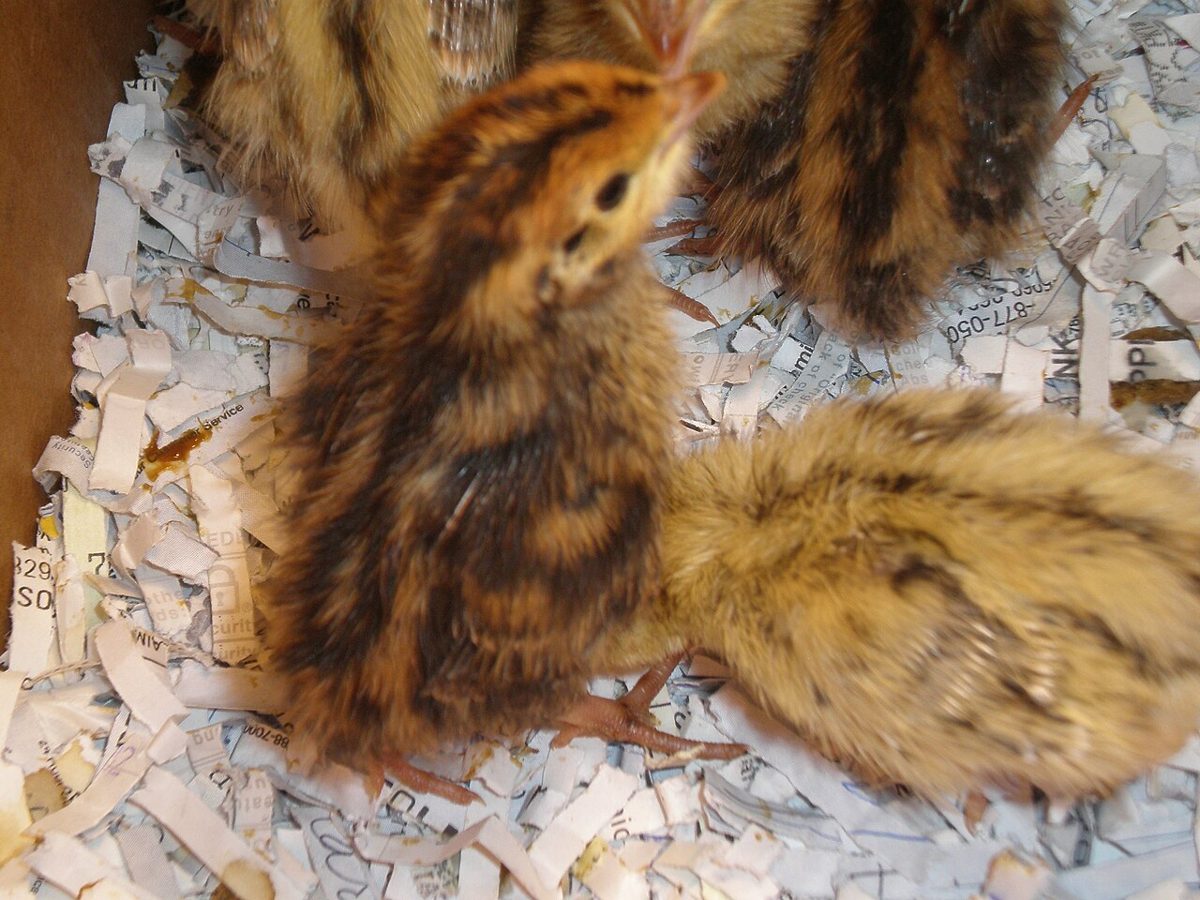

Signs of a respiratory problem
| Sign | What to look and listen for |
|---|---|
| Sneezing or coughing | Small clicks or sneezes, often at night when the pen is quiet |
| Rales | Wet, gurgling or rattly breathing; hold the bird near your ear |
| Gaping or tail bobbing | Breathing with the beak open, tail pumping with each breath |
| Eye changes | Watery or foamy eyes, swollen lids, eyes kept closed |
| Nasal discharge | Wet or crusty nostrils |
| Swollen face or sinuses | Puffy area below or in front of the eye |
| General illness | Fluffed, sleepy, eating less, fewer eggs |
| Deaths | Sudden rise in deaths, especially in chicks |
Cooperative Extension’s poultry respiratory disease guide lists rales, sneezing, gasping, eye discharge, eye inflammation and loose, watery droppings as signs of quail bronchitis in bobwhite quail.
The main causes in quail
| Cause | Type | Who gets it | Key clues |
|---|---|---|---|
| Quail bronchitis | Virus (avian adenovirus) | Mainly bobwhite under 2 months; Extension says coturnix are resistant | Fast spread, high deaths in young chicks |
| Mycoplasma | Bacteria-like organism | All ages | Slow, chronic sinus swelling and foamy eyes; can pass through the egg |
| Aspergillosis (“brooder pneumonia”) | Mold | Mostly chicks 7–40 days | Labored breathing, no sneezing; moldy bedding or feed |
| Ammonia and dust | Environment | All ages | Strong smell at bird level, watery eyes, worse in closed brooders |
| Avian influenza | Virus | All poultry | Sudden deaths, swelling, purple discoloration; reportable |
| Other bacterial infections | Bacteria | All ages | Often secondary to the above |
Quail bronchitis (mainly a bobwhite problem)
If you keep only coturnix, quail bronchitis is less likely than the other causes on this page. Cooperative Extension’s quail bronchitis fact sheet, by Dr. Jacquie Jacob of the University of Kentucky, says the disease affects bobwhite quail but that Japanese coturnix quail are resistant. It matters if you raise bobwhite, buy mixed game birds, or keep coturnix near them.
The Merck Veterinary Manual describes quail bronchitis as a highly contagious, often fatal respiratory disease caused by an avian adenovirus, mostly in bobwhite quail under 2 months old, though it also occurs in other quail species. Merck’s key points:
- Rapid onset with high sickness and death rates. Mortality may reach 80% in birds under 2 weeks old, but is usually under 25% in birds over 4 weeks.
- Spreads fast through mixed-age units, probably by air and through droppings.
- Chickens and other birds can carry the virus without showing signs.
- No specific treatment and no effective vaccine. If biosecurity is strict, the disease often runs its course.
- Supportive steps: raise the brooder temperature by 3–5°F (1.5–3°C), prevent overcrowding, and keep older and younger birds and other species apart.
Extension adds that an infected flock stays infected for the rest of the breeding season, that secondary mycoplasma or bacterial infections are common, and that breaking the cycle may mean depopulating, cleaning and leaving facilities empty for 30 to 90 days.
Mycoplasma
Mycoplasma gallisepticum (MG) causes chronic respiratory disease in poultry. Cooperative Extension notes sticky nasal discharge, foamy eyes, swollen sinuses, rales and sneezing, and poor growth and laying. MG can pass from hen to embryo through the egg, which is why NPIP testing of breeder flocks matters. Extension also lists quail among the birds Mycoplasma meleagridis has been shown to infect. Recovered birds can remain carriers. See NPIP certification for quail for what flock testing covers.
Aspergillosis
Merck calls aspergillosis, or brooder pneumonia, an untreatable fungal disease that usually affects the lungs of young poultry. Severe outbreaks usually hit birds 7 to 40 days old. Birds inhale mold spores from contaminated bedding, feed or hatchers. Merck warns that bedding that gets wet and then dries creates a major risk, because moisture lets mold sporulate and drying releases the spores. Birds struggle to breathe but often do not sneeze.
Ammonia, dust and drafts
Ammonia from wet droppings irritates eyes and airways and makes infections more likely. If you can smell ammonia standing up, it is worse at bird level. Cold drafts and chilled chicks also open the door to infection. See quail brooder temperature by week for the right heat.
Avian influenza: when to call the state vet
Highly pathogenic avian influenza affects all poultry, including quail. Sudden deaths, swelling of the head, purple discoloration, and a sharp drop in eating or laying are warning signs. Report sudden or multiple deaths to your state veterinarian or the USDA hotline at 1-866-536-7593. Our why are my quail dying guide explains reporting.
What to do in the first 24 hours
- Isolate sick birds in a warm, draft-free hospital cage away from the flock, ideally in a different room.
- Raise the heat. For chicks, Merck suggests raising brooder temperature 3–5°F when quail bronchitis is suspected, and a little extra warmth helps chilled chicks with any respiratory problem. Adults need a warm, draft-free spot.
- Check the air. Smell for ammonia, look for mold on bedding and feed, and look for damp litter. Replace bedding and feed if in doubt.
- Improve ventilation without drafts. Fresh air should move above the birds, not blow on them.
- Keep water and feed close so sick birds do not have to search.
- Stop all movement of birds in and out, and do not share equipment with other flocks.
- Get a diagnosis. Call your state veterinary diagnostic lab. Send a fresh dead bird, chilled not frozen, or ask about live-bird swabs.
- Care for the healthy flock last each day, or use separate shoes and gloves.
Treatment: what helps and what does not
- Viruses (quail bronchitis, avian influenza): antibiotics do not work. Cooperative Extension stresses that antibiotics do not work against viruses. Care is supportive.
- Mycoplasma and secondary bacteria: a vet may prescribe an antibiotic. Since June 11, 2023, antibiotics such as tylosin, tetracycline and oxytetracycline moved from over-the-counter to prescription under FDA Guidance #263, according to the Indiana Board of Animal Health’s FAQ.
- Aspergillosis: Merck calls it untreatable in poultry; remove the mold source and protect the rest of the flock.
- Environmental causes: fix ammonia, dust and drafts and birds often recover.
Ask your vet for egg and meat withdrawal times for any drug.
Prevention plan
- Buy from NPIP-tested breeders and hatch eggs from clean flocks.
- Quarantine new birds for 30 days, as USDA’s Defend the Flock workbook advises, and do not add birds that showed respiratory signs even if they recover; see introducing new quail.
- Brood each age group separately. Merck stresses keeping older and younger birds apart for quail bronchitis.
- Keep quail away from chickens and wild birds, which can carry the quail bronchitis virus. See can quail live with chickens.
- Keep bedding dry and mold-free. Replace wet bedding at once, and never use moldy shavings or feed.
- Ventilate. Aim for no ammonia smell and no drafts at bird level.
- Clean between hatches, including the incubator and hatcher, which Merck lists as possible mold sources.
- Do not crowd birds; crowding raises dust, ammonia and stress.
Troubleshooting
| What you see | Most likely | Next step |
|---|---|---|
| Many chicks under 3 weeks sick and dying fast | Quail bronchitis (bobwhite), aspergillosis or chilling | Isolate, raise heat 3–5°F, call a lab |
| One adult with a swollen face and foamy eye | Mycoplasma or sinus infection | Isolate; vet diagnosis |
| Chicks gasping, no sneezing, moldy shavings | Aspergillosis | Remove bedding and feed; lab confirmation |
| Watery eyes, strong ammonia smell | Ammonia | Change bedding, improve ventilation |
| Sudden deaths across ages, swelling, purple skin | Possible avian influenza | Report to the state vet or USDA now |
| Sneezing after a cold, damp spell | Chilling plus infection | Warmth, dry bedding, watch closely |
Frequently asked questions
Why is my quail sneezing?
Dust, ammonia, chilling or an infection such as mycoplasma. One sneeze is not an emergency; repeated sneezing, rattly breathing or eye discharge needs attention.
Can quail respiratory infections spread to chickens?
Some can. Chickens can carry the quail bronchitis virus without signs, and mycoplasma affects many poultry species.
What antibiotic is used for quail respiratory infection?
Only a vet can decide. Most poultry antibiotics now need a prescription, and they do not work on viruses.
Do coturnix get quail bronchitis?
Cooperative Extension says Japanese coturnix are resistant; the disease mainly affects bobwhite. Merck reports mortality up to 80% in bobwhite chicks under 2 weeks and usually under 25% in birds over 4 weeks.
Should I cull birds with respiratory disease?
Birds that recover from mycoplasma can stay carriers, so many keepers cull them rather than breed from them. Discuss it with a vet.
Can people catch quail respiratory diseases?
Most do not infect people, but avian influenza can. Wear gloves and a mask when handling sick birds and report suspected cases.
Sources
- Merck Veterinary Manual. Quail Bronchitis.
- Merck Veterinary Manual. Aspergillosis in Poultry.
- Cooperative Extension. Diseases of the Poultry Respiratory System.
- Cooperative Extension. Mycoplasmas in Poultry.
- Jacob, J. Cooperative Extension. Quail Bronchitis.
- Indiana Board of Animal Health. Frequently Asked Questions About GFI #263.
- USDA APHIS Defend the Flock. Biosecurity Workbook.