
Quick answer: Quail should not live with chickens. Chickens can carry diseases with few signs that hit quail much harder: Merck Veterinary Manual says ulcerative enteritis kills close to 100% of affected bobwhite quail but rarely more than 10% of chickens, and recovered birds stay lifelong carriers. Mycoplasma also spreads between poultry species and can leave flocks permanently infected. Add the size difference, different feed needs and trampling risk, and the safe answer is separate housing, separate tools and quail care first, chickens second.
Can quail live with chickens? It is tempting to put a few quail in the corner of an existing coop. It saves building a second pen and the birds look like they get along at first. This guide explains why poultry vets and Extension specialists advise against it, what can go wrong, and how to keep both on one property safely.
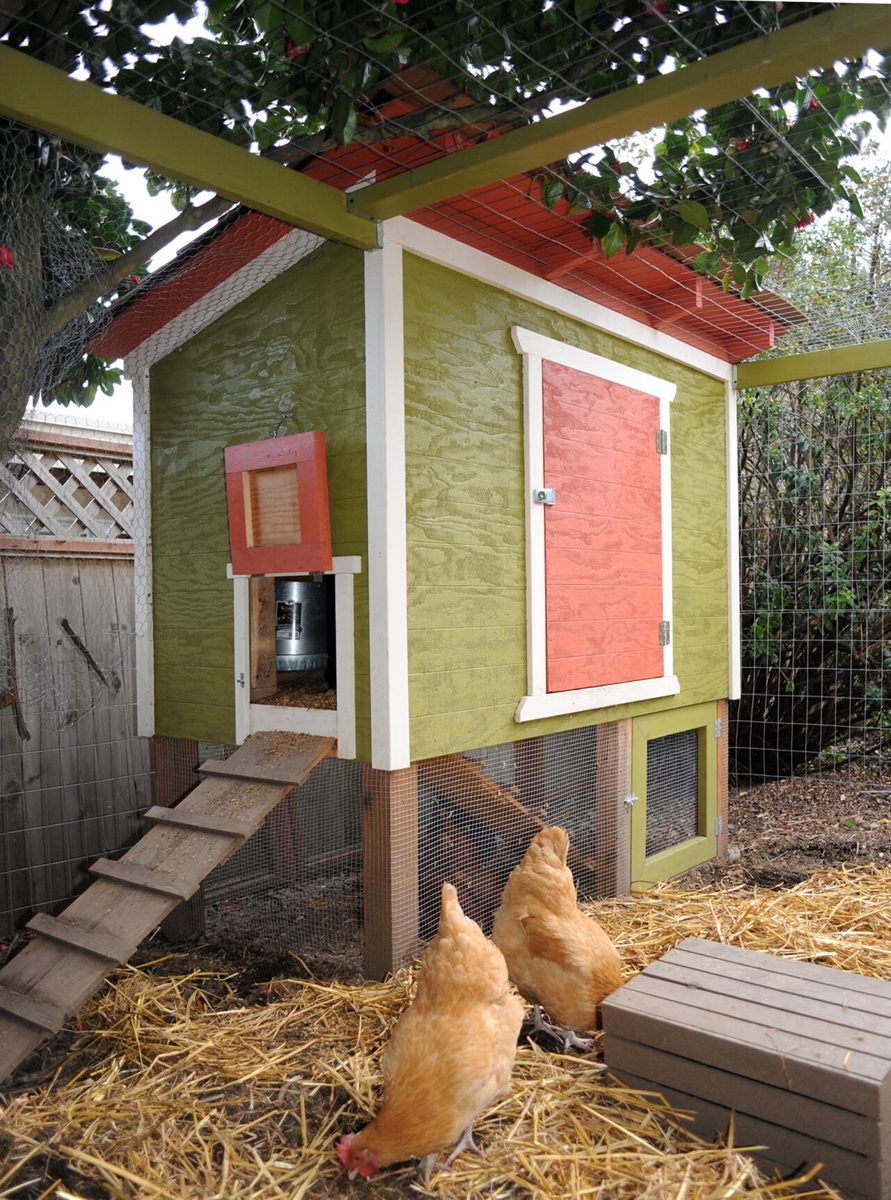

The short answer: separate pens
| Risk | What happens | Source |
|---|---|---|
| Disease carried by chickens | Chickens may show mild or no signs while quail die | Merck Veterinary Manual |
| Lifelong carriers | Birds that recover from ulcerative enteritis carry it for life | Merck Veterinary Manual |
| Mycoplasma | Spreads through droppings, feathers, dust and people; infected flocks stay infected | Cooperative Extension; Florida Dept. of Agriculture |
| Size | Hens weigh many times more than a quail and can trample or peck them | General husbandry |
| Feed | Quail need more protein than chicken layer feed provides | NSW DPI; Extension |
| Housing | Chickens roost and need nest boxes; quail live on the floor | NC State; NSW DPI |
Disease: the main reason
Ulcerative enteritis (“quail disease”). Merck Veterinary Manual describes ulcerative enteritis as a bacterial disease that mainly affects young quail. In bobwhite quail, mortality approaches 100% within 2–3 days, while in chickens the disease is milder and mortality rarely exceeds 10%. Japanese quail can also get it. Birds that recover remain lifelong carriers, and flies feeding on contaminated droppings can spread it. A chicken that looks healthy can therefore bring it into a quail pen.
Mycoplasma. Cooperative Extension lists mycoplasma infections in chickens, turkeys and other birds, and notes that one species has been shown to infect quail. The Florida Department of Agriculture’s mycoplasma booklet explains that infected birds can spread it before they show signs, that it moves on droppings, feathers, dust, tools and people, and that an infected flock stays infected even when birds look well.
Biosecurity advice for quail. Mississippi State Extension’s ulcerative enteritis page advises not bringing new birds onto the premises, cleaning equipment before taking it near quail, and wearing clean clothes and disinfected footwear, and stresses that most outbreaks are spread by the caretaker. Our quail diseases guide covers signs to watch for.
Size, behavior and feed
Even without disease, the two birds want different things. Chickens roost on perches and lay in nest boxes; quail live on the floor and lay wherever they are. Chicken layer feed is lower in protein than quail need, which our can quail eat chicken feed guide explains. A hen can easily injure a 120-gram quail, especially at the feeder. Quail also flush straight up when startled; the RSPCA’s quail housing guidance warns this vertical flight can cause serious head injuries.
How to keep both on one property
- Separate housing. Give quail their own hutch or pen; our quail housing guide has options.
- Distance. Do not share a run or let chicken droppings reach the quail area.
- Care for quail first. Feed and clean the quail before the chickens each day.
- Separate tools and boots. Keep a scoop, feeder and pair of boots for each pen, or clean them between.
- Do not share water. Fecal-oral diseases spread through shared drinkers.
- Quarantine new birds. Keep new chickens or quail apart before adding them to any flock.
- Control flies and rodents. Both can carry disease between pens.
What if they are already together?
Move the quail out now, into clean housing. Watch them for a few weeks for lethargy, ruffled feathers, humped posture or watery droppings, which Merck lists as signs of ulcerative enteritis. If birds start dying, see why are my quail dying and ask a vet or your state diagnostic lab about a necropsy.
Frequently asked questions
Can quail and chickens free-range together?
Not safely. Shared ground and droppings are how carried diseases spread, and quail are easy prey.
Can quail eat the same feed as chickens?
Not chicken layer feed as their only food; it is too low in protein. A game bird or turkey feed suits quail.
Can I put quail in an empty part of my chicken coop?
Only if it is fully separate, with no shared air, droppings or water. A separate hutch is easier.
Do chickens kill quail?
They can. Chickens are much larger and may peck or trample quail, especially around food.
Is it safe if my chickens look healthy?
Not necessarily. Merck notes chickens and recovered birds can carry disease without obvious signs.
Sources
- Merck Veterinary Manual. Ulcerative Enteritis in Poultry.
- Mississippi State University Extension. Ulcerative Enteritis in Quail.
- Cooperative Extension. Mycoplasmas in Poultry.
- Florida Department of Agriculture and Consumer Services. Mycoplasma.
- Randall, M. and Bolla, G. Raising Japanese Quail. NSW Department of Primary Industries Primefact, republished by The Poultry Site.
- RSPCA Research Animals Department. Quail: Good practice for housing and care. 4th edition, 2011.
- NC State Extension. Keeping Garden Chickens in North Carolina.